Marketing solutions
 Marketing solutions
Digital Marketing for D2C Brands: A Practical Playbook for Profitable Growth
Selling directly to customers gives a brand something marketplaces never will: ownership of the customer relationship, the data behind every purchase and the full margin on every sale. But that ownership comes with a catch. Nobody sends you traffic for free, so every rupee you spend to win a customer has to earn its way back.
This guide walks through how successful D2C brands think about marketing: where they are in their journey, which channels do the heavy lifting, which numbers really matter and how to stop treating SEO, ads, email and site optimisation as separate projects.
Have a Project to Discuss?
Our Growth Expert will contact you within 12 hours.
The basics
What is D2C Digital Marketing?
D2C (direct-to-consumer) digital marketing is everything a brand does to attract, convert and retain shoppers who buy from its own website rather than through a retailer or marketplace. In practice, that means a mix of the channels listed here. What ties them together is the yardstick: D2C marketing is judged less by clicks or impressions and more by acquisition cost, repeat purchase behaviour and customer lifetime value.
- Paid social and search advertising
- Email, SMS and WhatsApp messaging
- Search engine optimisation
- Influencer and creator collaborations
- Shopping campaigns
- Conversion rate optimisation (CRO)
Marketplace vs. D2C
Marketplace vs. Your Own Store: Why the Marketing is Different
That trade-off explains why retention and first-party data sit at the core of D2C strategy. If a customer buys once and never hears from you again, you’ve effectively rented them from an ad platform.
On a marketplace
On Amazon, Flipkart or Nykaa, the platform owns the shopper. It supplies the traffic, controls the experience and keeps the customer’s information.
On your own store
On your own website, you have to build demand yourself. In exchange, you keep the margin, you learn who your buyers are and you can market to them again without paying for the privilege.
Growth stages
Where Is Your Brand Right Now?
Every D2C business hits its own ceiling, and the right priorities depend on the stage you’re at.
Get a free auditJust launched
The goal is a store that converts from the first visit, a search foundation that compounds over time and paid campaigns that uncover your first profitable audiences. Validate your positioning before you pour money into scale.
Selling mainly on marketplaces
Your task is to pull demand towards your own site without abandoning the marketplace revenue that pays the bills. Marketplace advertising can stay in the mix as a supporting channel while you build direct sales.
Scaling, but costs are rising
When revenue is steady but acquisition keeps getting more expensive, the answer is usually a healthier channel mix, broader creative testing and tighter attribution, so growth doesn’t quietly eat your contribution margin.
Subscription or replenishment products
For skincare, supplements, coffee or pet food, the second order matters more than the first. Lifecycle messaging across email, SMS and WhatsApp is where the biggest gains sit.
In their words
Client Speak
Consumer brands on what working with us feels like.
- Client revenue scaled
- ₹350Cr+
- Client retention since day one
- 100%
- Customers served
- 100+
- In-house specialists
- 50+
The entire staff at Web Spider Solutions has been phenomenal. They are quick with their replies and incredibly helpful, and every monthly report tells us exactly where the next rupee should go.
Webspider Solutions PPC service is light years ahead of the competition because of their intelligent, specialized and courteous account managers.
The channel mix
The Channels That Move the Needle
No single channel builds a D2C brand on its own. Search captures shoppers who are already looking, paid social creates demand, retention brings buyers back and your website decides how much of that effort becomes revenue. Here’s how each piece contributes.
Ecommerce SEO
Organic search brings in high-intent buyers without a per-click invoice. Strong ecommerce SEO means optimised category, collection and product pages, technical health, structured data and content that answers what shoppers actually search for. It takes time, but the returns don’t shrink when ad costs rise.
Meta and Social Advertising
Instagram and Facebook remain the main discovery engines for many consumer categories. Combine prospecting with retargeting, keep a steady flow of fresh creative, and make scaling decisions using contribution margin instead of relying only on the platform’s own ROAS figure. See our overview of social media advertising for more.
Google Shopping and Search
Clean product feeds, Performance Max and brand-term campaigns capture shoppers who are ready to buy. Combine them with wider PPC management to cover non-brand queries.
Email, SMS and WhatsApp
Welcome series, abandoned-cart alerts, post-purchase follow-ups, replenishment nudges and win-back campaigns turn one-time buyers into regulars. These flows are usually the cheapest revenue a D2C brand can add.
Influencer and Creator Marketing
Creators deliver two things at once: audience reach and content you can reuse in ads. Tie them to performance-based affiliate programmes so you pay for sales, not just posts.
Conversion Rate Optimisation
Testing product pages, carts and checkout flows raises the value of every visitor. A modest lift in conversion means the same ad budget produces more orders.
Store Development and Analytics
A fast, mobile-first store, whether on Shopify or another platform, is the foundation everything else stands on. Add careful tracking (GA4, server-side events, cohort reports) to see your real CAC, payback period and repeat rate, not just what each ad platform claims.
Content Marketing
Buying guides, ingredient explainers and comparison pages build trust before the first purchase and give your ads and emails substance worth sharing.
Metrics that matter
Measure What Pays the Bills
Cheap clicks don’t equal a healthy business. These are the metrics that separate profitable growth from expensive growth. Platform ROAS is still handy for day-to-day campaign tuning. It just shouldn’t be the number that decides whether your business is healthy.
New-customer CAC
What it costs to win someone who has never bought from you.
First-order margin
Whether that first sale covers its own acquisition cost or depends on repeat orders.
Payback period
How quickly a customer’s purchases recoup what you spent to acquire them.
LTV
What a customer is worth over time, which sets your ceiling for acquisition spend.
MER (marketing efficiency ratio)
Total revenue divided by total marketing spend, a blended view that isn’t distorted by any single platform.
Data and creative
Data and Creative: Your Two Real Edges
Reason 01
Own Your Data, Simplify Your Attribution
As third-party tracking weakens, first-party data becomes a real competitive edge. Brands that invest in server-side tracking, clean conversion signals and blended measurement can make decisions without relying on any one platform’s version of the truth. Your customer list, purchase history and on-site behaviour are assets no ad network can take away.
Get a free auditReason 02
Creative Is the New Targeting
On paid social especially, the creative itself does much of the targeting: the hook, the format and the offer determine who stops scrolling. Set up a structured testing cycle, rotating hooks, formats and offers, then feed the winners back into landing pages and emails so a single insight improves the whole funnel.
Get a free audit
One system
Why a Combined Approach Wins
When SEO, paid media, retention and CRO are run in silos, you get gaps between channels, double-counted conversions and reports that contradict each other. Running them as one system against one plan brings clear advantages.
- Lower blended CAC as organic search and repeat buyers account for a growing share of revenue.
- A higher repeat purchase rate from flows timed to your product’s natural reorder cycle.
- Better conversion on product and checkout pages.
- Less reliance on marketplaces or any single ad platform.
- One trusted report showing spend, revenue and contribution margin.
- A creative and content engine that stays fresh without starting from zero each month.
Top-rated
 Top-rated
Conclusion
D2C is a repeat-purchase game. The brands that win keep acquisition costs disciplined and make every customer more valuable over time, and that only happens when search, paid media, retention and site experience pull in the same direction, measured by the same numbers. If you’d like a second pair of eyes on your own setup, request a free growth audit and get a prioritised roadmap for your search, paid and conversion performance.
Prefer to talk? Call our growth expert
+91 88510 71512Contact Form
We reply within 12 hoursWhat is D2C digital marketing?
It is the set of activities a brand uses to win, convert and keep customers who buy from its own website rather than a retailer or marketplace. The main elements are SEO, paid social, shopping ads, email and SMS, creator partnerships and CRO, all judged by acquisition cost and customer lifetime value.
How long does it take to see results?
Paid campaigns can generate orders within days, though the first four to six weeks are typically about testing audiences and creative. Retention flows start working the moment they go live. SEO normally shows meaningful movement within three to six months and keeps building afterwards.
How much should a D2C brand spend on marketing?
There is no fixed percentage that fits everyone. It depends on your margins, average order value and repeat rate. Work backwards from the acquisition cost you can afford, then increase spend for as long as it stays profitable.
Should we track ROAS or business metrics?
Both, for different jobs. Use ROAS for everyday optimisation and judge overall success on blended figures like MER, new-customer CAC, payback period and contribution margin.
How is marketing your own D2C website different from selling on marketplaces?
Marketplaces supply the traffic and hold the customer relationship. On your own site you must build demand yourself, but you keep the margin, the customer data and the freedom to re-market to buyers. That is why retention and first-party data carry so much weight in D2C.
Which channels should a new D2C brand begin with?
Most launch with Meta ads and Google Shopping to find early buyers quickly, lay an ecommerce SEO foundation for long-term organic growth and switch on standard email flows (welcome, abandoned cart, post-purchase) from the very first order. Add more channels as the numbers justify them.
Insights
Latest Blogs
 AI SEO
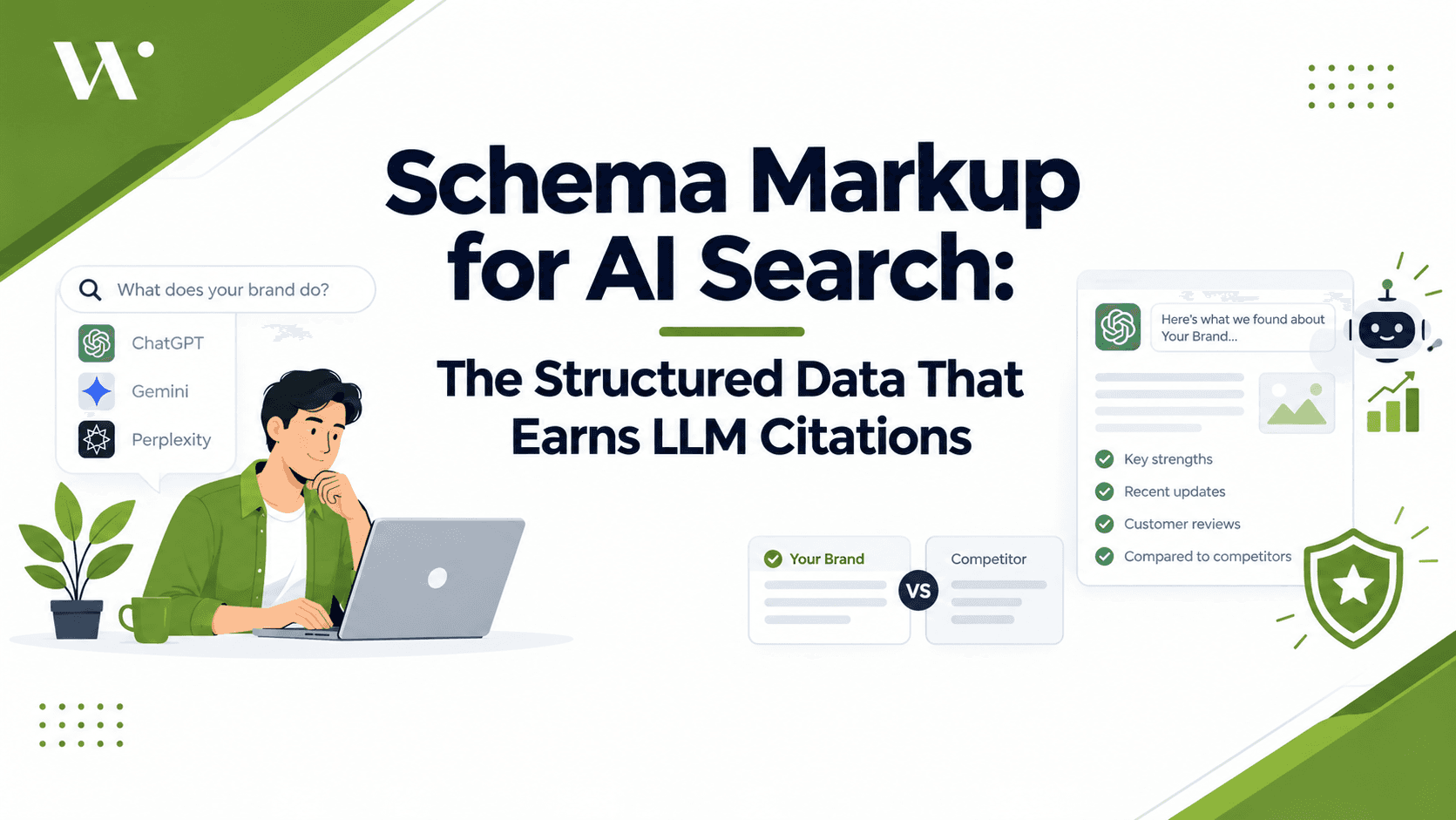
Schema Markup for AI Search: The Structured Data That Earns LLM Citations
Organized data has silently powered rich snippets, knowledge panels and voice search answers for more than a decade. Now, as AI Overviews, ChatGPT, Perplexity and Gemini reshape how audiences find information, a new query is taking center stage – does schema markup for SEO still matter when the “reader” is a large language model instead
Karan5 min read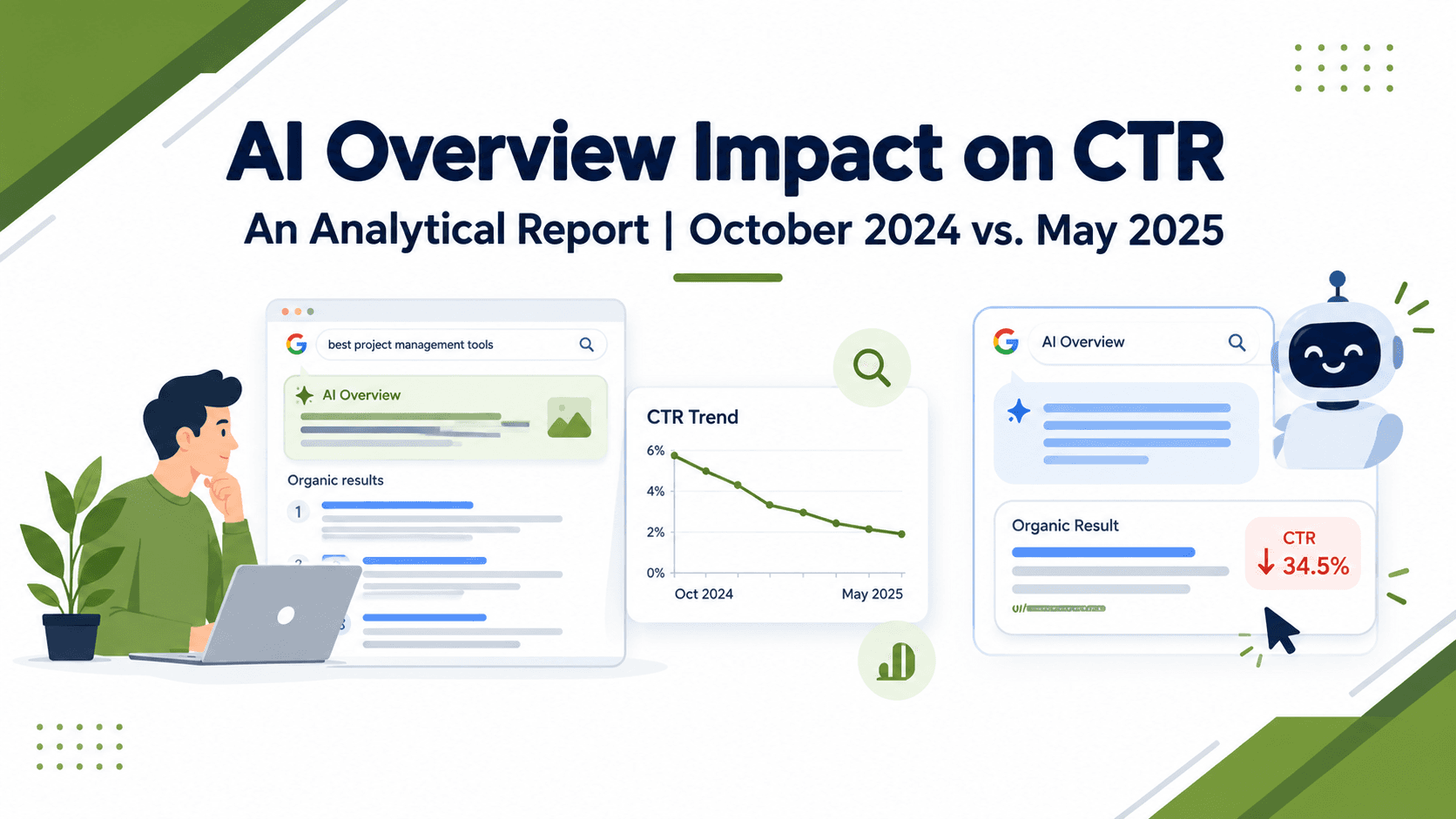 AI SEO
AI Overview Impact on CTR: An Analytical Report (October 2024 vs. May 2025)
From October 2024 to May 2025, Google’s AI Overviews went from a limited experiment to a default fixture of the search results page for millions of questions. For SEO teams, this eight-month window provides the cleanest real-world proof yet of how generative, on-SERP answers are reshaping click-through rate (CTR) — and, by extension, organic traffic….
Karan6 min read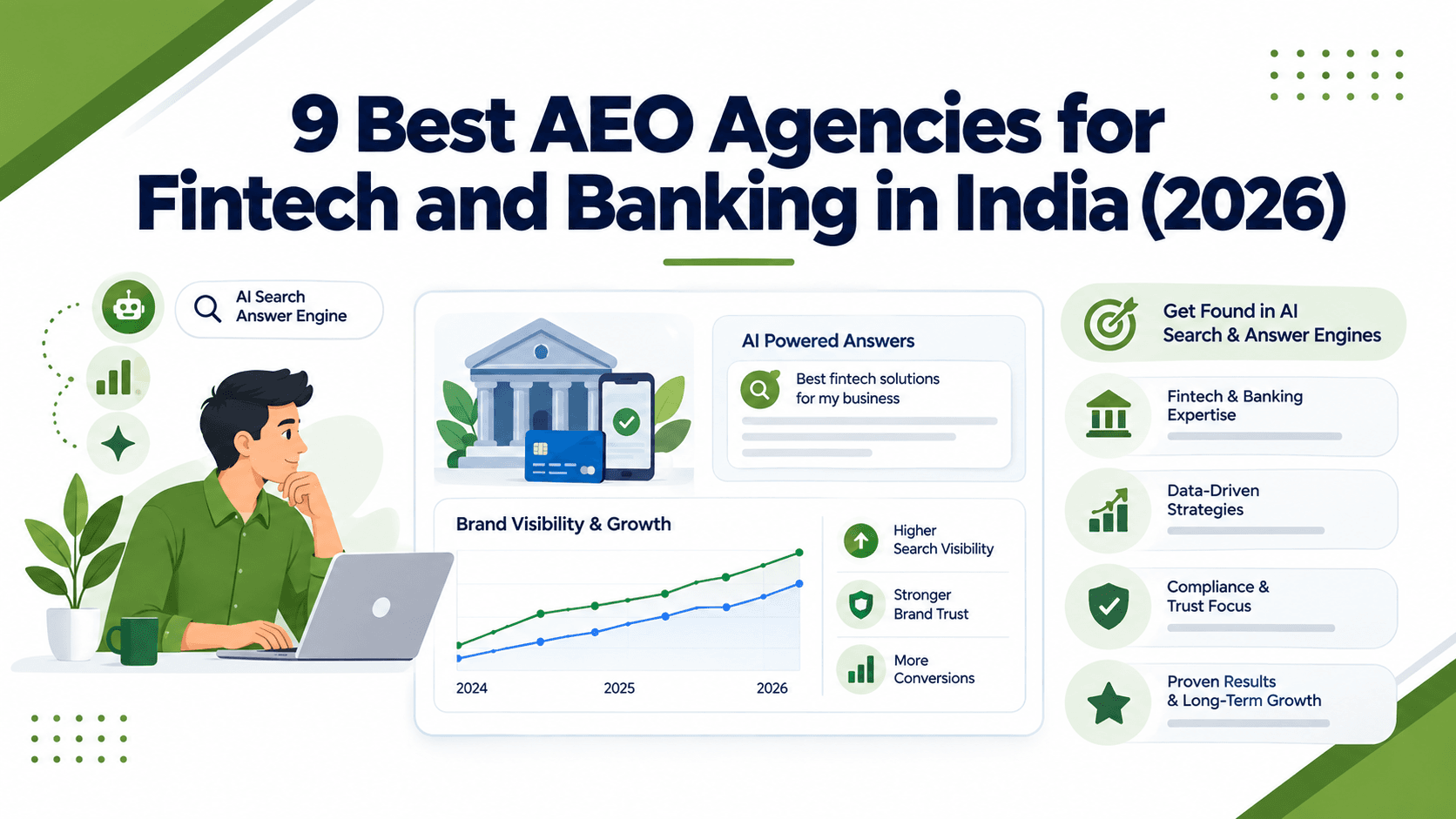 AI SEO
9 Best AEO Agencies for Fintech and Banking in India (2026)
Ask ChatGPT which savings account earns the best interest. Ask Gemini which UPI app is safest for first-time users. Search Google and read the AI Overview instead of clicking through five comparison sites. This is how Indian consumers now research money decisions, and it’s rewriting the rules for every bank, NBFC, insurer, and fintech operating
Karan6 min read
Free consultation
Book a free consultation to boost your business.
Thirty minutes with a strategist, not a salesperson. You leave with an audit of your site and channels and a roadmap you can act on, whether or not you hire us.
- We reply within a daywith a couple of questions about your goals and current numbers.
- 30-minute strategy callon video or phone, at a time that suits you.
- Audit and roadmap in five working dayswith clear priorities, budgets and expected outcomes.
Prefer to talk? Call our growth expert
+91 88510 71512Tell us about the project
Takes about two minutesRecognition
- Clutch · 5.0 rating
- BBB Accredited Business
- Expertise · Best Digital Marketing Agencies
- Local Excellence Award 2019