


Site architecture SEO shapes the way search engines and users experience a website. Most people focus on flashy design or catchy headlines, but the real impact happens behind the scenes. A well-structured website can actually reduce bounce rates and improve rankings, with research showing that sites prioritizing efficient architecture see higher engagement and faster indexing. Few realize just how much search visibility and user trust depend on these hidden digital blueprints.
Quick Summary
| Takeaway | Explanation |
|---|---|
| Optimize site navigation for clarity | Clear navigation paths reduce user frustration and enhance content discovery for both users and search engines. |
| Create logical content hierarchies | A hierarchical structure helps search engines understand relationships between pages, improving indexing and relevance. |
| Minimize click depth on key pages | Limiting clicks to important content enhances user experience and ensures search engine crawlers can find crucial information easily. |
| Utilize a streamlined internal linking strategy | Effective internal links create a comprehensive web of connections, guiding users and search engines through related content seamlessly. |
| Implement a clear XML sitemap | A well-structured sitemap facilitates faster crawling by search engines, ensuring all website pages are indexed effectively. |
What is Site Architecture SEO and Its Importance?
Site architecture SEO represents the strategic organization and structure of a website that enables search engines to efficiently crawl, understand, and index web content. At its core, site architecture determines how web pages are interconnected and how information flows through a digital ecosystem.
Understanding the Core Concept
Website structure is more than just aesthetic design it is a critical technical foundation that directly impacts search engine rankings. By creating a logical, hierarchical framework, businesses can signal content relevance and improve overall search visibility. Our comprehensive SEO guide offers deeper insights into these technical optimization strategies.
Key elements of effective site architecture include:
- Clear, intuitive navigation paths
- Logical content categorization
- Minimized click depth for important pages
- Streamlined internal linking
Why Site Architecture Matters for Search Performance
According to research from the National Institutes of Health, well-structured websites facilitate more efficient web crawling and indexing by search engine algorithms. This technical framework helps search engines comprehend website content faster and more accurately, which can significantly influence search ranking potential.
The relationship between site architecture and SEO performance is symbiotic. A thoughtfully designed website structure not only helps search engines but also improves user experience by making content discovery more intuitive and engaging. Websites with clean, logical architectures tend to have lower bounce rates and higher user engagement metrics, which are additional signals that search engines use to evaluate site quality.
The Impact of Site Structure on User Experience
Site structure plays a pivotal role in determining how users interact with and perceive a website. More than just visual design, the architectural framework directly influences user navigation, comprehension, and overall digital experience.
Navigation and Cognitive Load
Effective site architecture minimizes user cognitive effort by creating predictable and intuitive pathways through digital content. Our SEO ranking factors guide explores how user experience metrics directly correlate with site design. When users can easily predict and locate information, they experience less mental strain and higher satisfaction.
Key principles of user-friendly site structure include:
- Consistent menu organization
- Logical content hierarchy
- Intuitive link placement
- Minimal required clicks to access information
Psychological Dimensions of Website Design
According to research from the ACM Digital Library, website architecture profoundly impacts users’ psychological perception of digital spaces. A well-structured website signals professionalism, competence, and reliability. Users subconsciously evaluate websites based on how effortlessly they can navigate and extract relevant information.
The relationship between site structure and user experience is symbiotic. Clear, predictable navigation reduces frustration, increases engagement, and encourages users to explore more content. Websites that prioritize intuitive design see higher retention rates, lower bounce rates, and improved overall user satisfaction.
This table compares the impacts of site architecture on both user experience and search engine crawling to highlight their interdependence and unique benefits.
| Aspect | Impact on User Experience | Impact on Search Engine Crawling |
|---|---|---|
| Navigation Paths | Reduces frustration and enhances content discovery | Helps search engines efficiently locate and index core content |
| Content Hierarchy | Makes information easier to find and understand | Signals content importance and relevance for better rankings |
| Click Depth | Minimizes effort to reach key information | Improves crawler access to important pages |
| Internal Linking | Encourages deeper engagement and exploration | Creates clear pathways for bots to discover all related content |
| Site Organization Signals | Builds trust and perceived professionalism | Communicates page relationships, boosting crawl and indexing speed |
How Site Architecture Influences Search Engine Crawling
Search engine crawling represents a complex digital exploration process where automated bots systematically navigate and analyze website structures to understand content relevance and indexing potential. Site architecture serves as the primary roadmap guiding these algorithmic explorers through digital landscapes.
The Crawling Mechanism
Search engine crawlers function like intelligent digital cartographers, methodically mapping website territories. Our comprehensive search terms guide explains how strategic site architecture can optimize this critical discovery process. These bots evaluate multiple architectural elements to determine content accessibility and hierarchical significance.
Key factors influencing crawler efficiency include:
- Logical internal linking structures
- Clear, hierarchical page relationships
- Minimal deep page nesting
- Efficient XML sitemap configuration
Architectural Signals and Indexing Potential
According to Google Search Central guidelines, website architecture directly communicates content priority and interconnectedness to search algorithms. A well-structured site enables faster, more comprehensive crawling, allowing search engines to quickly understand page relationships and content importance.
Properly designed site architecture acts as a sophisticated communication system, signaling to search engines which pages hold primary significance. By creating clear pathways and minimizing unnecessary complexity, websites can dramatically improve their crawl efficiency, potentially accelerating indexing processes and enhancing overall search visibility.

Key Components of Effective Site Architecture for SEO
Effective site architecture transforms complex website structures into streamlined digital ecosystems that optimize search engine performance and user experience. Understanding these critical components allows businesses to create intelligent, discoverable online platforms.
Hierarchical Content Organization
Our technical SEO guide highlights the importance of strategic content categorization. A robust site architecture requires thoughtful content hierarchies that establish clear relationships between different website sections, enabling both users and search engines to navigate information intuitively.
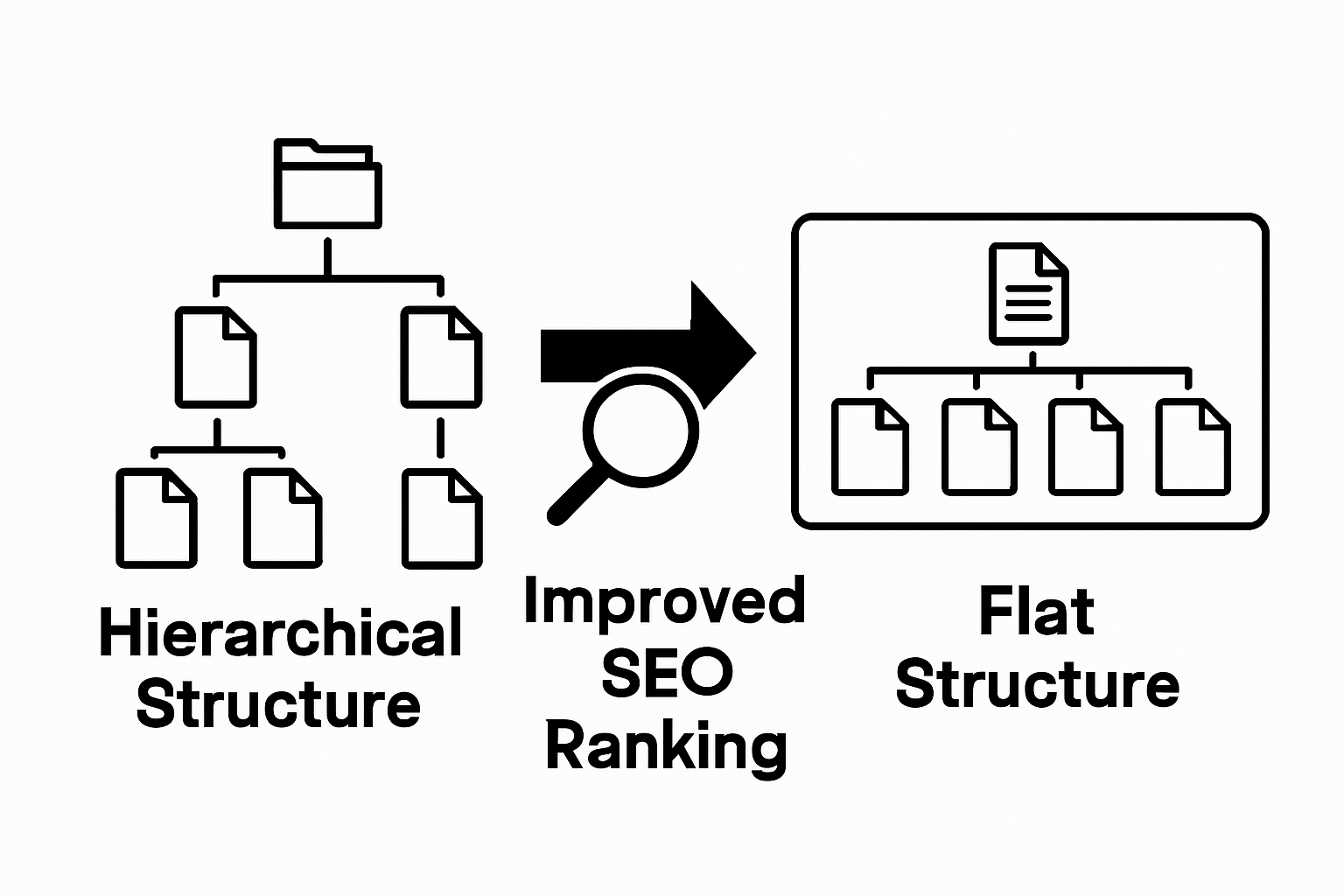
Key organizational principles include:
- Creating logical content categories
- Developing clear parent child page relationships
- Establishing semantic connections between related content
- Implementing breadcrumb navigation
Technical Structural Elements
According to research exploring knowledge driven site architectures, effective digital platforms leverage sophisticated semantic representations to capture complex relational dynamics. Site architecture goes beyond simple page linking, involving intricate mapping of content relationships and significance.
Critical technical components include URL structure, internal linking strategies, XML sitemaps, and meta information architecture. These elements work collectively to communicate website topology to search engine algorithms, facilitating more efficient crawling and indexing processes. A well designed site architecture acts as a comprehensive communication system, signaling content relevance and interconnectedness through strategic structural design.
Below is a table summarizing the key components of effective site architecture for SEO and their specific purposes, to provide a quick reference for implementation.
| Component | Purpose |
|---|---|
| Clear, intuitive navigation paths | Guides users and search engines to important content easily |
| Logical content categorization | Groups related information for better relevance and organization |
| Minimized click depth | Reduces user effort and helps crawlers access content efficiently |
| Streamlined internal linking | Connects related pages to improve crawlability and engagement |
| Structured XML sitemap | Ensures all website pages are indexed effectively by search bots |
| Semantic page relationships | Helps search engines understand how content is related |
Best Practices for Optimizing Your Site Architecture
Optimizing site architecture requires a strategic approach that balances technical precision with user experience considerations. Successful implementation demands careful planning, continuous evaluation, and adaptive design methodologies that align with evolving search engine algorithms.
Strategic Content Structuring
Our website content development guide emphasizes the importance of intentional content organization. Effective site architecture optimization begins with creating a logical, intuitive framework that serves both user navigation and search engine crawling requirements.
Key optimization strategies include:
- Implementing flat website hierarchies
- Reducing click depth for critical pages
- Creating comprehensive internal linking networks
- Developing semantically related content clusters
Technical Optimization Techniques
According to research published in PubMed Central, successful site architecture optimization involves multiple technical considerations. Websites must balance complex algorithmic requirements with user experience design principles, creating structures that are simultaneously sophisticated and accessible.
Technical optimization goes beyond simple structural modifications. It encompasses nuanced approaches like URL canonicalization, strategic schema markup implementation, and intelligent content categorization. By developing a holistic approach that considers both technological constraints and user interaction patterns, organizations can create robust digital platforms that effectively communicate their content’s relevance and significance to search engines.
Transform Your Site Architecture into SEO Results with Proven Solutions
Are you struggling to turn a well-structured website into higher rankings and real business growth? This article has made it clear that efficient site architecture means more than just organization. It is about connecting content, enhancing user experience, and helping search engines value every part of your site. If you are tired of seeing your competitors outrank you despite your effort on logical content categories, internal linking, and technical SEO, now is the time to take action. Learn from our Uncategorized Archives which offer insights into core digital marketing strategies beyond just structure.

Stop letting technical site challenges hold you back. Our team at Web Spider Solutions specializes in turning strategic site architecture into measurable SEO gains. Ready to see how optimized navigation, error-free page relationships, and targeted internal links can deliver lasting digital visibility? Visit our main website to request your free SEO audit and let us help you build a site that both users and search engines love. Take the next step and secure your advantage now.
Frequently Asked Questions
What is site architecture SEO?
Site architecture SEO refers to the strategic organization and structure of a website that allows search engines to effectively crawl, understand, and index its content. It focuses on creating a logical framework that enhances search visibility and user experience.
How does site architecture influence search engine rankings?
A well-structured site architecture improves the efficiency of search engine crawling and indexing, helping algorithms quickly comprehend content relevance. This can lead to better search engine rankings and enhanced visibility in search results.
What are the key elements of effective site architecture?
Key elements include clear navigation paths, logical content categorization, minimized click depth for important pages, and streamlined internal linking. These components make it easier for both users and search engines to navigate the website.
Why is user experience connected to site architecture?
User experience is closely tied to site architecture because a well-organized website facilitates intuitive navigation, reduces cognitive load, and enhances content discovery. This, in turn, decreases bounce rates and increases user engagement, which are positive signals for search engines.



 Top-rated