






TL;DR:
- Conversion rate optimization increases the percentage of website visitors who complete desired actions by analyzing user behavior and removing barriers. It often delivers faster revenue growth than increasing traffic and requires continuous, data-driven testing of key site elements. Successful CRO focuses on friction removal, proven psychological triggers, and building a cycling process of hypothesis, testing, and iteration.
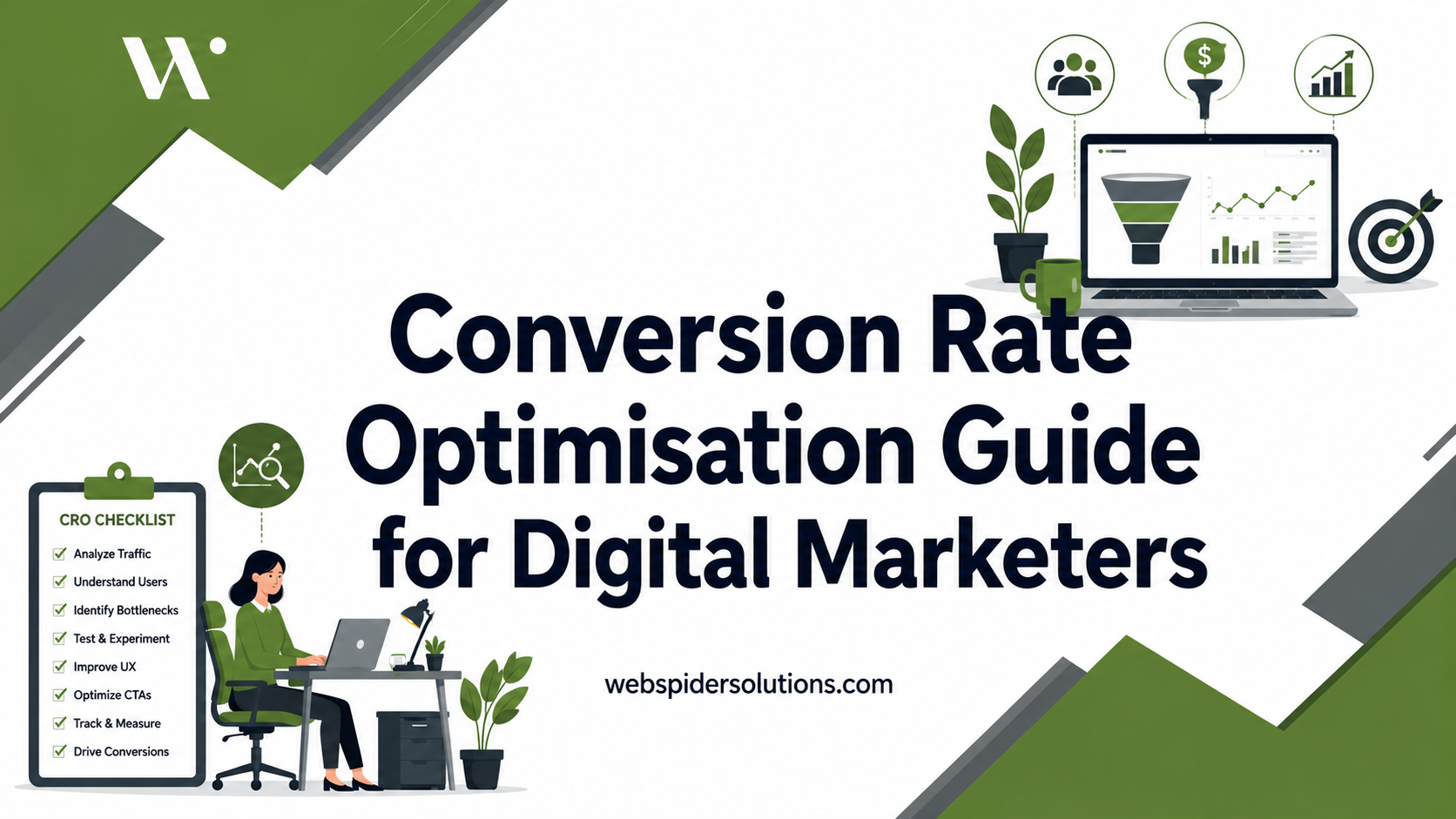
Conversion rate optimization (CRO) is the systematic process of increasing the percentage of website visitors who complete a desired action, such as making a purchase, signing up, or requesting a demo. CRO combines user research, data analysis, psychology, and experimentation to remove barriers and drive more of your existing traffic toward conversion. The average website conversion rate across industries sits between 2% and 5%, while top-performing sites exceed 11%. With traffic acquisition costs rising and AI reshaping search behavior in 2026, this conversion rate optimisation guide gives you the frameworks to extract more value from every visitor you already have.

What is conversion rate optimization and how do you measure it?
Conversion rate is calculated by dividing the number of conversions by total visitors, then multiplying by 100. A site with 10,000 monthly visitors and 300 purchases has a 3% conversion rate. That single number hides a lot, which is why tracking multiple metrics matters.
Types of conversions to track:
- Macro conversions: Completed purchases, subscription signups, demo requests
- Micro conversions: Email list signups, product page views, add-to-cart actions
- Engagement signals: Time on page, scroll depth, return visit rate
Industry benchmarks vary significantly. Ecommerce typically converts at 1%–4%, while B2B lead generation pages can hit 5%–10% with well-targeted traffic. Baseline data from tools like Google Analytics 4, Hotjar, and Mixpanel gives you the starting point every hypothesis needs.
The real power of CRO shows up in the math. A 1% improvement in conversion rate equals the same revenue gain as a 33% increase in traffic for a site converting at 3%. That means CRO often delivers faster returns than paid acquisition. ROI on CRO programs typically ranges from 200% to 1,000% within 90 days, making it one of the highest-leverage investments in digital marketing.
What are the foundational principles behind effective CRO?
Effective CRO is not guesswork. It is a structured discipline grounded in user psychology and evidence-based decision making. Understanding why visitors hesitate or abandon is as important as knowing what to change.
Core psychological triggers that drive conversions:
- Social proof: Customer reviews, star ratings, and user counts reduce perceived risk. Platforms like Trustpilot and Google Reviews feed directly into purchase confidence.
- Urgency and scarcity: Limited-time offers and low-stock indicators activate loss aversion. Use these honestly or they backfire.
- Trust signals: SSL badges, money-back guarantees, and recognizable payment logos (Visa, PayPal, Stripe) lower friction at checkout.
- Clarity: A visitor who cannot immediately understand what you offer will leave. Every headline should answer “what is this and why should I care?”
The principle of friction removal is the foundation of every conversion rate optimization best practice. Friction is anything that slows, confuses, or discourages a visitor from completing the next step. Long forms, unclear navigation, slow load times, and vague CTAs all create friction. Your job is to identify and eliminate each one systematically.
Pro Tip: Run a five-second test using tools like UsabilityHub. Show your landing page to a new user for five seconds, then ask them what the page offers. If they cannot answer clearly, your headline and value proposition need work before you touch anything else.
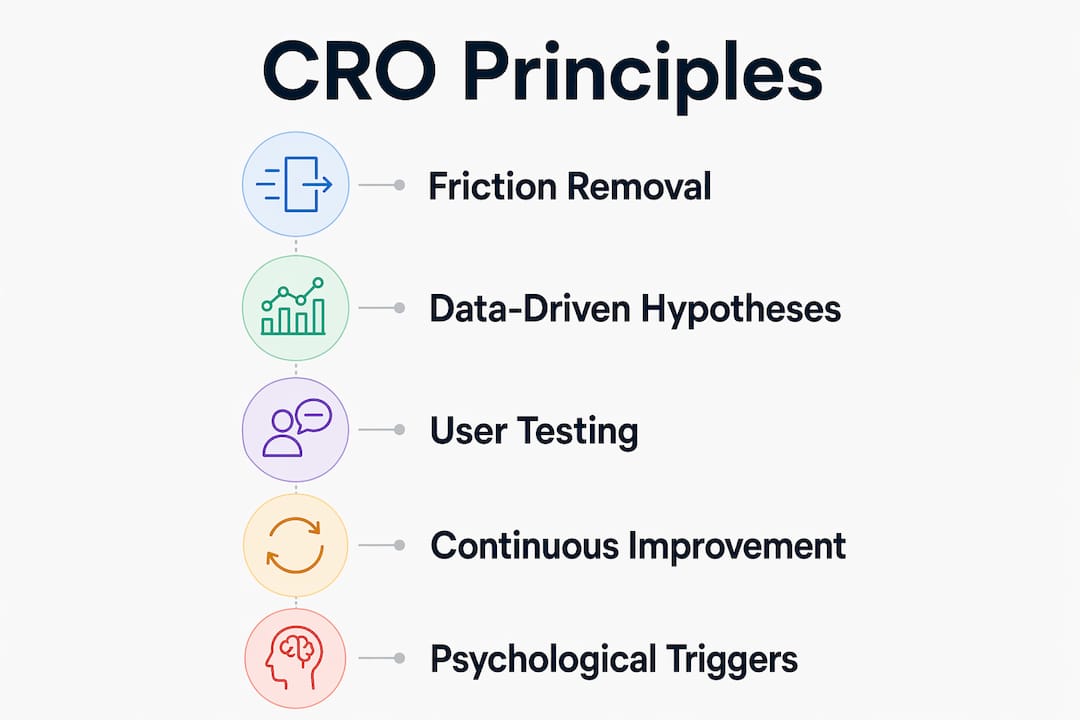
Data-driven hypotheses separate professional CRO from random redesigns. Every test should start with a specific observation from user behavior data, a proposed change, and a predicted outcome. “Users drop off at the checkout address form” leads to a testable hypothesis. “The site looks outdated” does not.
What are proven strategies for optimizing site elements?
The highest-impact CRO improvements come from a small set of site elements. Prioritize these before testing secondary details like color schemes or font sizes.
1. Optimize your call-to-action copy and placement
CTA clarity and persuasive language are among the most direct drivers of conversion. “Get My Free Quote” outperforms “Submit” because it states the value, not the action. Place your primary CTA above the fold and repeat it after key sections of proof. Learn more about crafting effective CTAs that move users from interest to action.
2. Improve landing page structure
A landing page should do one thing: convert a specific visitor segment for a specific offer. Remove navigation links that lead visitors away. Match the headline to the ad or email that brought the visitor there. Use a single, focused CTA. Webspidersolutions covers landing page optimization in depth, including layout patterns that consistently outperform generic templates.
3. Fix page speed before anything else
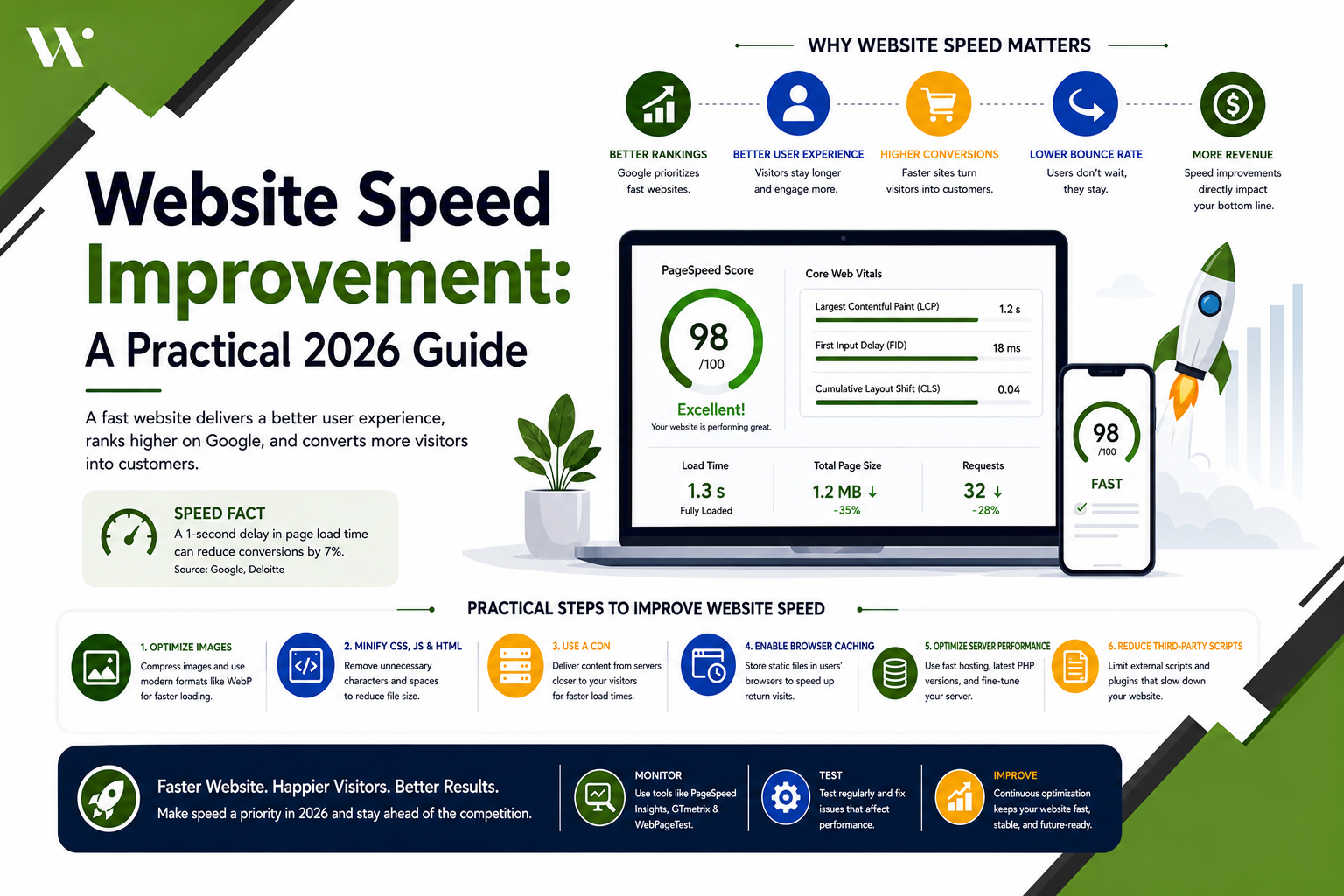
Increasing page load time from 1 second to 3 seconds raises bounce probability by 32%. Speed is not a technical nicety. It is a conversion variable. Use Google PageSpeed Insights and GTmetrix to identify render-blocking scripts, oversized images, and server response delays. A guide on website speed optimization can walk you through the technical fixes that have the biggest impact.
4. Prioritize mobile experience
Mobile optimization with thumb-friendly buttons and sub-3-second load times is non-negotiable. Mobile conversion rates run 40%–60% lower than desktop on poorly optimized sites. That gap represents recoverable revenue. Tap targets should be at least 44×44 pixels, forms should auto-fill where possible, and checkout flows should require the fewest possible steps.
Pro Tip: Audit your mobile checkout with one hand. If you cannot complete a purchase using only your thumb without zooming, your mobile UX has friction that is costing you conversions.
Conversion element comparison
| Element | Low-impact version | High-impact version |
|---|---|---|
| CTA button | “Submit” | “Get My Free Report” |
| Form length | 8 fields | 3 fields (name, email, goal) |
| Page load time | 5+ seconds | Under 2 seconds |
| Trust signal | None | Trustpilot rating + guarantee |
| Mobile layout | Desktop shrunk down | Touch-first, single-column |
How to implement, test, and measure CRO tactics
A structured testing process separates teams that improve consistently from those that run one test and declare victory. The process has five repeatable stages.
The CRO testing cycle:
- Analyze: Use Google Analytics 4 to identify high-traffic, low-conversion pages. Use Hotjar heatmaps and session recordings to see where users hesitate or drop off.
- Hypothesize: Write a hypothesis in this format: “Because [observation], changing [element] to [variation] will [expected outcome] for [user segment].”
- Prioritize: Score each hypothesis using the PIE framework (Potential, Importance, Ease). Run high-PIE tests first to generate quick wins and build momentum.
- Test: Test one change at a time and let data drive decisions. A/B testing tools like Optimizely, VWO, and Google Optimize (or its successors) split traffic between control and variation. Run tests until you reach statistical significance, typically 95% confidence.
- Iterate: A winning test is the start of the next hypothesis, not the finish line. A losing test is equally valuable. It tells you what your audience does not respond to.
Common CRO mistakes to avoid:
- Ending tests too early because early data looks promising
- Running multiple simultaneous tests on the same page, which corrupts results
- Optimizing for clicks instead of downstream revenue or lifetime value
- Ignoring qualitative data from user interviews and support tickets
- Treating a single winning test as permanent truth without re-testing over time
Testing method comparison:
| Method | Best for | Limitation |
|---|---|---|
| A/B test | Single element changes | Requires high traffic volume |
| Multivariate test | Multiple simultaneous elements | Needs very high traffic |
| Usability test | Identifying friction points | Not statistically quantifiable |
| Session recording | Observing real behavior | Qualitative, not predictive |
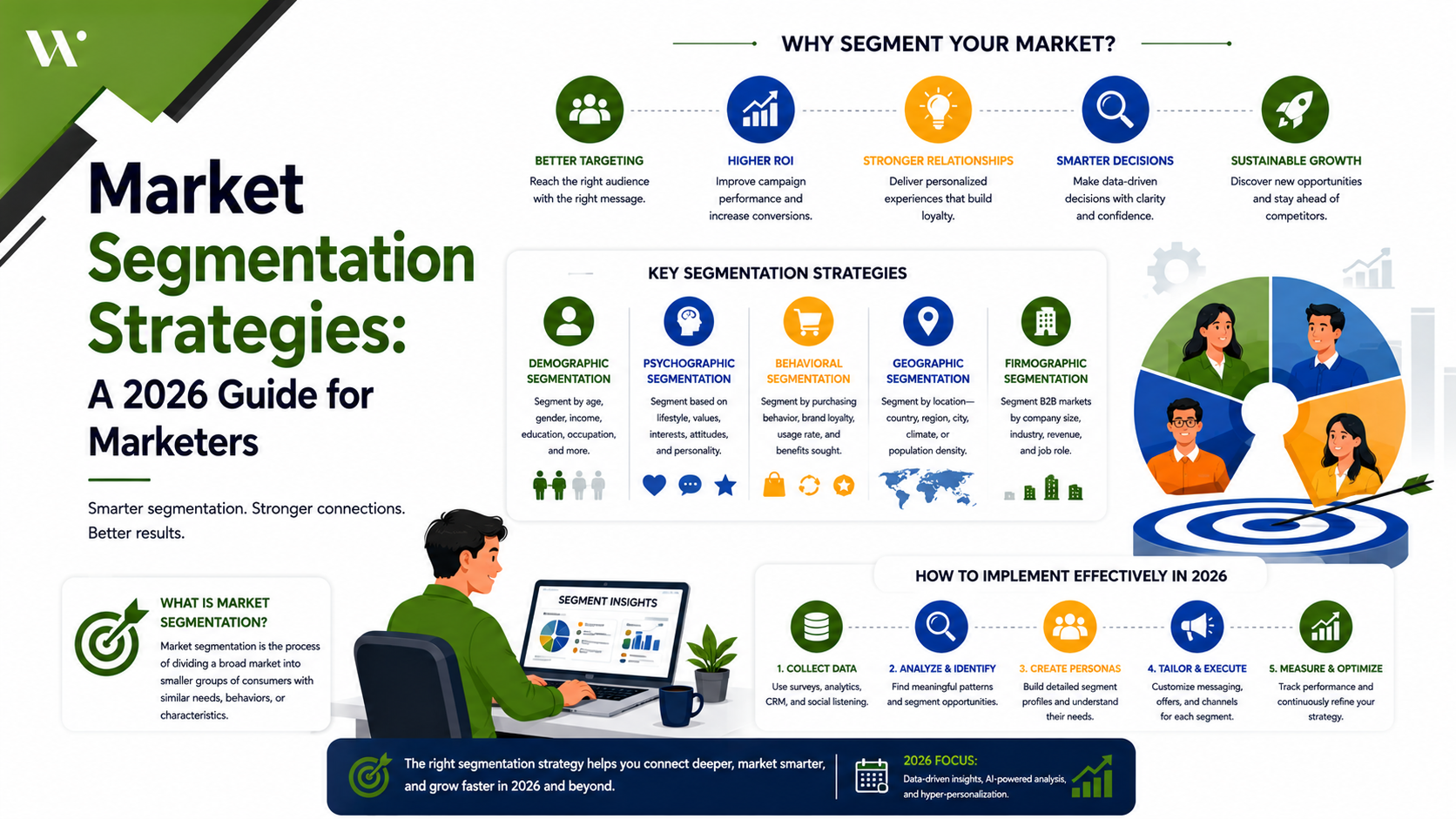
The data-driven CRO workflow Webspidersolutions uses for B2B clients follows this exact cycle, with an added layer of funnel segmentation to isolate which traffic sources convert best. Segmenting by source, device, and user intent often reveals that your overall conversion rate masks a high-converting segment buried under a low-converting one.
Key Takeaways
The most effective conversion rate optimization programs combine friction removal, psychological triggers, rigorous A/B testing, and continuous iteration to compound gains over time.
| Point | Details |
|---|---|
| Measure before you change | Establish baseline conversion rates with Google Analytics 4 and Hotjar before running any test. |
| Speed and mobile come first | A page load increase from 1 to 3 seconds raises bounce probability by 32%; fix this before testing copy. |
| CTA language drives action | Replace generic button text with value-specific language like “Get My Free Quote” to increase clicks. |
| Test one variable at a time | A/B test single elements to isolate what actually caused a change in conversion rate. |
| CRO compounds over time | Each winning test raises the baseline, so a 1% gain now makes the next 1% gain worth more revenue. |
Why most CRO programs stall after the first win
The teams I see struggle with CRO are not the ones who never test. They are the ones who run one successful A/B test, declare the problem solved, and move on. CRO is not a project with an end date. It is an operating discipline.
The 2026 context makes this more urgent, not less. AI-driven search reduces traditional click-through rates, which means the traffic you do earn is more expensive to acquire and more valuable to convert. Spending budget on paid ads while ignoring a leaky funnel is the most common and most expensive mistake I see in digital marketing.
My honest observation after working across dozens of ecommerce and B2B sites: the biggest conversion gains rarely come from the tests marketers expect to win. Removing a mandatory account creation step at checkout, simplifying a form from seven fields to three, or rewriting a headline to match the exact language users use in support tickets. These unglamorous changes consistently outperform redesigns and new features.
The other pattern worth naming: teams that integrate AI tools in digital marketing into their CRO workflows, specifically for behavioral analysis and personalization, are pulling ahead. AI does not replace the hypothesis and testing process. It accelerates the analysis phase and surfaces patterns that manual review misses.
Build your CRO program around a testing calendar, not a testing event. Commit to one test per week or per sprint. Review results monthly. Kill underperformers fast and scale winners. That cadence, sustained over 12 months, produces compounding gains that no single redesign can match.
— webspider
How Webspidersolutions can improve your conversion rates
Webspidersolutions works with digital marketers and ecommerce teams to build CRO programs that go beyond one-off tests. The agency’s approach combines technical audits, user behavior analysis, and structured A/B testing to identify and fix the friction points costing you revenue. Whether you need website design improvements built around conversion principles or a full SEO strategy that drives qualified traffic worth converting, Webspidersolutions delivers programs tailored to your funnel. If your site is getting traffic but not converting it, that gap is the opportunity. Get in touch with Webspidersolutions to find out exactly where your conversions are leaking and how to fix them.
FAQ
What is a good conversion rate for an ecommerce site?
The average ecommerce conversion rate falls between 2% and 5%, with top-performing sites exceeding 11%. Anything above 5.31% places you in the top 25% of sites across industries.
How long should I run an A/B test?
Run each A/B test until you reach at least 95% statistical significance, which typically requires a minimum of two full business cycles (usually two weeks) to account for day-of-week variation in user behavior.
What is the difference between A/B testing and multivariate testing?
A/B testing changes one element at a time and compares two versions. Multivariate testing changes multiple elements simultaneously to find the best combination, but requires significantly higher traffic volumes to produce reliable results.
Does page speed really affect conversions?
Page speed directly affects conversions. Increasing load time from 1 second to 3 seconds raises bounce probability by 32%, and mobile sites with load times above 3 seconds lose a measurable share of potential conversions before the page even renders.
Where should I start with conversion rate optimization?
Start by identifying your highest-traffic, lowest-converting pages using Google Analytics 4. Then use Hotjar session recordings to observe where users drop off, and build your first hypothesis from that specific behavioral data.