

TL;DR:
- On-page SEO requires continuous auditing and optimization of technical and content elements.
- Modern search favors structured, answer-first content, schema markup, and mobile speed.
- Ongoing testing, measurement, and rapid updates are essential for SEO success in 2026.
Your organic traffic has plateaued. Rankings that once climbed steadily now sit still, and click-through rates (CTR) are slipping despite consistent publishing. If this sounds familiar, the culprit is often neglected on-page SEO. Search has changed dramatically, and AI Overviews reduce CTR by 61% for pages that aren’t structured to give immediate answers. Mobile dominance and evolving Google features have raised the bar for what a well-optimized page actually looks like. This guide walks you through a practical, step-by-step process to audit, update, and measure your on-page SEO so your site competes at the level 2026 demands.
Key Takeaways
| Point | Details |
|---|---|
| Mobile-first is mandatory | With most search traffic on mobile devices, optimizing for mobile is essential for SEO success. |
| Content must serve AI | Structuring content for AI Overviews and answer-first results greatly improves visibility and click-through rates. |
| Technical fixes matter | Strong meta tags, fast page speed, and effective internal linking build your foundation for ranking higher. |
| Always test and measure | Recording and analyzing each update is the new standard for sustained SEO improvement. |
Assessing your current on-page SEO
Before you fix anything, you need to know what’s broken. Start by understanding on-page SEO as a system of connected signals rather than a checklist of isolated tasks. Title tags, meta descriptions, heading structure, content layout, internal links, and mobile usability all influence how Google reads and ranks your pages.
Here’s a quick comparison of where most business websites stand versus where they should be:
| Element | Average site | Ideal benchmark |
|---|---|---|
| Title tag length | 70+ characters | 50 to 60 characters |
| Meta description | Missing or duplicate | Unique, 150 to 160 characters |
| H1 usage | Multiple or missing | Exactly one per page |
| Internal links per page | 1 to 2 | 3 to 5 relevant links |
| Mobile page load time | 5 to 8 seconds | Under 3 seconds |
| Content freshness | Over 18 months old | Updated within 12 months |
Most marketing managers are surprised to discover that several of their highest-traffic pages fail at least three of these benchmarks. The good news is that fixing them produces fast, measurable results.
Use this initial audit checklist to locate your biggest gaps:
- Crawl your site using a tool like Screaming Frog or Semrush to identify missing or duplicate title tags and meta descriptions.
- Check Google Search Console for pages with high impressions but low CTR. These are your fastest wins.
- Review your top 20 pages for a single, keyword-focused H1 and a logical heading hierarchy (H2, H3).
- Test mobile usability via Google’s PageSpeed Insights and fix any critical issues flagged.
- Map your internal link structure to confirm that important pages receive links from related, high-traffic pages.
- Flag content older than 12 months for a freshness review.
Mobile performance deserves a special mention here. Mobile-first indexing applies to over 75% of all searches in high-growth markets. If your site delivers a poor experience on a phone, Google ranks it accordingly, regardless of how strong your desktop version looks. Treat mobile optimization as the baseline, not an upgrade.
Once you’ve completed this audit, you have a prioritized list of problems. That list becomes your SEO roadmap for the next section.
Optimizing content for modern search features
Once you’ve identified areas for improvement, you can start tailoring your content to meet modern search requirements. The way people consume search results in 2026 is fundamentally different from even two years ago. Google now surfaces AI-generated summaries, featured snippets, and answer boxes at the top of results. If your content isn’t built to feed those features, you’re invisible to a growing segment of searchers.
AI Overviews favor pages with clear structure and immediate answers. That means the era of burying your key insight in paragraph four is over. Lead with the answer, then support it with context and depth.
Critical tip: Structure your page so that the most important answer appears in the first 100 words of each section. Google’s AI pulls from content that is direct, specific, and well-organized. Pages that open with ambiguity rarely get featured.
To improve your eligibility for answer boxes and featured snippets, focus on these content elements:
- Concise H2 and H3 headings that mirror the questions your audience actually searches for
- FAQ sections placed near the bottom of each page, written in plain conversational language
- Schema markup (structured data) for articles, FAQs, and products to help Google parse your content
- Short definition paragraphs that answer a question in two to three sentences before expanding
- Updated statistics and dates so Google can confirm your content is current
You can also study AI’s role in SEO to understand how machine learning is reshaping what Google rewards. For tactical execution, reviewing best on-page SEO practices gives you a framework you can apply page by page.
A real-world example: a SaaS company restructured five service pages to open with a two-sentence answer, added FAQ schema, and reorganized subheadings into question format. Within six weeks, three of those pages appeared in featured snippets, and organic CTR rose by 28%.
Pro Tip: Before and after every content update, record your CTR and average position in Google Search Console. Give each change at least three to four weeks to register, then compare. This turns your content updates into engaging content strategies backed by real data rather than guesswork.
Technical SEO elements you can’t ignore
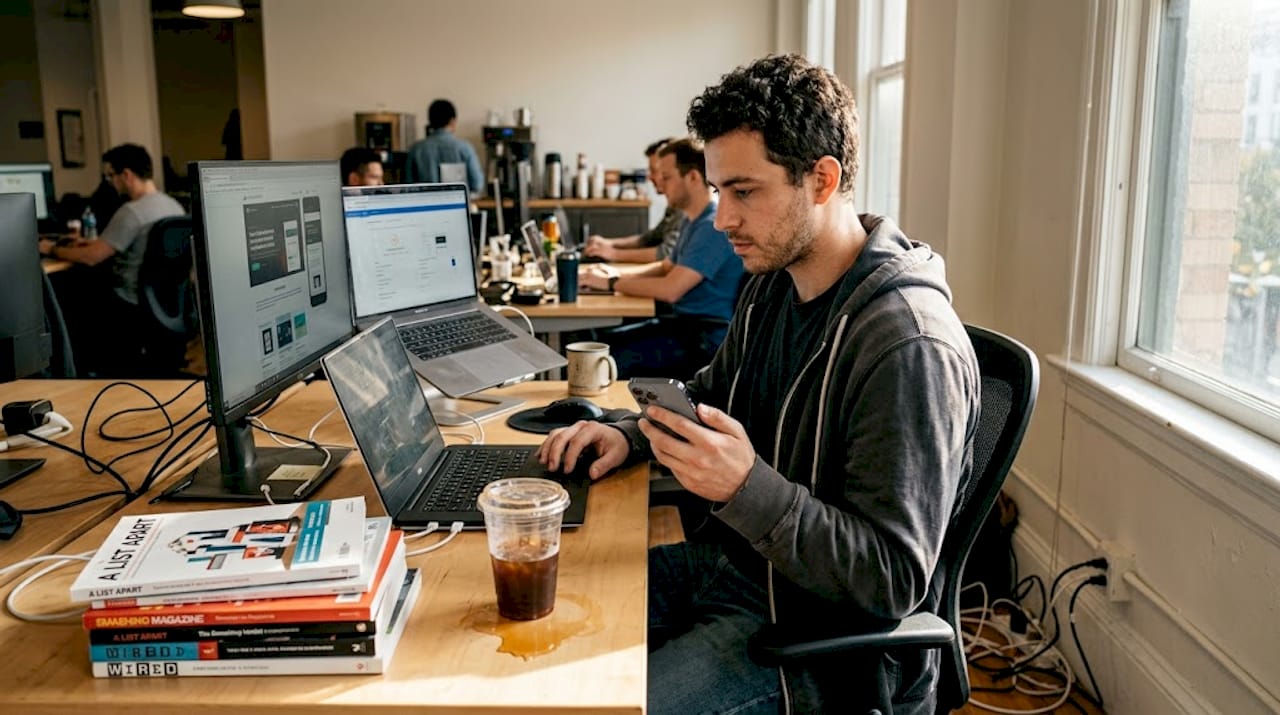
Modern content and structure go hand in hand with key technical signals Google tracks. Even the best-written page loses rank if its technical foundation is weak. Many marketing managers focus entirely on content while leaving obvious technical issues unaddressed.
Here’s where most websites fall short on technical on-page factors:
| Technical factor | Average site | Target benchmark |
|---|---|---|
| Page load time (mobile) | 6.2 seconds | Under 2.5 seconds |
| Meta tag completeness | 60% of pages | 100% of indexed pages |
| Internal link density | 1.4 links per page | 3 to 5 per page |
| Crawl errors | 12 to 20 pages | 0 critical errors |
| Image alt text coverage | 45% of images | 100% of images |
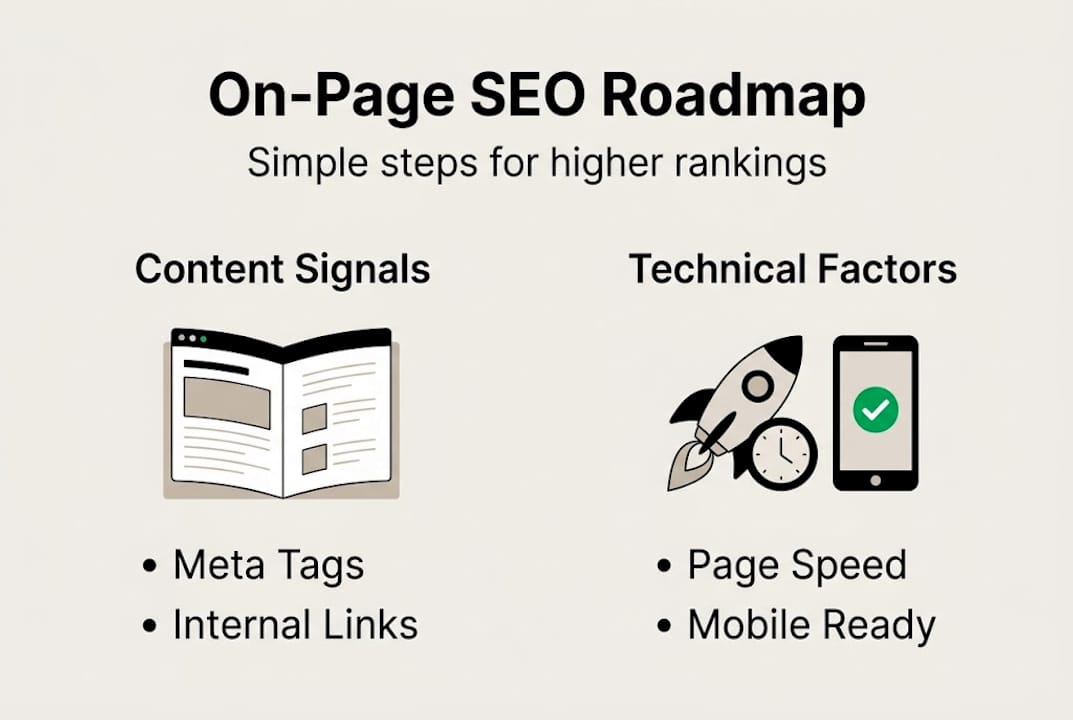
Proper meta tags and internal links are foundational for on-page SEO success, not optional extras. Skipping them is like building a store with no signs and no clear aisles.
Here are the key technical steps to tackle in order of impact:
- Optimize critical meta tags: Write unique title tags and meta descriptions for every indexed page. Include your primary keyword naturally within the first 60 characters of each title.
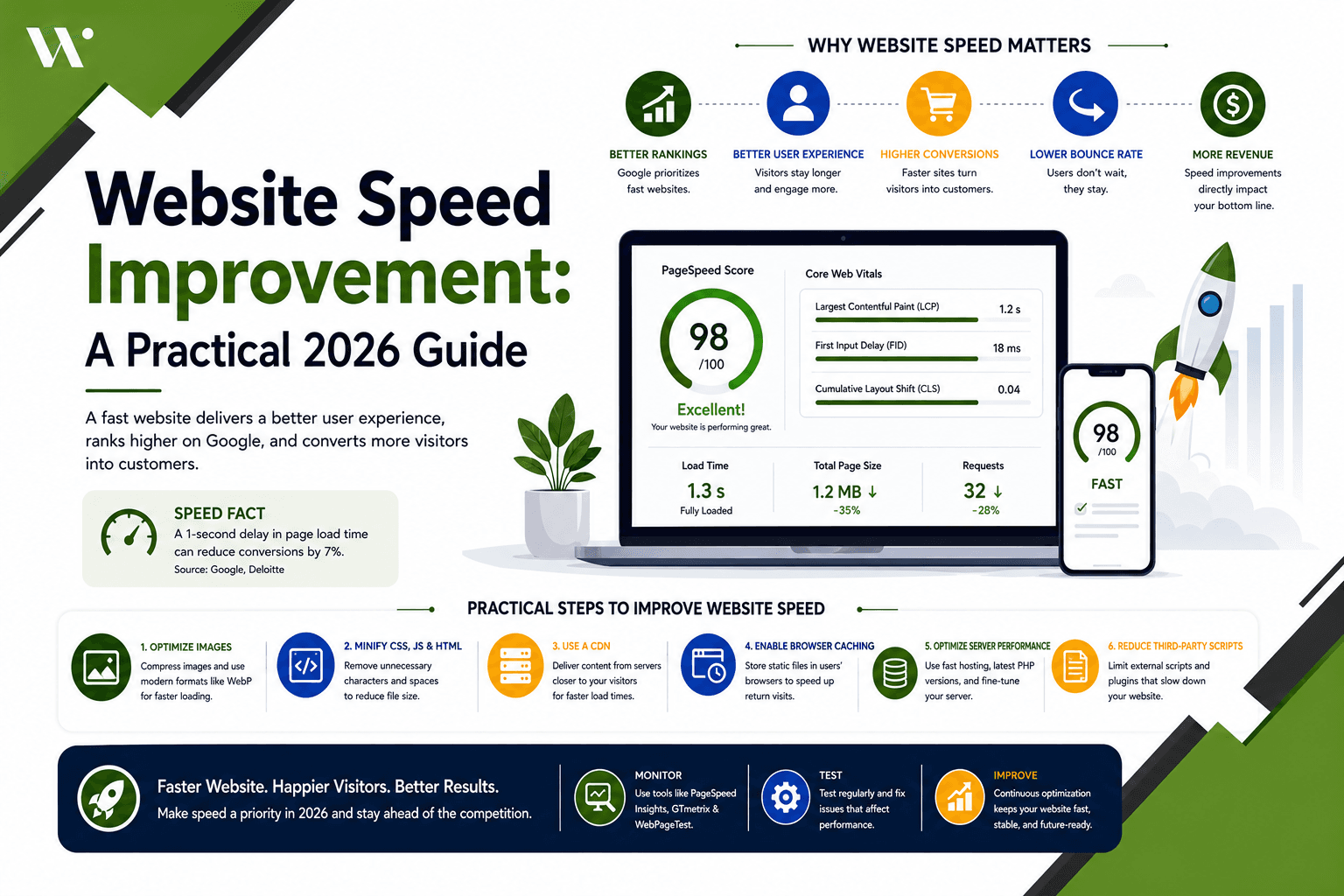
- Improve page speed: Compress images, enable browser caching, and reduce unused JavaScript. Use Google PageSpeed Insights to find specific bottlenecks.
- Ensure mobile compatibility: Test every key landing page on a real mobile device, not just a simulated one. Pay attention to tap targets, font sizes, and horizontal scrolling.
- Eliminate crawl errors: Review Google Search Console’s Coverage report weekly and fix 404 errors, redirect chains, and blocked resources immediately.
- Add descriptive alt text: Every image should have alt text that describes what’s shown. This supports both accessibility and image search visibility.
Mobile page speed is now a direct ranking factor, not just a user experience concern. Review mobile SEO techniques to address device-specific performance issues that generic desktop audits miss.
Pro Tip: Build your internal link structure intentionally. Identify your three to five highest-value pages, then create contextual links pointing to them from related blog posts and service pages. This distributes authority where it matters most and guides Google’s crawlers to prioritize your best content.
Measuring and improving on-page SEO impact
With updates in place, the final step is making sure your hard work produces measurable SEO gains. Changes without measurement are just guesses. You need a consistent process to confirm what’s working and cut what isn’t.
Follow these steps to build a reliable measurement cycle:
- Set benchmarks before you change anything. Record your current CTR, average position, impressions, and page-level engagement metrics for every page you plan to update.
- Make one to three focused changes per page. Changing too many elements at once makes it impossible to know which fix drove the improvement.
- Wait three to four weeks after publishing. Google needs time to recrawl and re-evaluate updated pages. Checking results after 48 hours leads to false conclusions.
- Pull data from Google Search Console and your analytics platform. Compare CTR and ranking changes against your baseline benchmarks.
- Analyze and iterate. If a page improved, apply the same approach to similar pages. If it didn’t, revisit the content structure or technical factors and test again.
Statistic to keep in mind: AI Overviews are cutting organic CTR by 61% for pages not formatted for answer-first consumption. This isn’t a future risk. It’s happening now, and only data-driven iteration will help you adapt fast enough.
Documenting every change is non-negotiable. Create a simple log: page URL, date of change, what was changed, and the before-and-after metrics. Test changes with before-and-after data to confirm impact rather than assuming improvements will follow automatically.
For teams working across multiple pages, tools like Google Search Console, Semrush, and Ahrefs let you track keyword movement at scale. When developing website content for SEO success, build your measurement plan into the content calendar from day one, not as an afterthought.
Our take: Why 2026 on-page SEO is about speed, structure, and testing
Here’s an uncomfortable truth most SEO guides won’t say directly: the classic checklist approach is now a liability. Marketers who follow a static SEO checklist once a year and call it done are actively losing ground to competitors who treat optimization as an ongoing process.
What we’ve seen consistently is that the sites winning in 2026 are not necessarily the ones with the longest content or the most backlinks. They’re the ones that load fast, answer questions immediately, and adjust quickly when something stops working. AI’s changing role in SEO means the rules are shifting faster than any static playbook can track.
Mobile dominance and AI Overviews have made patience a risk. If you’re waiting for six months of data before making a second round of changes, you’re falling behind. The marketers generating real ROI from SEO in 2026 are running structured experiments every four to six weeks, documenting outcomes, and compounding small wins into serious traffic gains. Speed, structure, and relentless testing. That’s the actual strategy.
Ready to elevate your website’s SEO?
If this guide sparked a few ideas, the full SEO strategy guide on our site takes you deeper into the advanced techniques that separate high-ranking pages from average ones. For marketing managers who want more than a DIY approach, our SEO campaigns for business growth give you a managed strategy built around your specific goals and competitive landscape. Whether you need a full audit, content restructuring, or end-to-end SEO campaign management, Web Spider Solutions is ready to help you turn stagnant traffic into consistent, qualified leads. Reach out today to explore what a tailored SEO plan looks like for your business.
Frequently asked questions
What is the difference between on-page and off-page SEO?
On-page SEO covers everything you control directly on your site, including content, title tags, headings, and internal links. Off-page SEO involves external signals like backlinks from other sites that indicate your authority and trustworthiness to search engines.
How long does it take to see results from on-page SEO optimization?
Most businesses notice measurable improvements in rankings and engagement within one to three months after making targeted, well-documented changes to their pages.
Why is mobile-first SEO so important in 2026?
Over 75% of searches in many markets now come from mobile devices, so Google indexes and ranks your mobile experience first, making it the single most critical performance layer.
How can I measure the effectiveness of my on-page SEO changes?
Track CTR, average position, and page engagement in Google Search Console before and after each change. Consistent before-and-after data comparisons reveal what’s actually driving improvement versus what’s noise.
Does Google penalize AI-generated content?
Google prioritizes content quality and usefulness over how it was produced, so AI-generated content that is clear, accurate, and genuinely helpful to readers will not be penalized.

 Top-rated