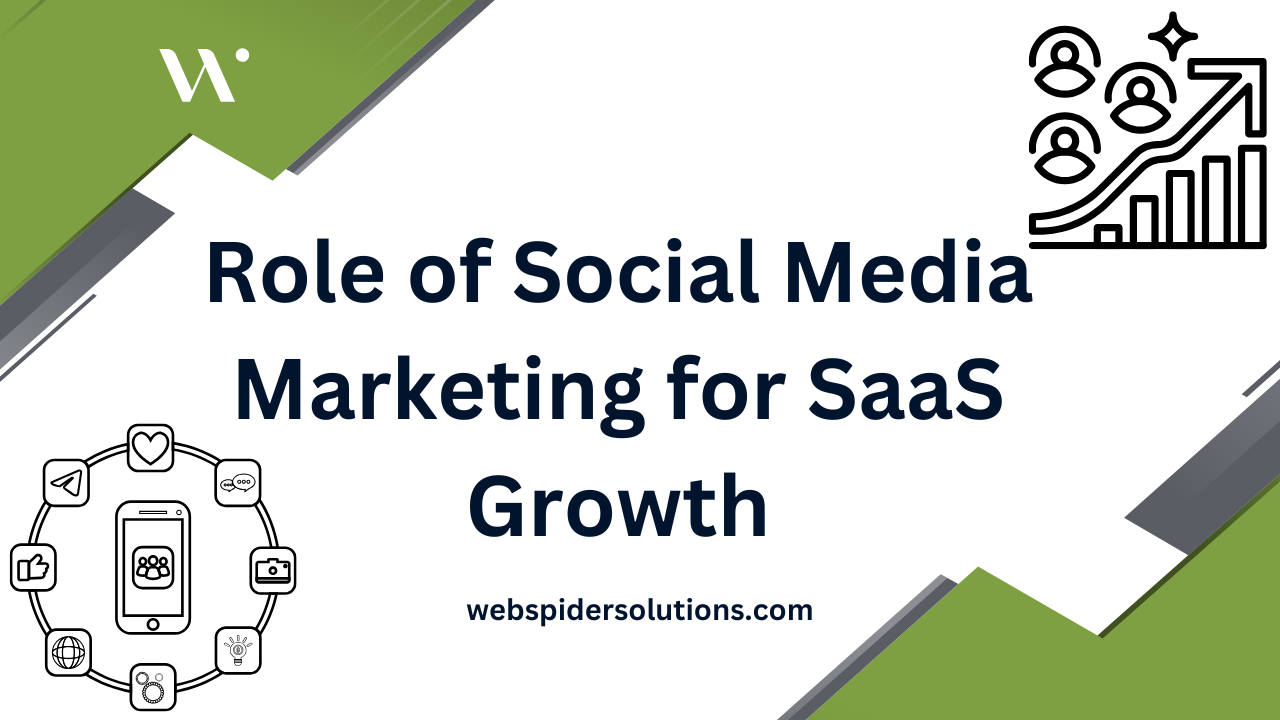






Social media drives more than 80 percent of online brand discovery among American SaaS businesses, putting its true business value in sharp focus. For digital marketing managers, finding the right social strategies means navigating a crowded space where customer expectations shift quickly. This guide maps out advanced tactics and core content approaches, giving competitive SaaS teams the tools to create targeted, measurable audience engagement that delivers results across global platforms.
Table of Contents
- Defining Social Media Marketing for SaaS
- Strategic Approaches and Key Channels
- Types of Social Media Content for SaaS
- Targeting and Audience Engagement Tactics
- Risks, ROI Factors, and Common Mistakes
Key Takeaways
| Point | Details |
|---|---|
| Focus on Value-Driven Content | SaaS social media marketing should prioritize educational and engaging content that addresses customer pain points and showcases product capabilities. |
| Utilize Multi-Channel Strategies | Engaging effectively on platforms like LinkedIn, Twitter, and YouTube allows for targeted interactions with diverse audiences and enhances overall brand visibility. |
| Implement Precise Audience Targeting | Leveraging data-driven audience segmentation and behavioral targeting can significantly improve engagement rates and conversion chances. |
| Measure ROI Effectively | Developing comprehensive tracking systems is essential to assess the impact of social media marketing on customer acquisition and brand growth. |
Defining Social Media Marketing for SaaS
Social media marketing for Software as a Service (SaaS) companies represents a strategic approach to leveraging digital platforms for brand awareness, customer engagement, and growth. Unlike traditional marketing methods, social media marketing in the SaaS context focuses on creating targeted, value-driven content that addresses specific customer pain points and showcases product capabilities.
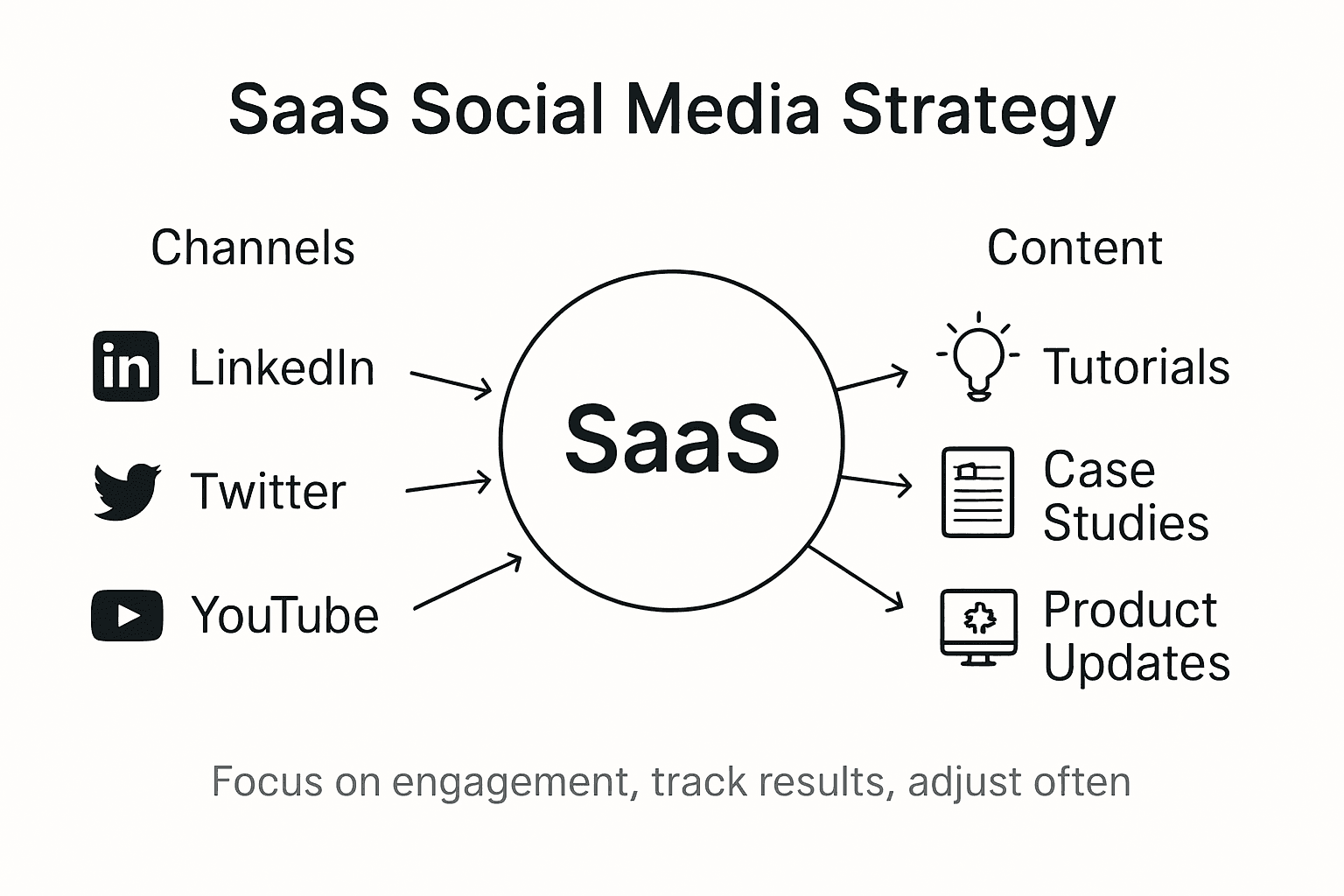
At its core, social media marketing for SaaS involves using platforms like LinkedIn, Twitter, and YouTube to communicate complex software solutions in digestible, compelling formats. Strategic social media approaches help SaaS companies demonstrate thought leadership, build trust, and nurture potential customer relationships through consistent, informative digital interactions.
Effective social media marketing strategies for SaaS typically include multiple key components. These encompass sharing technical tutorials, product updates, customer success stories, and industry insights that position the company as an authoritative resource. By creating content that goes beyond direct product promotion, SaaS organizations can attract and retain audience attention while subtly highlighting their unique value propositions within digital marketing strategies for SaaS companies.
Pro tip: Develop a consistent content calendar that balances educational material, customer testimonials, and product demonstrations to maintain audience engagement and showcase your SaaS solution’s authentic value.
Strategic Approaches and Key Channels
Successful social media marketing for SaaS companies demands a nuanced, multi-channel strategy that goes beyond traditional promotional tactics. Comprehensive social media approaches require careful platform selection, targeted content development, and a deep understanding of audience engagement dynamics.

Key social media channels for SaaS marketing include professional networks like LinkedIn, visual platforms like YouTube, and engagement-driven spaces like Twitter. Each platform offers unique opportunities for demonstrating technical expertise, sharing product insights, and building credible industry connections. LinkedIn, in particular, enables precise targeting of decision makers and professionals interested in software solutions, while YouTube allows for in-depth tutorial and product demonstration content.
Here’s a breakdown of top social media channels for SaaS and their distinctive business impact:
| Platform | Primary Strength | Ideal Content Type | Business Impact |
|---|---|---|---|
| Professional targeting | Case studies, articles | Influences B2B decision makers | |
| Instant engagement | Quick insights, updates | Boosts brand visibility | |
| YouTube | Visual storytelling | Tutorials, demos | Drives product understanding |
| Community interaction | User stories, tips | Supports customer retention |
Effective strategic approaches typically involve a balanced mix of content types. These include thought leadership articles, technical tutorials, customer success narratives, and interactive content that showcases the software’s real-world problem-solving capabilities. By creating a diverse content ecosystem, SaaS companies can establish authority, build trust, and systematically nurture potential customer relationships across multiple digital touchpoints.
Pro tip: Develop a platform-specific content strategy that tailors messaging and format to each social media channel’s unique audience and engagement expectations.
Types of Social Media Content for SaaS
SaaS companies must adopt a sophisticated approach to social media content that transcends traditional marketing techniques. Content type analysis across social platforms reveals that successful social media strategies incorporate a diverse range of content formats designed to educate, engage, and convert potential customers.
The most effective social media content for SaaS typically falls into several strategic categories. Educational content remains paramount, including technical tutorials, product walkthrough videos, and in-depth explainer graphics that demonstrate software capabilities. Thought leadership content such as industry insights, expert interviews, and trend analysis pieces help establish credibility and position the company as an innovative solution provider. Customer success narratives humanize the brand by showcasing real-world problem-solving through testimonial videos, case study snippets, and user journey highlights.
Platform-specific content strategies are critical for maximizing engagement. Empirical research on content engagement indicates that rational, emotional, and transactional content must be carefully tailored to each social media platform’s unique audience dynamics. LinkedIn might prioritize professional, data-driven content, while platforms like YouTube can accommodate more narrative-driven, tutorial-style presentations that offer deeper technical insights.
Pro tip: Create a content matrix that maps different content types to specific social media platforms, ensuring each piece of content is optimized for maximum relevance and audience engagement.
Targeting and Audience Engagement Tactics
Social media targeting for SaaS companies requires a sophisticated, data-driven approach that goes beyond traditional demographic segmentation. B2B social media content strategies demonstrate the critical importance of understanding nuanced audience behaviors, professional interests, and technological pain points that drive engagement in the software ecosystem.
Effective audience targeting involves multiple strategic dimensions. SaaS marketers must develop precision targeting techniques that leverage platform-specific tools and advanced analytics. This includes creating detailed buyer personas, utilizing advanced filtering options on platforms like LinkedIn, and developing content that speaks directly to specific professional roles such as CTOs, IT managers, and business decision makers. Behavioral targeting becomes crucial, focusing on identifying and reaching professionals actively seeking software solutions, technology innovations, and industry-specific problem-solving tools.
Social media engagement measurement models reveal that successful audience engagement requires a dynamic, interactive approach. This means moving beyond passive content consumption to creating opportunities for meaningful interaction. Tactics such as hosting live webinars, conducting interactive Q&A sessions, sharing actionable industry insights, and developing community-driven content can significantly enhance audience connection and brand credibility in the competitive SaaS landscape.
Pro tip: Develop a sophisticated audience targeting matrix that combines demographic data, professional interests, technological intent signals, and platform-specific engagement metrics to create hyper-personalized content strategies.
Risks, ROI Factors, and Common Mistakes
Social media marketing for SaaS companies involves navigating complex challenges that can significantly impact business performance. Comprehensive risk analysis frameworks highlight the multifaceted nature of digital marketing investments, revealing that successful strategies require more than superficial metrics and reactive approaches.
Key risks in social media marketing for SaaS include misaligned targeting, content ineffectiveness, and attribution complexity. Marketers frequently struggle with accurately measuring return on investment, as social media interactions do not always translate directly into measurable conversions. ROI measurement challenges demonstrate that many organizations fail to implement comprehensive tracking mechanisms that capture the nuanced customer journey from initial social media engagement to final software purchase.
Common mistakes that undermine social media marketing effectiveness include over-relying on vanity metrics like likes and shares, neglecting audience segmentation, and failing to develop platform-specific content strategies. Successful SaaS companies recognize that social media marketing requires a sophisticated, data-driven approach that combines detailed audience insights, precise targeting techniques, and continuous performance optimization. This means moving beyond generic content and developing highly personalized communication strategies that resonate with specific professional segments and technological needs.
Here’s a summary of critical risks and ROI factors in SaaS social media marketing:
| Challenge | Example Risk | Why It Matters | Mitigation Strategy |
|---|---|---|---|
| Misaligned targeting | Weak audience interest | Lower conversion rates | Use analytics-driven personas |
| Content ineffectiveness | Low engagement metrics | Poor customer awareness | Test varied content formats |
| Attribution complexity | Unclear ROI measurement | Difficult budget planning | Implement multi-touch tracking |
| Vanity metrics focus | Reporting ‘likes’ only | Overstates success | Track engagement, conversion paths |
Pro tip: Implement a multi-dimensional ROI tracking system that combines direct conversion metrics, engagement quality scores, and long-term brand visibility indicators to gain a comprehensive understanding of your social media marketing performance.
Maximize Your SaaS Growth with Expert Social Media Strategies
Social media marketing plays a crucial role in driving SaaS growth by targeting the right audience with engaging, platform-specific content. The challenge many SaaS companies face is aligning precise audience targeting with impactful content that converts. Key pain points include misaligned targeting, ineffective content, and difficulty measuring ROI. By addressing these with tailored campaigns emphasizing educational and thought leadership content, SaaS businesses can build trust and boost conversion rates.
At Web Spider Solutions, we understand these challenges and offer specialized services to help SaaS companies excel. Our expertise in B2B Marketing ensures your social media efforts connect with decision makers like CTOs and IT managers. We also leverage Paid Advertising strategies to amplify targeted leads and optimize your digital marketing investment. Ready to transform your SaaS social media presence? Visit Web Spider Solutions today and discover how our proven digital marketing solutions can accelerate your growth.
Don’t wait to engage your ideal audience with meaningful content and precise targeting. Take the next step now to unlock your SaaS potential.
Frequently Asked Questions
What is social media marketing for SaaS?
Social media marketing for SaaS involves using platforms like LinkedIn, Twitter, and YouTube to increase brand awareness and engage customers by creating targeted content that addresses specific pain points related to software solutions.
How can SaaS companies effectively use social media for growth?
SaaS companies can effectively use social media for growth by sharing educational content, customer success stories, and industry insights, while developing a balanced content strategy tailored to each platform to enhance audience engagement and trust.
What types of content should SaaS companies share on social media?
SaaS companies should share a variety of content, including technical tutorials, product updates, thought leadership articles, and customer success narratives to establish authority and engage potential customers effectively.
What are common mistakes SaaS companies make in social media marketing?
Common mistakes include focusing on vanity metrics like likes, neglecting audience segmentation, and failing to develop platform-specific content strategies, which can lead to decreased engagement and ineffective marketing efforts.