








Most american brands now compete in a world where over 80 percent of buyers first meet companies online. Building a digital brand strategy is no longer optional because every digital touch shapes how audiences see and trust a business. Understanding which core elements actually move the needle helps organizations avoid wasted effort and craft a digital presence that stands out and delivers results.
Table of Contents
- Defining Digital Brand Strategy And Its Purpose
- Core Elements And Building Blocks Explained
- Types Of Digital Brand Strategy Approaches
- Real-World Applications Across Industries
- Common Mistakes And Best Practices
Key Takeaways
| Point | Details |
|---|---|
| Digital Brand Strategy | A comprehensive approach that establishes, communicates, and manages a brand’s identity online through various digital platforms. |
| Core Elements | Essential components include brand positioning, digital content strategy, visual identity, customer experience design, and performance metrics. |
| Types of Strategies | Approaches like content-driven, social media-centric, performance marketing, relationship marketing, and omnichannel strategies cater to different business goals. |
| Common Mistakes | Avoid inconsistent messaging, neglecting audience personalization, and treating digital channels as isolated efforts to enhance brand effectiveness. |
Defining Digital Brand Strategy and Its Purpose
A digital brand strategy represents the comprehensive approach businesses use to establish, communicate, and manage their brand’s identity across digital platforms. According to sustainability-directory.com, digital brand strategy is a scholarly approach that strategically constructs brand identity using digital technologies while considering both commercial and societal implications.
At its core, digital brand strategy goes beyond traditional marketing by creating a holistic digital presence that connects with audiences through multiple online channels. Wikipedia defines this as a brand management technique that leverages internet branding and digital marketing to develop a brand across various digital venues, including internet-based relationships, device applications, and media content.
The primary purpose of a digital brand strategy is multifaceted. It aims to:
- Create a consistent and recognizable brand identity online
- Engage target audiences through strategic digital touchpoints
- Build trust and credibility in the digital marketplace
- Differentiate the brand from competitors
- Drive meaningful interactions that convert digital engagement into business results
By integrating our guide on building a strong online brand, businesses can develop a robust digital brand strategy that resonates with their target audience and supports long-term growth objectives.
Core Elements and Building Blocks Explained
A robust digital brand strategy requires several critical core elements that work together to create a cohesive and compelling online presence. Similar to the Business Model Canvas, which offers a strategic management template for visualizing business components, digital brand strategy demands a comprehensive framework that aligns various digital interactions and value propositions.
The fundamental building blocks of a digital brand strategy include strategic components that enable businesses to create meaningful connections with their audience. Wikipedia’s service-dominant logic highlights the importance of value creation through exchange, which translates directly into digital branding by emphasizing how brands can provide value through their digital competencies and interactions.
These core elements typically encompass:

- Brand Positioning: Clearly defining the unique value and personality of the brand in the digital space
- Digital Content Strategy: Developing consistent, engaging content across multiple platforms
- Visual Identity: Creating a cohesive visual language that represents the brand online
- Customer Experience Design: Mapping and optimizing digital touchpoints and interactions
- Performance Metrics: Establishing key performance indicators to measure digital brand effectiveness
By understanding why branding is important, businesses can integrate these core elements into a comprehensive digital brand strategy that resonates with their target audience and drives meaningful engagement.
Types of Digital Brand Strategy Approaches
Digital brand strategies encompass multiple nuanced approaches that businesses can leverage to establish their online presence. Wikipedia highlights that digital marketing employs various methods such as search engine optimization (SEO), content marketing, influencer marketing, and social media marketing, each representing a distinct strategy for promoting products and services.
These digital brand strategy approaches can be categorized into several primary types, each with unique characteristics and objectives. The most prevalent approaches include:
- Content-Driven Strategy: Focusing on creating valuable, relevant content that attracts and engages target audiences
- Social Media-Centric Strategy: Leveraging different social platforms to build brand awareness and community
- Performance Marketing Strategy: Emphasizing measurable, data-driven tactics to drive specific business outcomes
- Relationship Marketing Strategy: Prioritizing long-term customer engagement and loyalty
- Omnichannel Strategy: Creating seamless brand experiences across multiple digital and physical touchpoints
Businesses seeking to develop a comprehensive digital approach can explore our integrated digital marketing strategies to understand how these different approaches can work together to create a robust online brand presence.
Real-World Applications Across Industries
Digital brand strategies are transforming how businesses across diverse sectors connect with their audiences. ScienceDirect highlights that digital marketing tools are crucial for improving brand identity and establishing close customer associations that directly influence purchasing decisions.
Arxiv research emphasizes that effective business architecture practices lead to significant improvements in strategic outcomes across industries. These digital brand strategies manifest uniquely in different sectors:
- Technology and SaaS: Leveraging thought leadership content, interactive product demos, and targeted digital campaigns
- Healthcare: Creating empathetic, informative digital experiences that build trust and patient engagement
- Retail: Implementing personalized omnichannel experiences with seamless online and offline interactions
- Finance and Banking: Developing secure, user-friendly digital platforms that communicate expertise and reliability
- Education: Utilizing interactive learning content and virtual engagement strategies
Businesses looking to stay ahead can explore emerging tech trends to understand how digital brand strategies continue to evolve across different industries.
Common Mistakes and Best Practices
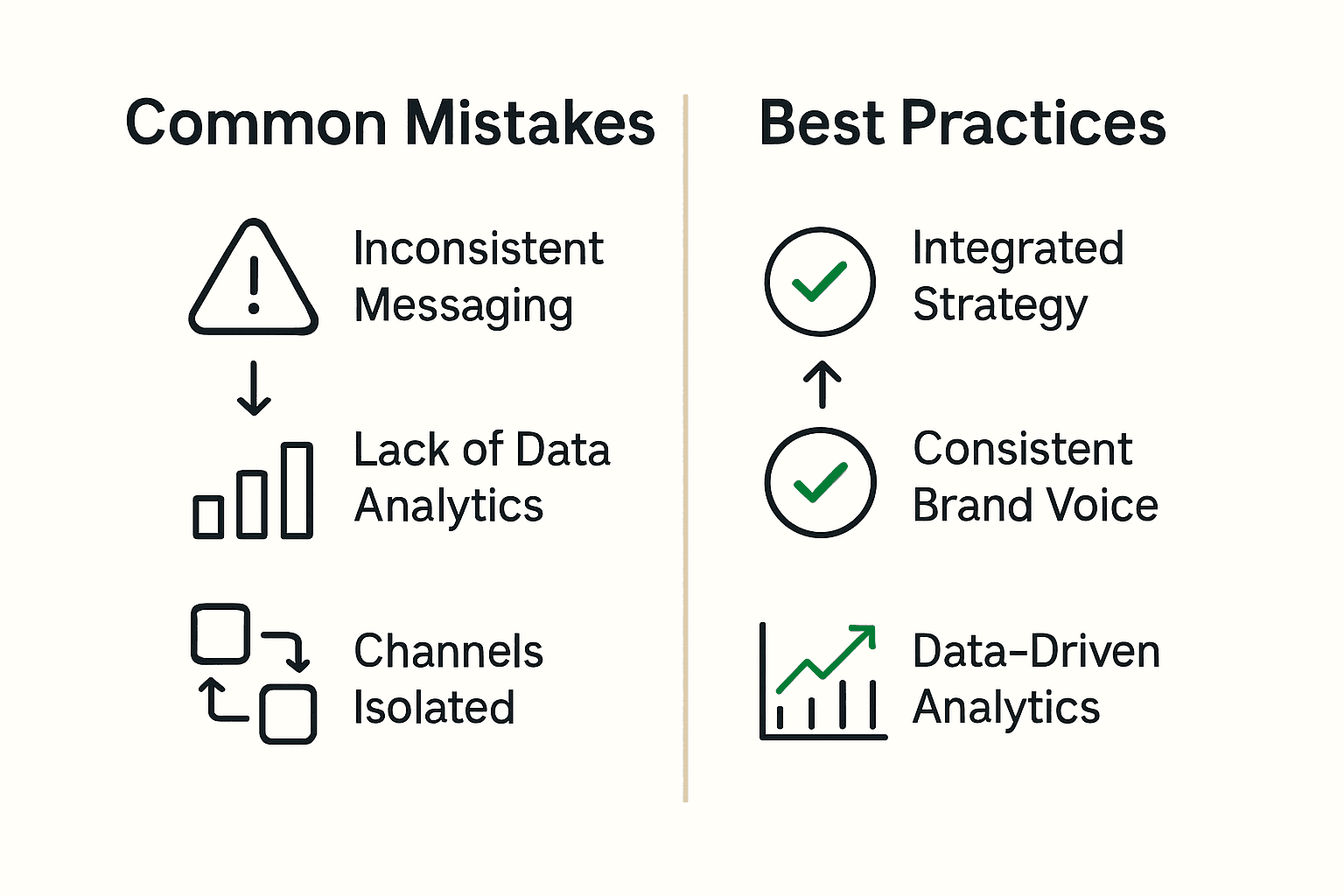
Navigating digital brand strategy requires understanding both potential pitfalls and proven approaches. Arxiv research emphasizes that maintaining consistent messaging has become increasingly challenging with the exponential growth of digital content, making integrated approaches critical for brand consistency.
Another Arxiv study highlights the complex relationship between digital and traditional marketing communication, revealing key insights into avoiding common strategic errors. Based on these findings, businesses should be aware of several critical mistakes and best practices:
Common Mistakes to Avoid:
- Inconsistent brand messaging across different digital platforms
- Neglecting audience segmentation and personalization
- Overlooking data analytics and performance measurement
- Treating digital channels as isolated marketing efforts
- Failing to adapt strategies to evolving digital landscapes
Best Practices for Success:
- Develop a comprehensive, integrated digital brand strategy
- Continuously monitor and analyze performance metrics
- Create personalized, audience-specific content
- Maintain consistent brand voice and visual identity
- Embrace agility and rapid strategic iterations
Businesses seeking to refine their digital approach can explore our step-by-step digital marketing strategy guide to implement these insights effectively and avoid potential strategic missteps.
Unlock the Power of a Strong Digital Brand Strategy Today
Struggling with creating a consistent and engaging brand identity across multiple digital platforms can feel overwhelming. This article highlights key challenges such as the need for clear brand positioning, cohesive visual identity, and strategic content planning that truly connects with your audience. If you want to avoid common mistakes like inconsistent messaging or missed opportunities in digital channels, now is the moment to act. Leveraging proven digital brand strategy concepts can transform your online presence and drive long-term growth.
At Web Spider Solutions, we specialize in crafting tailored digital marketing strategies that align perfectly with your brand goals. Whether you need expert SEO, content marketing, social media management, or end-to-end campaign optimization, we help you create meaningful digital experiences that build trust and increase your targeted leads. Explore our insights in the B2B Marketing Archives and discover how to apply integrated digital approaches that resonate. Ready to elevate your digital brand? Visit our website and start your journey toward a powerful brand presence now.
Frequently Asked Questions
What is a digital brand strategy?
A digital brand strategy is a comprehensive approach that businesses use to establish, communicate, and manage their brand identity across digital platforms. It connects with audiences through various online channels to create a consistent and recognizable online presence.
Why is a digital brand strategy important for businesses?
A digital brand strategy is important because it helps businesses engage target audiences, build trust and credibility, differentiate from competitors, and drive meaningful interactions that lead to business results in the digital marketplace.
What are the core elements of a digital brand strategy?
The core elements of a digital brand strategy include brand positioning, digital content strategy, visual identity, customer experience design, and performance metrics, all of which work together to create a cohesive online presence.
What are some common mistakes to avoid in digital brand strategy?
Common mistakes include inconsistent brand messaging, neglecting audience segmentation, overlooking data analytics, treating digital channels as isolated efforts, and failing to adapt to evolving digital landscapes.
Recommended