






Time and again, digital marketing managers find their teams grappling with evolving expectations as remote and hybrid work become everyday realities. This shift matters more than ever because technological innovation, demographic changes, and global disruptions are pushing companies to rethink how productivity and collaboration happen. You will uncover actionable insights into Future of Work trends that empower your team to adapt, thrive, and maintain a competitive edge in a rapidly changing SaaS environment.
Table of Contents
- Defining Future of Work Trends Today
- Key Drivers Transforming Work Environments
- Remote Work Models and Hybrid Collaboration
- Emerging Skills for Digital Marketing Pros
- Tech Integration and Team Productivity Impacts
- Navigating Risks, Compliance, and Well-Being Issues
Key Takeaways
| Point | Details |
|---|---|
| Remote and Hybrid Work Models | Organizations are adopting flexible work arrangements to access global talent and enhance productivity. |
| Technological Integration | Embracing AI, automation, and digital collaboration tools is essential for modern digital marketing professionals to remain competitive. |
| Continuous Learning and Adaptability | Professionals must prioritize ongoing skill development to navigate the evolving technological landscape effectively. |
| Holistic Risk Management | Organizations should balance innovation with employee well-being by implementing comprehensive risk management strategies. |
Defining Future of Work Trends Today
The Future of Work represents a dynamic transformation in how businesses and professionals conceptualize workplace productivity, collaboration, and operational strategies. At its core, this emerging paradigm reflects profound shifts driven by technological innovation, changing workforce demographics, and global economic restructuring. Emerging work models are fundamentally reshaping traditional employment frameworks.
Digital marketing teams are experiencing particularly significant disruptions, with several key trends emerging:
- Remote and Hybrid Work Models: Enabling global talent acquisition and flexible work arrangements
- Advanced Collaboration Technologies: Leveraging AI-powered communication and project management tools
- Skills-Based Employment: Prioritizing adaptable capabilities over static job descriptions
- Continuous Learning Ecosystems: Emphasizing ongoing professional development and upskilling
These trends are not merely theoretical projections but practical responses to rapidly evolving workplace dynamics. The Covid-19 pandemic accelerated many of these transformations, proving that organizations can maintain productivity and creativity through distributed, technology-enabled work environments.
Technological integration remains a critical driver of Future of Work trends. Digital marketing professionals must now navigate increasingly complex technological landscapes, requiring continuous learning and adaptability. Artificial Intelligence, machine learning, and automation technologies are reshaping job roles, creating opportunities for professionals who can effectively leverage these tools.
Pro tip: Invest in developing cross-functional digital skills and maintain a growth mindset to remain competitive in the evolving work ecosystem.
Here’s a comparison of traditional and future-focused work models for digital marketing teams:
| Aspect | Traditional Model | Future-Focused Model |
|---|---|---|
| Work Location | Office-based | Hybrid/Remote |
| Talent Acquisition | Local workforce | Global talent pool |
| Skill Development | Infrequent/manual trainings | Continuous, tech-driven upskilling |
| Collaboration | In-person meetings | Digital platforms, async tools |
| Performance Measurement | Time-based tracking | Outcome-based evaluation |
| Team Structure | Hierarchical | Agile and cross-functional |
Key Drivers Transforming Work Environments
Modern work environments are undergoing unprecedented transformation, driven by complex and interconnected global forces. Technological disruption and socioeconomic shifts are fundamentally redesigning how organizations structure work, recruit talent, and create value.
The primary drivers reshaping workplace dynamics include:
- Technological Innovation: Artificial intelligence, automation, and advanced digital tools
- Demographic Changes: Multigenerational workforce with diverse expectations
- Globalization: Borderless talent markets and distributed workforce models
- Sustainability Imperatives: Growing emphasis on environmental and social responsibility
- Employee Experience: Increased focus on mental health, work-life balance, and personal growth
Digital marketing teams are particularly susceptible to these transformative dynamics. The traditional hierarchical structure is giving way to more agile, collaborative, and technologically integrated work models. Professionals must now develop adaptive skill sets that transcend traditional job descriptions, embracing continuous learning and technological fluency.
Organizational resilience now depends on understanding and proactively responding to these systemic changes. Companies must invest in robust infrastructure, flexible policies, and comprehensive reskilling programs to remain competitive. The most successful organizations will be those that view these disruptions not as challenges, but as opportunities for innovation and strategic reimagination.
Pro tip: Develop a personal learning roadmap that anticipates technological trends and bridges skill gaps before they become critical.
Remote Work Models and Hybrid Collaboration
Remote and hybrid work models have emerged as transformative strategies for modern digital marketing teams, fundamentally reshaping how professionals collaborate and deliver value. Hybrid workplace ecosystems represent a nuanced approach to work that balances flexibility with strategic organizational goals.
Key characteristics of effective hybrid collaboration include:
- Technological Infrastructure: Robust digital communication and project management platforms
- Flexible Work Arrangements: Customizable schedules accommodating individual and team needs
- Performance Metrics: Outcome-based evaluation replacing traditional time-tracking methods
- Cultural Integration: Strategies to maintain team cohesion across physical and digital spaces
- Continuous Learning: Adaptive training programs supporting remote skill development
Digital marketing professionals must develop advanced digital collaboration skills that transcend traditional office interactions. This involves mastering asynchronous communication tools, creating transparent workflows, and maintaining high levels of individual accountability while supporting team objectives.
Successful hybrid models require deliberate organizational design. Companies must invest in comprehensive technological solutions, develop clear remote work policies, and create inclusive communication strategies that bridge physical and digital work environments. The most effective organizations will treat hybrid collaboration as a holistic system, not just a temporary accommodation.
Pro tip: Implement weekly virtual team rituals that build connection and maintain cultural alignment across remote and in-office team members.
Emerging Skills for Digital Marketing Pros
The digital marketing landscape is rapidly evolving, demanding professionals develop a sophisticated blend of technological and creative capabilities. Digital marketing skills transformation represents a critical challenge for professionals seeking to remain competitive in an increasingly complex ecosystem.
Key emerging skills for digital marketing professionals include:
- Artificial Intelligence Integration: Understanding and leveraging AI-powered marketing tools
- Data Analytics Proficiency: Advanced interpretation of complex digital performance metrics
- Cross-Platform Content Strategy: Creating cohesive narratives across multiple digital channels
- Technological Literacy: Rapid adaptation to emerging digital platforms and communication technologies
- Human-AI Collaboration: Developing skills that complement and enhance AI-driven marketing processes
Digital marketers must cultivate advanced technological capabilities that go beyond traditional marketing knowledge. This requires a commitment to continuous learning, embracing interdisciplinary skills that blend technological understanding with creative communication strategies. Professionals who can seamlessly navigate between data analysis, creative content development, and technological implementation will become increasingly valuable.
The most successful digital marketing professionals will approach skill development as a holistic journey, combining technical expertise with strategic thinking and emotional intelligence. Organizations are increasingly seeking team members who can not only use technological tools but also interpret complex data, create compelling narratives, and adapt quickly to rapidly changing digital landscapes.
Pro tip: Dedicate at least five hours per week to learning new digital marketing technologies and experimental skill development.
Below is a summary of key skill areas driving digital marketing excellence in the future of work:
| Skill Area | Description | Strategic Benefit |
|---|---|---|
| AI & Automation | Using smart tools for campaigns | Increased efficiency and insight |
| Data Literacy | Analyzing metrics to guide decisions | Better targeting and ROI |
| Content Strategy | Developing cross-channel narratives | Consistent brand presence |
| Tech Adaptability | Quickly learning new platforms | Staying ahead of trends |
| Human-AI Collaboration | Balancing automation and creativity | Enhanced innovation and results |
Tech Integration and Team Productivity Impacts
Digital collaboration technologies are fundamentally transforming team productivity, creating unprecedented opportunities for performance optimization and organizational agility. The integration of advanced technological ecosystems enables digital marketing teams to transcend traditional workplace limitations and achieve more dynamic, responsive work environments.
Key productivity-enhancing technological integrations include:
- Real-Time Collaboration Platforms: Enabling seamless communication across distributed teams
- AI-Powered Analytics Tools: Providing instant performance insights and predictive modeling
- Cloud-Based Project Management Systems: Supporting flexible, transparent workflow tracking
- Automated Workflow Optimization: Reducing repetitive tasks and enhancing efficiency
- Integrated Learning Management Systems: Supporting continuous skill development
Digital marketing teams must develop strategic technological adaptability, understanding that tech integration is not just about implementing tools, but creating holistic, interconnected work ecosystems. Successful organizations recognize that technological solutions must be carefully aligned with team culture, individual working styles, and specific organizational objectives.
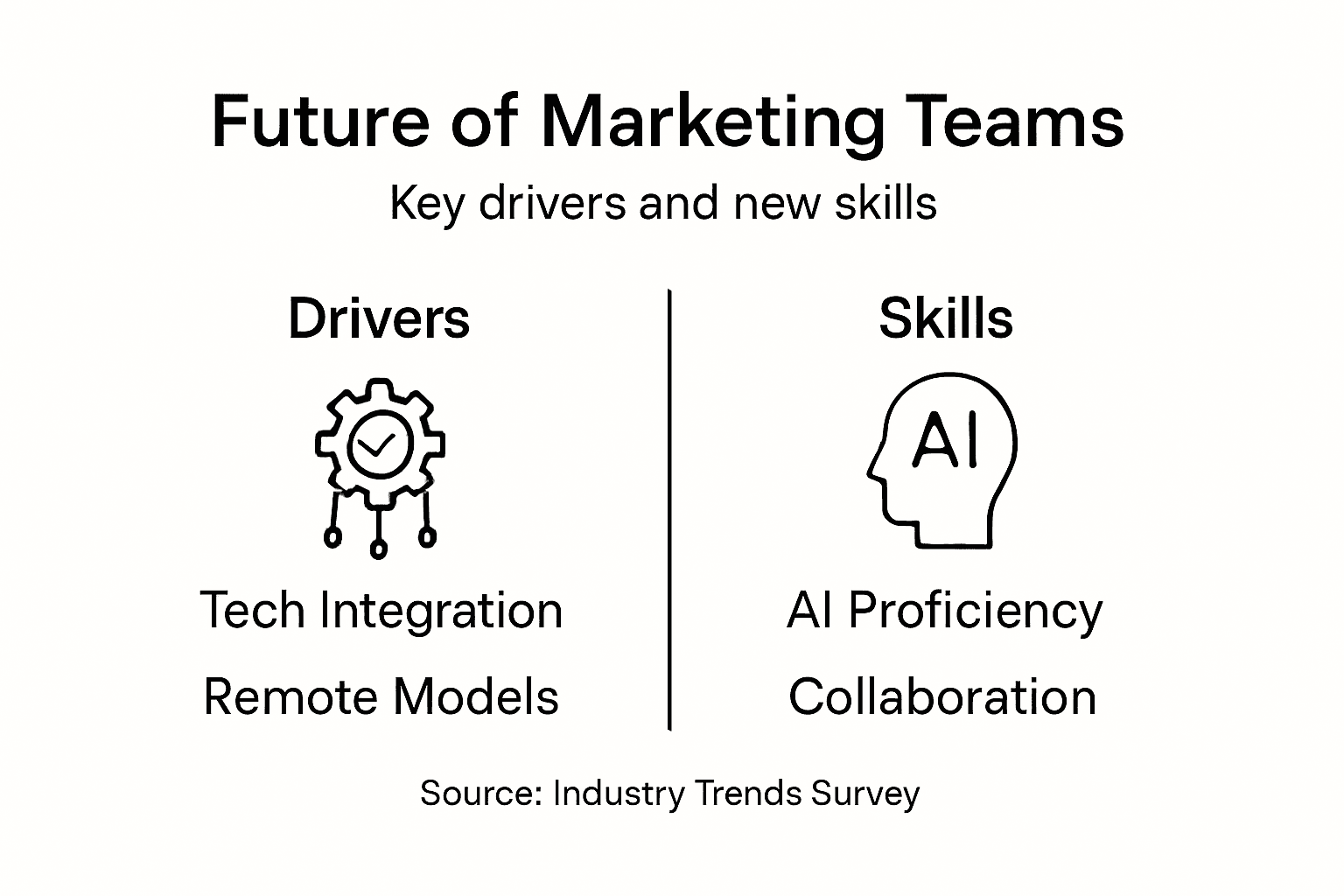
The most effective tech integrations go beyond mere productivity enhancement, creating environments that support employee creativity, collaboration, and professional growth. By thoughtfully implementing adaptive digital infrastructures, organizations can create resilient, responsive teams capable of navigating complex, rapidly changing marketing landscapes.
Pro tip: Conduct quarterly technology audits to assess and realign your digital collaboration tools with evolving team needs and emerging technological capabilities.
Navigating Risks, Compliance, and Well-Being Issues
Workplace risk management has become increasingly complex in digital marketing environments, demanding comprehensive strategies that balance technological innovation with human-centric approaches. Modern organizations must develop nuanced frameworks that protect both organizational integrity and employee well-being.
Key considerations for risk management and compliance include:
- Data Privacy Protocols: Implementing robust protection mechanisms for sensitive information
- Cybersecurity Readiness: Developing comprehensive defense strategies against digital threats
- Mental Health Support: Creating sustainable work environments that prevent professional burnout
- Regulatory Compliance: Staying updated with evolving labor and digital workplace regulations
- Psychological Safety: Fostering inclusive cultures that support employee vulnerability and growth
Digital marketing teams must develop holistic risk management capabilities that transcend traditional compliance checklists. This requires a proactive approach that integrates technological safeguards, legal understanding, and empathetic leadership practices. Successfully navigating these challenges means creating adaptive systems that respond dynamically to emerging risks and organizational needs.
The most effective risk management strategies recognize the interconnected nature of technological, legal, and human factors. Organizations must develop comprehensive frameworks that view compliance not as a constraint, but as an opportunity to build trust, enhance team resilience, and create more sustainable work ecosystems.
Pro tip: Implement quarterly risk assessment workshops that involve team members from diverse roles and perspectives to identify potential vulnerabilities.
Unlock the Full Potential of Your Digital Marketing Team in the Future of Work
Navigating the evolving landscape of remote and hybrid work models while mastering emerging skills like AI integration and data analytics can be overwhelming. The article highlights key challenges such as adopting continuous learning ecosystems, leveraging advanced collaboration technologies, and shifting toward outcome-based performance measurement. If your digital marketing team struggles with these transitions or needs to embrace new tech-driven strategies to stay competitive, targeted support is essential.
At WebSpidersolutions, we specialize in transforming digital marketing operations to align with Future of Work trends. Our comprehensive services in SEO, paid advertising, and content marketing are designed to enhance your team’s technological fluency and productivity. We help you implement data-driven strategies and optimize your online presence with tools that empower remote collaboration and continuous growth. Don’t let the fast pace of change leave your business behind.
Take control of your digital future today. Visit WebSpidersolutions to request your free SEO audit or consultation. Partner with us to build agile, tech-savvy marketing teams that dominate your digital market with confidence and deliver sustained success.
Frequently Asked Questions
What are the key trends shaping the future of digital marketing teams?
The key trends include remote and hybrid work models, advanced collaboration technologies, skills-based employment, and continuous learning ecosystems.
How can digital marketing professionals effectively adapt to new technological tools?
Digital marketing professionals can adapt by committing to continuous learning, developing cross-functional digital skills, and staying updated on emerging technologies.
What skills are becoming increasingly important for digital marketing in the future?
Important skills include AI integration, data analytics proficiency, cross-platform content strategy, technological literacy, and human-AI collaboration.
How does adopting hybrid work models impact team collaboration in digital marketing?
Hybrid work models enhance collaboration by enabling flexible work arrangements, using robust digital communication tools, and promoting asynchronous workflows, which support diverse team dynamics.
Recommended