






Over sixty percent of American B2B buyers start their journey with an online search, making strong on page SEO more than just a trend for SaaS companies. Every marketing manager knows the sting of watching well crafted content slip past page one rankings. This guide outlines practical steps for SaaS teams to master keyword research, craft compelling titles, and build a content structure that appeals to both search engines and human readers.
Table of Contents
- 1. Conduct In-Depth Keyword Research For Target Pages
- 2. Optimize Title Tags And Meta Descriptions Effectively
- 3. Structure Content Using Proper Heading Hierarchy
- 4. Enhance Internal Linking For Better Crawling
- 5. Use Seo-Friendly Urls For All Landing Pages
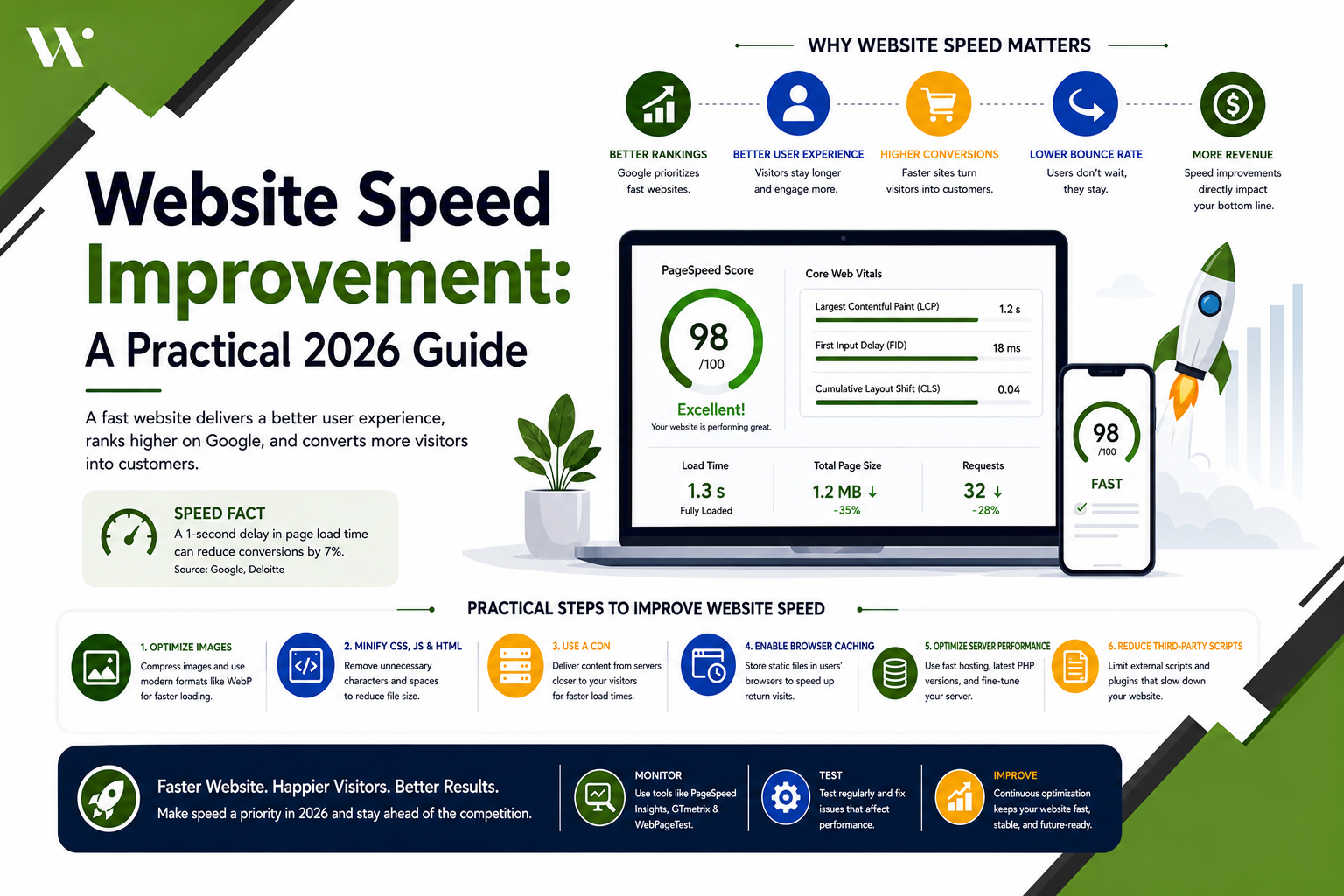
- 6. Improve Page Load Speed And Mobile Experience
- 7. Optimize Images With Descriptive Alt Text
Quick Summary
| Key Message | Explanation |
|---|---|
| 1. Conduct thorough keyword research | Identify seed keywords to unveil long tail keywords for targeted content creation that matches user search intent. |
| 2. Optimize title tags and meta descriptions | Craft engaging title tags and meta descriptions with keywords to improve click-through rates and search visibility. |
| 3. Use a clear heading structure | Implement a logical heading hierarchy to enhance readability and help search engines understand content relevance. |
| 4. Improve internal linking strategies | Create meaningful connections between pages to boost search engine crawling and enhance user navigation across your site. |
| 5. Optimize page load speed for mobile | Focus on speed optimization to reduce bounce rates and enhance user experience, especially for mobile users. |
1. Conduct In-Depth Keyword Research for Target Pages
Keyword research forms the foundation of successful on page SEO strategies for SaaS marketing teams. Understanding the precise search terms your potential customers use allows you to craft content that directly addresses their needs and improves organic search visibility.
Starting keyword research requires a strategic approach. Begin by identifying seed keywords related to your SaaS product or service. These initial terms will help you uncover more specific long tail keywords that potential customers actually search for. Tools like Google Keyword Planner and SEMrush can help you analyze search terms with precision.
When evaluating potential keywords, consider three critical metrics:
- Search Volume: How many people are searching for this term monthly
- Keyword Difficulty: How challenging it will be to rank for this keyword
- Search Intent: What users actually want when searching this term
Focus on keywords with moderate competition and clear commercial or informational intent. Long tail keywords often provide better targeting opportunities for SaaS companies because they represent more specific user queries.
To refine your keyword strategy, group related keywords into topic clusters. This approach helps you create comprehensive content that covers multiple related search queries and signals topical expertise to search engines.
Pro tip: Update your keyword research quarterly to stay aligned with changing market trends and user search behaviors.
2. Optimize Title Tags and Meta Descriptions Effectively
Title tags and meta descriptions are your first point of contact with potential customers in search results. These critical elements not only impact search engine rankings but also determine whether users decide to click through to your SaaS website.
Crafting compelling title tags requires strategic thinking. Meta titles define your webpage’s core identity and should include primary keywords while remaining concise. Aim to keep title tags under 60 characters to ensure they display completely in search results, using a format that balances informative content with engaging language.
Best Practices for Title Tags:
- Include your primary target keyword near the beginning
- Represent your brand’s unique value proposition
- Avoid keyword stuffing
- Make each page’s title tag unique
Meta descriptions provide a brief summary that convinces users to click. While not a direct ranking factor, they significantly influence click through rates. A well written meta description acts like a mini advertisement for your content, explaining exactly what value users will receive.
Key Elements of Effective Meta Descriptions:
- Summarize page content accurately
- Include a compelling call to action
- Stay between 150 and 160 characters
- Incorporate primary and secondary keywords naturally
Remember that search engines like Google may sometimes generate their own descriptions, but providing a high quality meta description increases the likelihood of your preferred text being displayed.
Pro tip: Use action oriented language and create a sense of urgency in your meta descriptions to improve user engagement and click through rates.
3. Structure Content Using Proper Heading Hierarchy
Heading hierarchy is the backbone of content organization that guides readers through your SaaS marketing content and signals important information to search engines. Effective content structuring transforms complex information into easily digestible sections.
Why Heading Hierarchy Matters:
- Improves content readability
- Helps search engines understand page structure
- Enhances user experience
- Supports better information comprehension
When creating heading hierarchies, start with an H1 for your main page title. Subsequent headings (H2, H3, H4) should follow a logical and sequential order. Each heading level represents a different tier of information importance. Think of it like an outline where main topics get H2 status, subtopics receive H3 treatment, and specific details occupy H4 positions.
Best Practices for Heading Structure:
- Use only one H1 tag per page
- Ensure headings are descriptive and meaningful
- Maintain consistent formatting across headings
- Include target keywords naturally in headings
- Avoid skipping heading levels unnecessarily
Search engines use heading structures to comprehend content context and relevance. A well organized heading hierarchy signals clear, structured information that both humans and algorithms can easily navigate.
For SaaS marketing content, this means creating a clear roadmap that guides potential customers through your messaging. Your headings should tell a story that addresses user questions and demonstrates your solution’s value.
Pro tip: Read your headings separately from body text to verify they communicate a clear narrative and make sense in sequence.
4. Enhance Internal Linking for Better Crawling
Internal linking is the strategic practice of connecting pages within your website to improve search engine crawling, user navigation, and overall site authority. Effective internal linking creates a robust web of content that guides both users and search engine bots through your site.
Why Internal Linking Matters:
- Helps search engines discover and index content
- Distributes page authority across your website
- Improves user experience and site navigation
- Reduces bounce rates
- Establishes content hierarchy and topical relevance
When implementing internal links, focus on creating a logical and meaningful connection between pages. Avoid random linking strategies. Instead, link content that provides genuine value and context. Each internal link should serve a clear purpose either by helping users find related information or by demonstrating the relationship between different pieces of content.
Best Practices for Internal Linking:
- Use descriptive anchor text that indicates the linked page’s content
- Link from high authority pages to important conversion pages
- Create topic clusters with pillar content and supporting articles
- Ensure links are contextually relevant
- Maintain a reasonable number of links per page
Your goal is to create a navigational structure that feels intuitive. Think of internal linking like building a roadmap for your website where each link represents a meaningful connection that guides users deeper into your content ecosystem.
Pro tip: Conduct a quarterly internal link audit to remove broken links and optimize your site’s link structure for maximum SEO performance.
5. Use SEO-Friendly URLs for All Landing Pages
Your website’s URL structure serves as a critical first impression for both search engines and potential customers. SEO-friendly URLs can significantly improve your page’s discoverability and user experience.
Key Characteristics of Effective URLs:
- Keep URLs concise and descriptive
- Include primary keywords
- Use lowercase letters
- Separate words with hyphens
- Avoid complex parameters or unnecessary characters
When crafting URLs for SaaS landing pages, think of them as a compact narrative that instantly communicates page content. A well-structured URL provides immediate context about the page’s purpose. For example, instead of a generic URL like “website.com/page123”, use “website.com/saas-marketing-analytics” to offer clear, meaningful information.
Best Practices for URL Optimization:
- Limit URL length to 50 to 60 characters
- Place important keywords near the beginning
- Remove stop words like “and” or “the”
- Create a logical hierarchical structure
- Maintain consistency across your website
Consider your URL as a mini marketing opportunity. It should be readable by humans and easily interpretable by search engine algorithms. A strategic URL can improve click through rates and provide an immediate sense of what users will find on the page.
Pro tip: Conduct a quarterly URL audit to ensure all landing page URLs remain clean, relevant, and aligned with your current content strategy.
6. Improve Page Load Speed and Mobile Experience
In the digital age, your website’s performance can make or break user engagement especially for SaaS platforms where milliseconds matter. Mobile page speed optimization is crucial as over half of internet users access content through mobile devices.
Why Page Speed Matters:
- Reduces user bounce rates
- Improves search engine rankings
- Increases conversion potential
- Enhances overall user experience
- Signals professional website management
Slow loading times can devastate your SaaS marketing efforts. Research shows that users expect websites to load within two seconds and will abandon pages that take longer. Optimizing page speed requires a multifaceted approach targeting both technical performance and user experience.
Key Optimization Strategies:
- Compress and optimize images
- Minimize HTTP requests
- Enable browser caching
- Use Content Delivery Networks (CDN)
- Implement lazy loading for images
- Reduce server response times
- Minify JavaScript and CSS files
Mobile optimization goes beyond speed. Ensure your website provides a seamless responsive design that adapts to different screen sizes. This means creating touch friendly interfaces, readable fonts, and intuitive navigation for mobile users.
Pro tip: Run monthly performance audits using tools like Google PageSpeed Insights to continuously monitor and improve your website loading times.
7. Optimize Images with Descriptive Alt Text
Image optimization is a critical yet often overlooked aspect of SaaS website SEO that goes far beyond visual appeal. Alt text serves as a crucial bridge between visual content and search engine understanding.
Why Alt Text Matters:
- Improves website accessibility
- Enhances search engine indexing
- Supports visually impaired users
- Provides context for image content
- Boosts potential image search rankings
Alt text acts as a textual description for images, allowing screen readers to communicate visual information and helping search engines comprehend image context. When crafting alt text, focus on creating clear, descriptive phrases that accurately represent the image while incorporating relevant keywords naturally.
Best Practices for Alt Text:
- Keep descriptions concise (under 125 characters)
- Use specific and descriptive language
- Include relevant keywords without stuffing
- Avoid redundant phrases like “image of”
- Describe the image’s purpose or function
- Maintain accuracy and relevance
For SaaS marketing images like screenshots, infographics, or product illustrations, alt text becomes particularly important. Instead of generic descriptions, provide meaningful context that explains the image’s significance to potential users.
Pro tip: Create a standardized alt text template for different image types to maintain consistency across your website.
Below is a comprehensive table summarizing the on-page SEO strategies for SaaS marketing presented in the article.
| Strategy | Implementation Steps | Benefits |
|---|---|---|
| Keyword Research | Identify seed keywords; analyze metrics such as search volume, keyword difficulty, and user intent; update research quarterly. | Craft precise content targeting potential customers, improve organic visibility. |
| Title Tags Optimization | Include primary keywords, keep concise (under 60 characters), highlight brand value proposition. | Increase search rankings, improve click-through rates. |
| Content Structuring | Use a clear heading hierarchy with logical progression (H1, H2, etc.), include natural keywords. | Enhance readability, improve search engine understanding. |
| Internal Linking | Link relevant pages contextually, use descriptive anchor text, audit links regularly. | Improve navigation, boost page authority, enhance user experience. |
| SEO-Friendly URLs | Create concise, keyword-rich URLs; avoid unnecessary characters or complex parameters. | Enhance discoverability, improve user comprehension, signal content relevance. |
| Page Speed Optimization | Compress images, enable caching, use CDNs, conduct performance audits. | Reduce bounce rates, enhance user experience, boost conversions. |
| Image Alt Text | Write concise (under 125 characters), descriptive text including relevant keywords. | Improve accessibility, enhance search indexing, support visually impaired users. |
Boost Your SaaS Marketing with Proven SEO Strategies
Struggling to implement the perfect on-page SEO tactics that truly elevate your SaaS product’s visibility? This article highlights crucial challenges such as keyword research, optimizing title tags, heading structure, and internal linking that many SaaS marketers face. You need targeted solutions that improve your organic rankings, enhance user experience, and deliver measurable growth through technical SEO and content optimization.
At Web Spider Solutions, we understand the pain points of crafting comprehensive SEO strategies tailored specifically for B2B SaaS companies. Our expert team leverages the latest techniques in keyword intent analysis, SEO-friendly URL structuring, and page speed improvement to help you dominate your competitive digital market. Explore our insights on emerging technologies and digital innovation through the Artificial Intelligence Archives. Ready to transform your SEO approach? Visit our main site and get started on achieving long-term organic growth with a custom plan designed just for your SaaS business.
Take the first step toward unlocking your website’s full potential by requesting a free SEO audit today. Discover how focused strategies and expert guidance can turn your SEO challenges into opportunities at Web Spider Solutions.
Frequently Asked Questions
What are the key benefits of conducting in-depth keyword research for my SaaS marketing?
Conducting in-depth keyword research helps identify the specific terms potential customers use, enhancing the relevance of your content. Start by identifying seed keywords related to your product and expand to long-tail keywords to improve targeting.
How can I optimize title tags and meta descriptions for better click-through rates?
To optimize title tags and meta descriptions, include primary keywords and create a compelling value proposition that encourages clicks. Aim for title tags under 60 characters and meta descriptions between 150-160 characters to ensure they display fully in search results.
Why is heading hierarchy important in content organization?
Establishing a proper heading hierarchy improves readability and helps search engines understand your content’s structure. Use a clear H1 for the main title, followed by logical H2, H3, and H4 headings to organize topics, making it easier for users to navigate your content.
What strategies can I use to enhance internal linking on my website?
Enhancing internal linking involves creating meaningful connections between related pages to improve navigation and search engine crawling. Focus on using descriptive anchor text and link relevant content to provide additional value to users and promote better understanding of your site’s structure.
How do I create SEO-friendly URLs for my SaaS landing pages?
To create SEO-friendly URLs, keep them concise, descriptive, and include primary keywords. For example, use “website.com/saas-marketing-analytics” rather than generic formats, ensuring they communicate the page’s purpose clearly while being easy for users to read.
What steps can I take to improve page load speed for my SaaS website?
Improving page load speed involves optimizing images, minimizing HTTP requests, and utilizing browser caching. Regularly audit your website’s performance and aim to reduce loading times to under two seconds to enhance user experience and retention.