







More than 60 percent of website visits now happen on mobile devices, a reality that is reshaping how American and international businesses approach digital strategy. For digital marketing managers at SaaS companies, ignoring mobile optimization risks missing out on key conversions and user engagement. This guide demystifies mobile optimization, explains why it is vital for increasing satisfaction and revenue, and outlines practical strategies to give your SaaS brand a competitive edge.
Table of Contents
- What Is Mobile Optimization And Why It Matters
- Types Of Mobile Optimization Approaches
- Key Features For Seamless Mobile Experience
- Consequences Of Poor Mobile Optimization
- Optimizing For Conversions And Engagement
Key Takeaways
| Point | Details |
|---|---|
| Mobile Optimization Is Essential | Over 60% of global web traffic comes from mobile devices, making mobile optimization a priority for businesses. |
| Adopt a Mobile-First Design Approach | Prioritizing essential content and core user needs transforms the design of digital products for better mobile experiences. |
| Implement Multiple Optimization Strategies | Combining responsive design, performance optimization, content adaptation, and hybrid methods helps create seamless mobile interactions. |
| Monitor Performance and User Feedback | Regular usability testing and performance audits are crucial for refining mobile experiences and addressing optimization gaps. |
What Is Mobile Optimization and Why It Matters
Mobile optimization represents a strategic approach to designing digital experiences that seamlessly adapt to the diverse range of mobile devices users rely on today. At its core, mobile optimization focuses on creating web content that provides an acceptable experience regardless of device capabilities, ensuring that websites function effectively across smartphones, tablets, and other mobile platforms.
The significance of mobile optimization stems from the dramatic shift in internet usage patterns. With over 60% of global web traffic now originating from mobile devices, businesses can no longer treat mobile experiences as secondary considerations. A mobile-first design approach helps prioritize essential content and core user needs, transforming how digital products are conceptualized and delivered. This methodology goes beyond simple responsiveness, requiring designers and developers to fundamentally rethink user interactions for smaller screens and touch-based interfaces.
Key aspects of effective mobile optimization include responsive design, accelerated page loading, touch-friendly navigation, and content adaptation. Websites must dynamically adjust layouts, compress images, minimize code, and streamline user interactions to create smooth, intuitive mobile experiences. Technical considerations like page speed, touch target sizes, and readable typography become critical factors in maintaining user engagement and preventing high bounce rates.
Expert Tip: Conduct regular mobile usability testing using real devices to identify and address potential friction points in your mobile user experience.
Types of Mobile Optimization Approaches
Mobile optimization encompasses several strategic approaches designed to enhance digital experiences across diverse mobile platforms. Performance optimization techniques range from technical improvements to comprehensive system-level interventions, addressing critical aspects like responsiveness, loading speed, memory efficiency, and overall user experience.
The primary mobile optimization approaches can be categorized into four fundamental strategies. Responsive Design focuses on creating flexible layouts that automatically adjust to different screen sizes and orientations. Performance Optimization targets technical improvements like minimizing code, compressing images, and reducing server response times. Content Adaptation involves tailoring content presentation and functionality to match mobile device capabilities, ensuring readable typography and touch-friendly interfaces. Hybrid Optimization Methods integrate advanced techniques including AI-driven solutions and algorithmic approaches to enhance mobile application performance, providing more sophisticated optimization beyond traditional techniques.

Each optimization approach addresses specific challenges in mobile user experience. Responsive design ensures visual consistency, performance optimization improves speed and efficiency, content adaptation enhances readability, and hybrid methods introduce intelligent, dynamic optimization capabilities. These strategies work synergistically to create seamless, high-performing mobile experiences that meet the increasingly complex demands of modern digital consumers.
Here’s a comparison of the main mobile optimization approaches and their business impact:
| Approach | Key Focus | Ideal Use Case | Business Impact |
|---|---|---|---|
| Responsive Design | Flexible layouts | Multi-device web platforms | Enhances accessibility |
| Performance Optimization | Fast load times | E-commerce, high-traffic sites | Increases user retention |
| Content Adaptation | Tailored content | Apps with adaptive features | Improves engagement |
| Hybrid Optimization | Intelligent solutions | Advanced mobile applications | Maximizes conversion rates |
Pro Tip: Implement a comprehensive mobile optimization strategy that combines multiple approaches, regularly testing and iterating to achieve the most effective user experience.
Key Features for Seamless Mobile Experience
Comprehensive interface design and user experience principles form the foundation of seamless mobile experiences, transforming how digital platforms engage and retain mobile users. These critical features go beyond simple visual design, encompassing a holistic approach to creating intuitive, responsive, and efficient mobile interactions that meet users’ evolving expectations.
Key features that drive a seamless mobile experience include Adaptive Interface Design, Intuitive Navigation, and Performance Optimization. Adaptive interfaces dynamically adjust to different screen sizes and user contexts, ensuring consistent functionality across devices. Intuitive navigation minimizes user cognitive load by reducing steps to critical features and creating clear, logical user pathways. Performance optimization focuses on rapid loading times, smooth transitions, and minimal resource consumption, which are essential for maintaining user engagement.
Mobile-first design strategies emphasize creating experiences that prioritize user efficiency, personalization, and immediate feedback. This approach involves implementing intelligent features like context-aware interfaces, predictive user interactions, and streamlined information architecture. Advanced mobile experiences leverage techniques such as gesture-based controls, voice interactions, and personalized content recommendations to create more natural and engaging digital interactions.
Pro Tip: Conduct regular usability testing with diverse user groups to continuously refine and optimize your mobile experience, ensuring your interface remains intuitive and responsive to changing user needs.
Consequences of Poor Mobile Optimization
Poor mobile optimization creates cascading negative impacts that can devastate digital business performance, transforming potential user engagement into lost opportunities. These consequences extend far beyond simple inconvenience, representing critical business risks that can fundamentally undermine digital growth strategies.
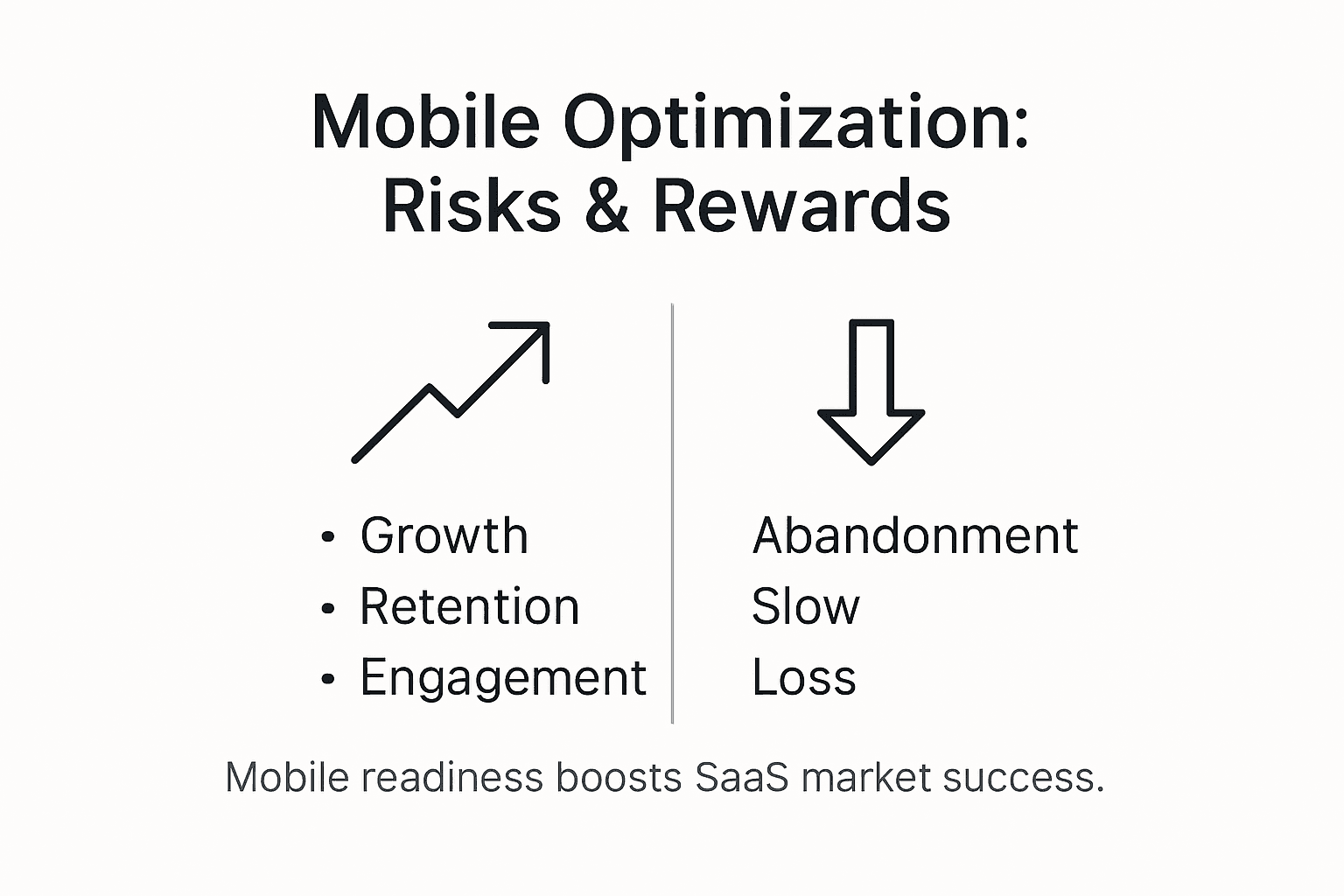
The immediate consequences of suboptimal mobile experiences include dramatically increased user abandonment and reduced conversion rates. Slow loading times, unresponsive interfaces, and complex navigation can trigger instant user frustration, with research indicating that even a one-second delay can reduce conversion rates by up to 20%. Technical performance issues like excessive resource consumption and unreliable functionality directly contribute to higher uninstall rates and negative application reviews, creating long-term reputation damage for digital platforms.
Beyond immediate user experience challenges, poor mobile optimization generates broader strategic consequences. Businesses with ineffective mobile experiences risk significant revenue loss, reduced market competitiveness, and diminished brand perception. Search engines like Google penalize poorly optimized mobile sites by lowering their search rankings, effectively reducing digital visibility and organic traffic potential. The cumulative effect transforms mobile optimization from a technical consideration into a critical business imperative that directly influences growth, reputation, and long-term sustainability.
The following table summarizes the consequences of poor mobile optimization and how they affect business outcomes:
| Negative Outcome | Direct Effect | Long-Term Impact |
|---|---|---|
| Increased user abandonment | Higher bounce rates | Loss of market share |
| Slower loading times | Reduced conversions | Lower search rankings |
| Unresponsive interfaces | User frustration | Harmed brand reputation |
| Technical issues | More negative reviews | Declining app installs |
Pro Tip: Regularly conduct comprehensive mobile performance audits using real-world devices and diverse network conditions to proactively identify and address potential optimization gaps.
Optimizing for Conversions and Engagement
Mobile conversion optimization requires a strategic approach that goes beyond traditional website design, focusing on creating seamless, intuitive experiences that transform casual visitors into committed users. Advanced engagement strategies leverage sophisticated techniques like personalization algorithms and adaptive user experience design, enabling businesses to create more responsive and compelling mobile interactions.
The core principles of mobile conversion optimization center on understanding and anticipating user behavior. This involves implementing user-centric design elements such as streamlined navigation, contextual content delivery, and frictionless conversion paths. Critical techniques include minimizing form fields, providing clear value propositions, utilizing prominent call-to-action buttons, and creating mobile-specific user journeys that reduce cognitive load and eliminate unnecessary steps in the conversion process.
Technical and psychological optimization strategies play crucial roles in driving mobile engagement. Performance metrics like page load speed, interactive responsiveness, and smooth transitions directly impact user perception and conversion likelihood. Psychological triggers such as social proof, urgency indicators, and personalized recommendations can significantly enhance mobile user motivation, transforming passive browsing into active engagement and increasing the probability of converting mobile traffic into tangible business outcomes.
Pro Tip: Implement A/B testing for mobile interfaces, focusing on incremental changes that systematically improve user experience and conversion rates.
Unlock SaaS Growth with Expert Mobile Optimization
The article highlights crucial challenges SaaS companies face with mobile optimization including slow loading times, poor user experiences, and lost conversions. These pain points hurt your ability to engage mobile users and maximize revenue. Key concepts like performance optimization, content adaptation, and hybrid solutions show how refining mobile experiences is essential to stand out in competitive digital markets.
At Web Spider Solutions, we specialize in transforming these challenges into growth opportunities through tailored strategies that combine technical SEO, responsive web design, and targeted app marketing. Our approach ensures your SaaS platform loads fast, adapts seamlessly to all devices, and drives higher user retention. Explore real success stories and advanced tactics in our Stories Archives to see how mobile optimization directly impacts conversion rates.
Are you ready to stop losing mobile visitors and start dominating your market with a seamless mobile experience Visit Web Spider Solutions today and request your free SEO audit Let us help you boost engagement and grow your SaaS business with proven digital marketing solutions designed for mobile success.
Frequently Asked Questions
What is mobile optimization and why is it important for SaaS?
Mobile optimization is the process of designing digital experiences that adapt effectively to various mobile devices. It’s crucial for SaaS because over 60% of global web traffic comes from mobile devices, making it essential for user engagement and retention.
How can mobile optimization improve user engagement for SaaS products?
By ensuring a seamless mobile experience with fast load times, intuitive navigation, and adaptive content, mobile optimization helps keep users engaged, reducing bounce rates and increasing the likelihood of conversions.
What are the key features of mobile optimization that drive growth in SaaS?
Key features include responsive design, fast loading speeds, touch-friendly navigation, and content adaptation. These elements collectively enhance the user experience on mobile devices, leading to higher retention and satisfaction rates.
How can poor mobile optimization impact SaaS growth?
Poor mobile optimization can result in increased user abandonment, lower conversion rates, and negative reviews, ultimately harming brand reputation and reducing market competitiveness, which can significantly impede SaaS growth.