Watching visitors leave a site without a single click can be frustrating for any digital marketing manager. Bounce rate measures this exact scenario, capturing the percentage of users who exit after viewing just one page. This metric goes beyond a simple number, signaling how well your content connects with real people and where your website might lose engagement. You will discover strategies to make your bounce rate a meaningful tool for improving both user experience and conversion rates.
Table of Contents
- Bounce Rate Defined For Digital Marketers
- How Bounce Rate Is Calculated And Tracked
- Common Misconceptions About Bounce Rate Metrics
- Major Causes Of High Bounce Rates
- Bounce Rate Versus Other Engagement Metrics
- Effective Strategies To Reduce Bounce Rate
Key Takeaways
| Point | Details |
|---|---|
| Understanding Bounce Rate | Bounce rate is crucial for gauging website engagement and is best analyzed alongside other user metrics for a complete picture. |
| High Bounce Rates | A high bounce rate doesn’t always indicate failure; context is essential for interpretation based on website goals. |
| Improving User Experience | To reduce bounce rates, focus on enhancing page speed, navigation, and content relevance to foster user engagement. |
| Use Comprehensive Metrics | Combine bounce rate with other engagement metrics like time on page and conversion rates for better insight into user behavior. |
Bounce Rate Defined for Digital Marketers
For digital marketers, bounce rate represents a critical metric that reveals how engaging website content truly is. A percentage indicating user interaction, bounce rate measures the number of visitors who arrive on a webpage and depart without exploring additional site pages or taking meaningful actions.
Understanding bounce rate involves recognizing its core calculation method. Bounce rate is determined by dividing single-page visits by total site visits, then converting that figure to a percentage. For most digital marketing scenarios, a good bounce rate typically falls between 40-60 percent, though ideal ranges can vary significantly across different industries and website types.
Key characteristics of bounce rate include:
- Measures initial visitor engagement
- Reflects content relevance and user experience
- Indicates potential issues with webpage design
- Helps identify potential conversion barriers
Website performance directly correlates with bounce rate, making it a crucial metric for digital marketing strategies. Coursera research suggests that lower bounce rates generally indicate more compelling content that encourages visitor exploration.
Pro tip: Track your website’s bounce rate consistently and analyze it alongside other user engagement metrics to develop a comprehensive understanding of your digital performance.
How Bounce Rate Is Calculated and Tracked
Calculating bounce rate is a straightforward yet precise process that involves tracking user interactions across websites. Percentage-based measurement techniques allow digital marketers to understand how visitors engage with their online content by examining single-page visits compared to total site traffic.
The mathematical formula for bounce rate is relatively simple: divide the number of single-page visits by the total number of website visits, then multiply by 100 to produce a percentage. Most analytics platforms, including Google Analytics, automatically perform this calculation, providing real-time insights into user behavior and website performance.
Key tracking methods for bounce rate include:
- Monitoring single-page session durations
- Analyzing user interaction events
- Tracking page exit points
- Measuring initial page engagement
Different analytics tools may implement slightly varied approaches to tracking website interactions, considering factors such as session timeouts, user behavior, and specific event tracking configurations. This variance means marketers should understand their specific analytics platform’s methodology.
Accurate bounce rate tracking requires consistent measurement standards and comprehensive user interaction data.
Pro tip: Configure your analytics tools to track multiple interaction signals beyond simple page views to gain a more nuanced understanding of user engagement.
Common Misconceptions About Bounce Rate Metrics
Understanding bounce rate requires moving beyond simplistic interpretations. Website performance metrics are complex, and bounce rate represents just one piece of a larger analytical puzzle that demands nuanced evaluation.
Many digital marketers mistakenly believe a high bounce rate always indicates poor website performance. In reality, bounce rates must be contextualized according to specific website goals and user intent. A single-page informational website, for example, might have a high bounce rate that still represents successful user engagement if visitors find the information they need quickly.
Common bounce rate misconceptions include:
- Assuming all high bounce rates are negative
- Believing bounce rate is a comprehensive performance metric
- Ignoring context of site type and user expectations
- Overlooking potential tracking methodology variations
Tracking methodology differences between analytics platforms can significantly impact reported bounce rates. Some platforms might define user interactions differently, leading to divergent metrics that require careful interpretation.
Bounce rate is a signal, not a definitive judgment of website effectiveness.
Pro tip: Always analyze bounce rate alongside complementary metrics like time on page, conversion rates, and user navigation paths to gain a holistic understanding of website performance.
Major Causes of High Bounce Rates
Understanding the root causes of high bounce rates requires a deep dive into user experience and website design. Digital engagement challenges stem from multiple interconnected factors that can quickly drive potential visitors away from a website.

Poor website design and user experience represent the most significant contributors to high bounce rates. This includes slow loading times, non-responsive mobile layouts, cluttered page designs, and confusing navigation structures that frustrate users within seconds of arriving. When visitors cannot quickly find the information they seek or struggle to interact with a website, they are likely to exit immediately.
Key factors driving high bounce rates include:
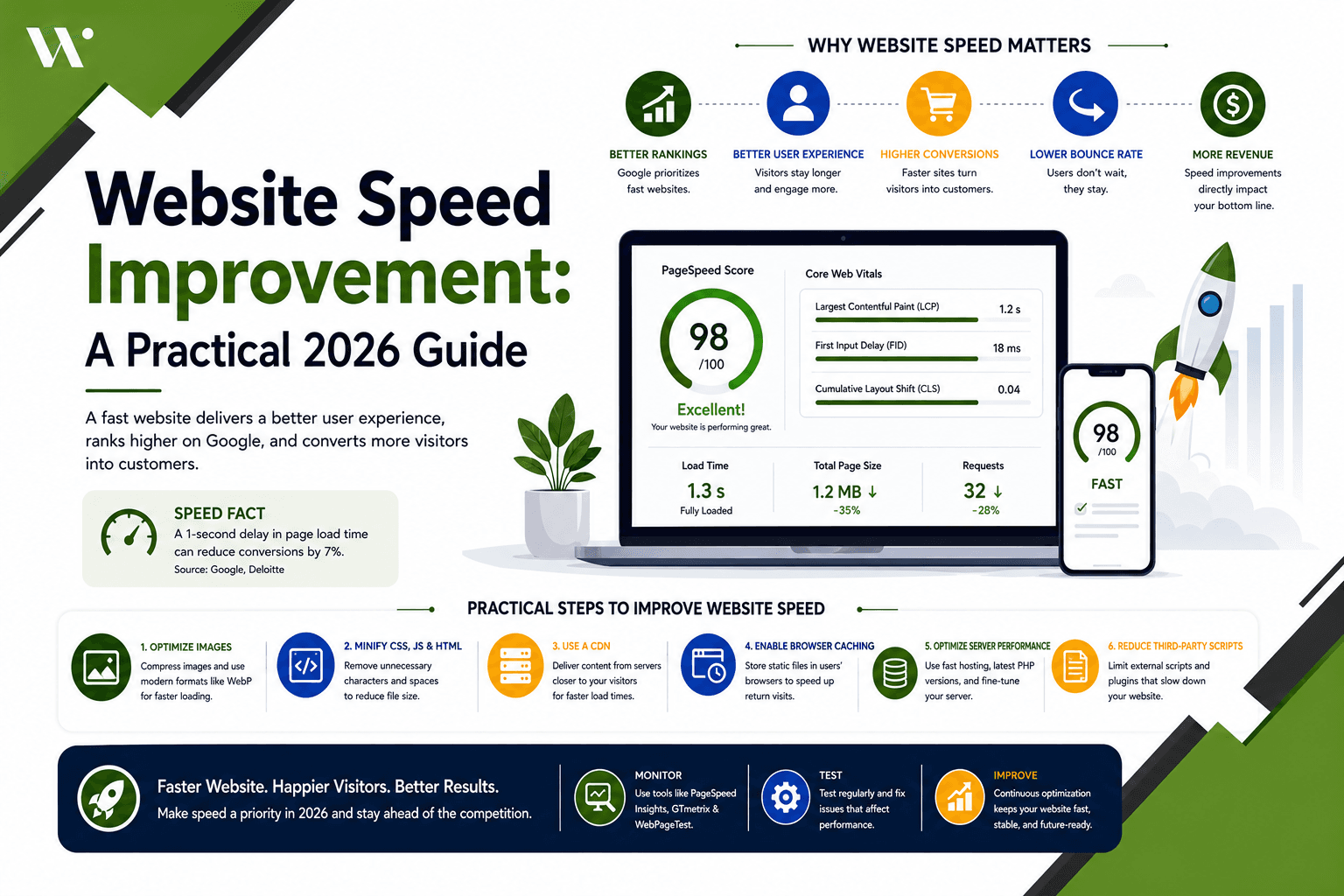
- Slow page loading speeds
- Non-mobile-friendly website design
- Misleading or clickbait page titles
- Irrelevant or low-quality content
- Complex or confusing website navigation
- Intrusive pop-ups and advertisements
Psychological barriers to engagement also play a critical role in bounce rates. Users who encounter unclear messaging, excessive technical jargon, or content that does not match their expectations are more likely to leave a site quickly.
The following table summarizes major causes of high bounce rates and their primary impact:
| Issue Area | Typical Cause | Main User Impact |
|---|---|---|
| Website Speed | Slow page load | Users abandon before viewing content |
| Mobile Experience | Poor smartphone layout | Frustration and rapid exits |
| Content Quality | Unclear or irrelevant messaging | Disengagement, quick departure |
| Navigation Structure | Confusing menus or links | Difficulty finding information |
| Advertising/Pop-ups | Excessive or disruptive elements | Increased annoyance, higher exits |
High bounce rates are often symptomatic of deeper user experience problems that extend beyond simple content issues.
Pro tip: Conduct regular user experience testing and utilize heat mapping tools to understand exactly where and why visitors might be leaving your website.
Bounce Rate versus Other Engagement Metrics
Bounce rate represents a single, narrow perspective of website performance that cannot capture the full complexity of user engagement. Surface-level engagement metrics often fall short of providing comprehensive insights into user behavior and website effectiveness.
Compared to more nuanced engagement metrics, bounce rate offers limited information about user interactions. While bounce rate simply measures single-page visits, more advanced metrics provide deeper understanding of user experience, including time on site, pages per session, conversion rates, and user journey analysis. These comprehensive metrics reveal not just whether a user leaves quickly, but how they interact with content, navigate through pages, and potentially convert.
Key differences between bounce rate and other engagement metrics include:
- Depth of user interaction analysis
- Contextual understanding of user intent
- Complexity of behavioral tracking
- Predictive value for business outcomes
- Granularity of user experience insights
Comprehensive engagement measurement goes beyond simple exit rates, incorporating behavioral, cognitive, and emotional components of user interaction. This multi-dimensional approach provides a more holistic view of website performance and user engagement.

Here is a comparison of bounce rate versus alternative engagement metrics:
| Metric Type | What It Measures | Value for Marketers | Typical Tools |
|---|---|---|---|
| Bounce Rate | % single-page visits | Quick insight into engagement | Google Analytics |
| Time on Page | Average viewing duration | Depth of interest in content | Adobe Analytics |
| Pages per Session | Average pages visited | Site navigation effectiveness | Matomo, Google |
| Conversion Rate | % goal completions | Tracks business objectives | HubSpot, Mixpanel |
Effective digital strategy requires looking beyond bounce rate to understand the full user experience.
Pro tip: Develop a multi-metric approach to analytics, combining bounce rate with other engagement indicators to gain a comprehensive understanding of website performance.
Effective Strategies to Reduce Bounce Rate
Reducing bounce rate requires a strategic approach that focuses on improving overall user experience and content relevance. User engagement interventions play a critical role in keeping visitors interested and navigating deeper into website content.
Designing an optimal website experience involves multiple interconnected strategies. This includes creating clear, intuitive navigation, ensuring fast page loading times, developing mobile-responsive designs, and producing high-quality, targeted content that immediately addresses user needs. Websites must quickly communicate value and provide a seamless, frictionless interaction that encourages further exploration.
Key strategies to reduce bounce rate include:
- Optimize page loading speed
- Create mobile-responsive designs
- Develop compelling, relevant content
- Improve website navigation clarity
- Use engaging visual elements
- Implement clear call-to-action buttons
- Minimize intrusive pop-ups
Academic resilience principles translate surprisingly well to digital experiences, suggesting that reducing user anxiety and building confidence can significantly improve engagement. This means creating interfaces that feel supportive, intuitive, and designed with the user’s psychological comfort in mind.
Reducing bounce rate is about creating an experience that feels natural, helpful, and effortless for users.
Pro tip: Continuously test and iterate your website design using analytics and user feedback to progressively reduce friction and improve user engagement.
Unlock the Power to Lower Your Bounce Rate and Boost Engagement
High bounce rates often signal challenges like slow loading pages, confusing navigation, or content that fails to connect with your visitors. These issues directly impact your website’s ability to engage users and convert traffic into leads. Understanding bounce rate as a crucial metric is the first step toward creating a seamless and captivating user experience.
At WebSpidersolutions, we specialize in transforming these challenges into opportunities for growth. Our comprehensive digital marketing services focus on website optimization, improving page speed, enhancing mobile responsiveness, and delivering compelling content tailored to your audience’s needs. Whether you need expert SEO strategies to increase organic traffic or creative content marketing solutions that keep visitors navigating deeper into your site, we have the tools and expertise to lower your bounce rate effectively.
Don’t let a high bounce rate hold your business back. Visit WebSpidersolutions today to see how our proven methods can help you capture leads, increase user engagement, and achieve long-term digital success.
Frequently Asked Questions
What is bounce rate?
Bounce rate is a percentage that indicates the number of visitors who leave a webpage without exploring further pages on the site or taking meaningful actions.
How is bounce rate calculated?
Bounce rate is calculated by dividing the number of single-page visits by the total number of site visits and then multiplying by 100 to get a percentage.
Why does bounce rate matter for my website?
Bounce rate matters because it reflects visitor engagement, content relevance, and user experience. A high bounce rate can indicate issues that need addressing to enhance site performance and conversions.
What are common causes of high bounce rates?
Common causes of high bounce rates include slow page loading speeds, poor mobile designs, irrelevant content, and confusing navigation structures that frustrate users.