







Over 80 percent of American B2B marketers say targeted social media drives their highest quality leads. For marketing directors at mid-sized SaaS companies, the pressure to deliver visible results has never been greater. Defining clear goals and precise audience segments is the foundation for campaigns that attract decision makers and boost brand awareness. Discover how proven strategies can transform random posts into targeted initiatives that win attention and accelerate leads.
Table of Contents
- Step 1: Define Goals And Audience Segments
- Step 2: Select Optimal Social Media Platforms
- Step 3: Create Targeted Content Strategies
- Step 4: Launch And Manage Campaigns Effectively
- Step 5: Measure Results And Optimize Performance
Quick Summary
| Key Takeaway | Explanation |
|---|---|
| 1. Clearly Define Goals and Segments | Establish concrete goals and audience segments to enhance lead generation and tailor marketing efforts effectively. |
| 2. Choose Appropriate Social Media Platforms | Identify and utilize platforms where your target audiences are most active to maximize engagement and reach. |
| 3. Develop Targeted Content Strategies | Create content that addresses specific needs of different audience segments to foster deeper connections and thought leadership. |
| 4. Launch and Manage Campaigns Strategically | Implement structured campaign management to ensure adaptive and responsive marketing efforts for better results. |
| 5. Measure and Optimize Performance Continuously | Regularly track and optimize performance metrics to transform insights into actionable strategies for growth. |
Step 1: Define Goals and Audience Segments
Successful B2B social media marketing starts with crystal clear goals and precisely defined audience segments. This step transforms random social media activity into strategic lead generation.
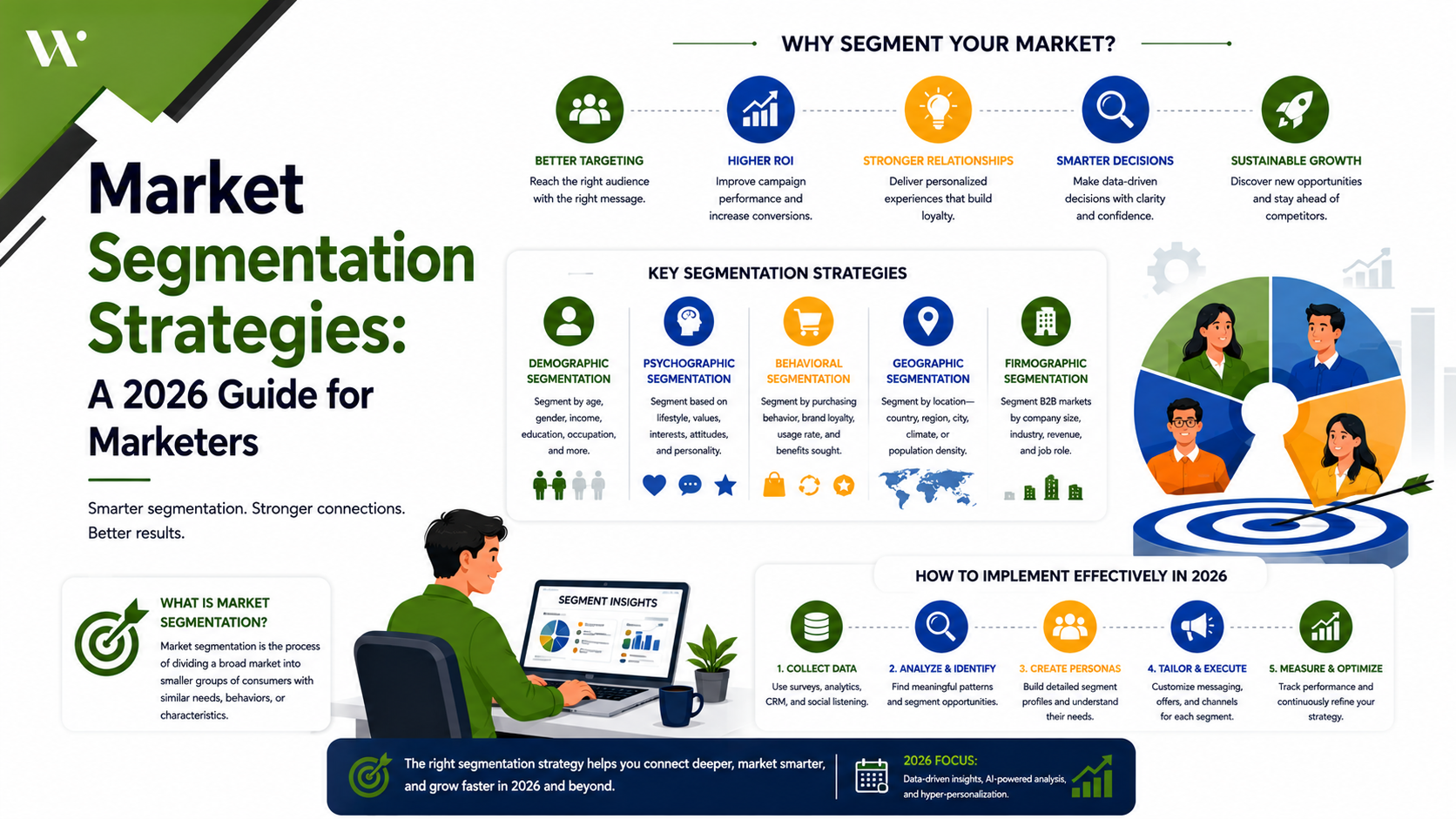
Begin by conducting a detailed analysis of your target market using the strategic STP framework. Break down your broader market into specific subgroups based on demographic, behavioral, and motivational characteristics. Think precision targeting: age, job role, industry vertical, company size, and specific professional interests become your strategic filters.
Next, map out specific goals for each audience segment. A marketing director at a software company might target IT managers differently than C-suite executives. Use customer data to understand each segment’s unique pain points, communication preferences, and decision making patterns. Your goal is crafting messaging that resonates deeply with each specific professional group.
Pro Tip: Create dynamic audience personas with granular details like job responsibilities, typical challenges, and preferred communication channels to supercharge your social media targeting strategy.
Here’s a summary of key audience segmentation factors for B2B social media marketing:
| Segmentation Factor | Example Criteria | Impact on Strategy |
|---|---|---|
| Demographic | Industry, company size, role | Tailors messaging for relevancy |
| Behavioral | Content engagement, platform use | Aligns posts with user behaviors |
| Motivational | Pain points, goals, interests | Addresses specific business needs |
Step 2: Select Optimal Social Media Platforms
Choosing the right social media platforms is crucial for B2B marketing success. Your goal is identifying channels where your target professional audiences are most actively engaged and responsive.
Start by analyzing platform demographics and social media influencer engagement trends. LinkedIn stands out as the premier professional networking platform perfect for B2B interactions. For technology and software companies, platforms like Twitter and Medium offer excellent opportunities to share thought leadership content. Consider your audience segments carefully technical professionals might prefer more information dense platforms while creative industries could engage better on visually oriented channels.
Evaluate each platform based on specific criteria: audience size, professional relevance, content format compatibility, and potential for targeted advertising. Prioritize platforms where your ideal customers spend professional time. Not every social media channel will deliver equal value some will provide significantly higher quality engagement for your specific industry and target market.

Pro Tip: Create a platform comparison matrix tracking audience demographics engagement rates and content performance metrics to make data driven social media selection decisions.
Below is a comparison of leading social media platforms for B2B marketing:
| Platform | Strengths | Ideal Audience | Content Types |
|---|---|---|---|
| Professional focus, targeting | Decision makers, executives | Articles, videos, whitepapers | |
| Real-time discussion, reach | Tech pros, thought leaders | Threads, quick updates | |
| Medium | In-depth industry content | Researchers, professionals | Long-form articles |
| Visual storytelling | Creative industries | Images, short videos |
Step 3: Create Targeted Content Strategies
Crafting a powerful B2B social media content strategy requires precision targeting and deep understanding of your professional audience. Your mission is developing content that speaks directly to specific decision makers and industry professionals.
Begin by developing a customer-centric social media approach that aligns with each audience segment’s unique challenges and interests. For technical professionals like software engineers, create in depth technical white papers and detailed case studies. For C suite executives, focus on high level strategic insights and industry trend analyses. Each content piece should demonstrate thought leadership and provide tangible value that addresses specific pain points in your target industries.
Structure your content strategy around multiple formats that cater to different learning preferences. Video tutorials for visual learners, detailed blog posts for analytical thinkers, infographics for quick information consumption, and long form articles for deep dive researchers. Always prioritize quality over quantity ensuring every piece of content serves a strategic purpose in your lead generation and brand positioning efforts.
Pro Tip: Develop a content matrix mapping specific content types to each audience segment with clear performance metrics to continuously refine and optimize your social media strategy.
Step 4: Launch and Manage Campaigns Effectively
Successfully launching and managing B2B social media campaigns requires strategic planning, precise execution, and continuous optimization. Your objective is creating campaigns that generate meaningful engagement and tangible business results.
Begin by implementing a structured campaign management process that aligns with your specific business objectives. Develop clear timelines, allocate appropriate budgets, and establish measurable key performance indicators for each campaign. Break down your campaign into distinct phases tracking audience response carefully. For technology companies this might mean monitoring metrics like click through rates engagement levels and lead quality. For professional services firms focus on measuring thought leadership impact and relationship building indicators.
Adopt an agile approach to campaign management allowing flexibility to pivot and adjust strategies based on real time performance data. Create multiple content variations to test different messaging approaches track their performance meticulously and rapidly integrate insights into future campaign iterations. Successful B2B social media campaigns are not static they are dynamic living strategies that evolve with audience feedback and changing market conditions.
Pro Tip: Develop a comprehensive tracking dashboard that aggregates performance metrics across multiple platforms enabling rapid strategic adjustments and data driven decision making.
Step 5: Measure Results and Optimize Performance
Successful B2B social media strategies demand rigorous performance tracking and continuous optimization. Your goal is transforming raw data into actionable insights that drive meaningful business growth.
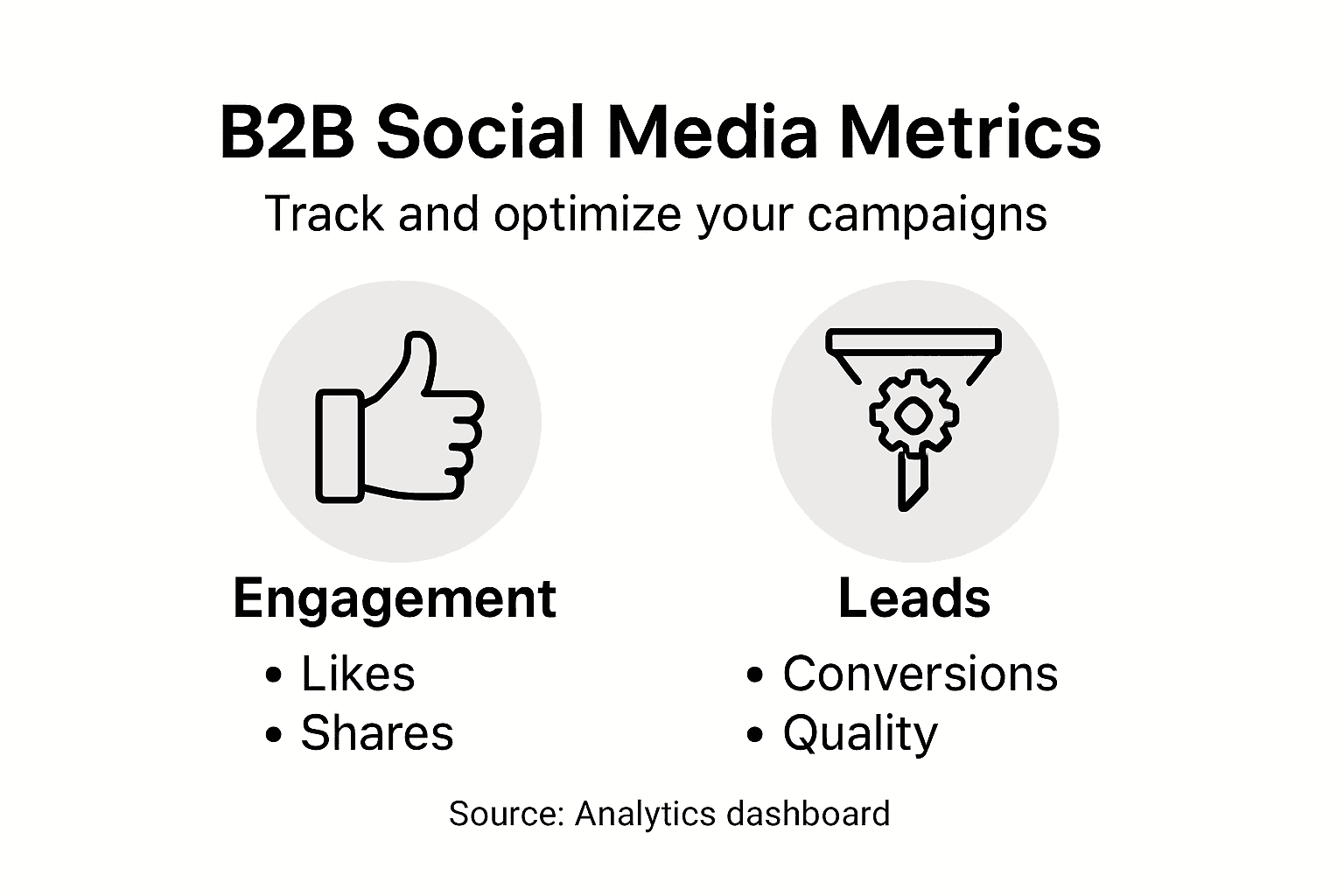
Integrate interdisciplinary performance measurement frameworks to understand your social media impact comprehensively. Focus on metrics beyond superficial engagement numbers tracking tangible business outcomes like lead quality conversion rates and revenue influence. For technology companies this means analyzing how social content translates into sales pipeline movement. For professional services firms measure thought leadership impact through metrics like download rates speaking engagement requests and strategic partnership opportunities.
Adopt a holistic approach to performance optimization. Use advanced analytics to segment audience interactions understand nuanced behavior patterns and refine your targeting strategy. Compare performance across different platforms content types and audience segments. Create benchmarks that allow you to make data driven decisions quickly adjusting campaign elements that underperform and scaling strategies that demonstrate exceptional results.
Pro Tip: Develop a centralized performance dashboard that integrates metrics from multiple platforms enabling real time strategic adjustments and comprehensive performance visualization.
Unlock Powerful B2B Social Media Marketing with Expert Support
Mastering social media for B2B leads and visibility requires clear audience targeting and platform selection but it can be overwhelming to manage alone. You want targeted content strategies that speak directly to decision makers and campaigns that adapt based on real-time results. If your goal is to move beyond guesswork and achieve measurable business growth through focused social media efforts Web Spider Solutions is your trusted partner.
Discover how our comprehensive B2B Marketing Archives services deliver tailored strategies across SEO paid advertising and content marketing to boost your brand’s online presence. We help you implement precision targeting build thought leadership and generate high-quality leads through data-driven campaigns. Don’t wait to transform your social channels into powerful growth engines. Reach out today at Web Spider Solutions and take the first step toward dominating your digital market with confidence.
Frequently Asked Questions
How can I define my target audience for B2B social media marketing?
To define your target audience, start by segmenting your market based on factors like demographic details, job roles, and industry-specific pain points. Create detailed audience personas, helping you tailor your messaging and content to connect effectively with professionals in those segments.
What social media platforms should I focus on for B2B marketing?
Focus on platforms that are popular with your target audience, like LinkedIn for professional networking and Twitter for real-time discussions. Evaluate each platform’s strengths and audience engagement to prioritize where to invest your marketing efforts.
What type of content should I create for B2B audiences?
Create content that addresses the specific challenges and interests of your professional audience. Consider using various formats like detailed case studies for technical professionals and insightful articles for C-suite executives, which can help demonstrate your expertise in relevant areas.
How can I measure the effectiveness of my B2B social media campaigns?
Measure campaign effectiveness by tracking key performance indicators like lead quality, engagement rates, and conversion rates. Implement a performance dashboard that consolidates data from multiple platforms, allowing you to make adjustments based on real-time insights.
What steps should I take to optimize my B2B social media strategy?
To optimize your strategy, continuously analyze performance metrics and audience interactions. Use this data to refine your targeting and content approaches, adjusting elements that underperform and scaling strategies that yield strong results.
Recommended