






More than half of American businesses report that their website is the top driver of new customer leads. As digital competition intensifies, a strong website design does more than catch the eye. It shapes credibility, user trust, and conversion success in a matter of seconds. Understanding the essential elements behind effective web design can help any American business transform online visitors into loyal customers by making every click count.
Table of Contents
- Website Design Defined: Core Concepts And Goals
- Types Of Website Design For Businesses
- Key Elements Shaping User Experience
- Website Design Costs And Investment Factors
- Common Mistakes And Conversion Optimization Tips
Key Takeaways
| Point | Details |
|---|---|
| Importance of Website Design | Website design is a strategic investment that goes beyond aesthetics, focusing on effective communication and engagement with target audiences. |
| Types of Website Designs | Businesses should choose from various types of website designs—such as static, dynamic, e-commerce, and responsive—to meet their specific needs. |
| User Experience Elements | Key user experience elements include visual hierarchy, navigation clarity, and interactive responsiveness, all of which influence user engagement and satisfaction. |
| Conversion Optimization Strategies | To improve conversion rates, businesses must avoid common design mistakes and adopt data-driven approaches, testing and refining their platforms continuously. |
Website Design Defined: Core Concepts And Goals
Website design represents a strategic approach to creating digital experiences that transform online interactions into meaningful business outcomes. At its core, website design goes far beyond aesthetic appeal, functioning as a critical communication channel between businesses and their target audiences. Modern web design integrates visual aesthetics, user experience principles, and technological functionality to craft compelling digital environments.
Professional web design follows structured methodologies that systematically approach digital interface creation. The WISDOM method exemplifies this approach by guiding designers through a process that emphasizes reusing existing design solutions efficiently. This methodology ensures designers can create websites that are not just visually engaging but strategically optimized for business goals.
Key objectives of effective website design include:
- Creating intuitive navigation structures
- Ensuring responsive performance across devices
- Communicating brand identity and core messaging
- Optimizing user engagement and conversion pathways
- Implementing design rationale that documents decision-making processes
Successful website design requires a holistic understanding of user behavior, technological capabilities, and business objectives. By integrating visual storytelling, technical functionality, and strategic user experience principles, web designers create digital platforms that not only attract visitors but transform them into engaged customers.
Types Of Website Design For Businesses
Businesses today require specialized website designs that align precisely with their unique operational needs and strategic objectives. Web applications are categorized into distinct types, each serving different business requirements and targeting specific organizational goals. Understanding these design types allows companies to select the most appropriate digital platform for their specific communication and transactional needs.
The primary website design categories for businesses include:
- Static Websites: Simple, informational platforms ideal for small businesses presenting basic company information
- Dynamic Websites: Interactive sites with regularly updated content, suitable for blogs, news organizations, and content-driven enterprises
- E-commerce Websites: Online stores enabling direct product sales and comprehensive shopping experiences
- Portal Websites: Comprehensive platforms providing multiple services and information access points
- Responsive Websites: Designs that adapt seamlessly across different device screens, ensuring consistent user experience
Responsive web design has become particularly critical in modern digital strategies. This approach ensures websites render effectively across smartphones, tablets, desktops, and other digital devices, providing a unified and optimized user experience. By implementing responsive design principles, businesses can reach wider audiences while maintaining professional, accessible digital interfaces.

Selecting the appropriate website design requires careful consideration of business goals, target audience preferences, and technological capabilities. Successful digital platforms integrate aesthetic appeal, functional performance, and strategic communication to transform online interactions into meaningful business opportunities. Companies must evaluate their specific needs, customer expectations, and technological infrastructure to develop a website design that effectively represents their brand and supports their growth objectives.
Key Elements Shaping User Experience
User experience represents a critical intersection of design, psychology, and technological functionality that determines how visitors interact with digital platforms. Website design significantly influences first impressions and cognitive processing, making every visual and interactive element a strategic opportunity to engage and retain audience attention.
The core elements shaping exceptional user experience include:
- Visual Hierarchy: Guiding user attention through strategic layout and design
- Navigation Clarity: Creating intuitive pathways for information discovery
- Content Readability: Ensuring text and multimedia elements are easily comprehensible
- Interactive Responsiveness: Providing immediate, predictable feedback to user actions
- Aesthetic Consistency: Maintaining a cohesive visual language across all pages
Website design quality directly impacts user behavior and technology acceptance, transforming digital interfaces from mere information displays into engaging interactive experiences. Successful designs anticipate user needs, reduce cognitive load, and create seamless navigation pathways that feel natural and intuitive.
Understanding user psychology becomes paramount in crafting compelling digital experiences. Businesses must move beyond aesthetic considerations to create websites that not only look appealing but also function as effective communication tools. This requires continuous testing, user feedback integration, and a commitment to evolving design strategies that align with changing user expectations and technological capabilities.
Website Design Costs And Investment Factors
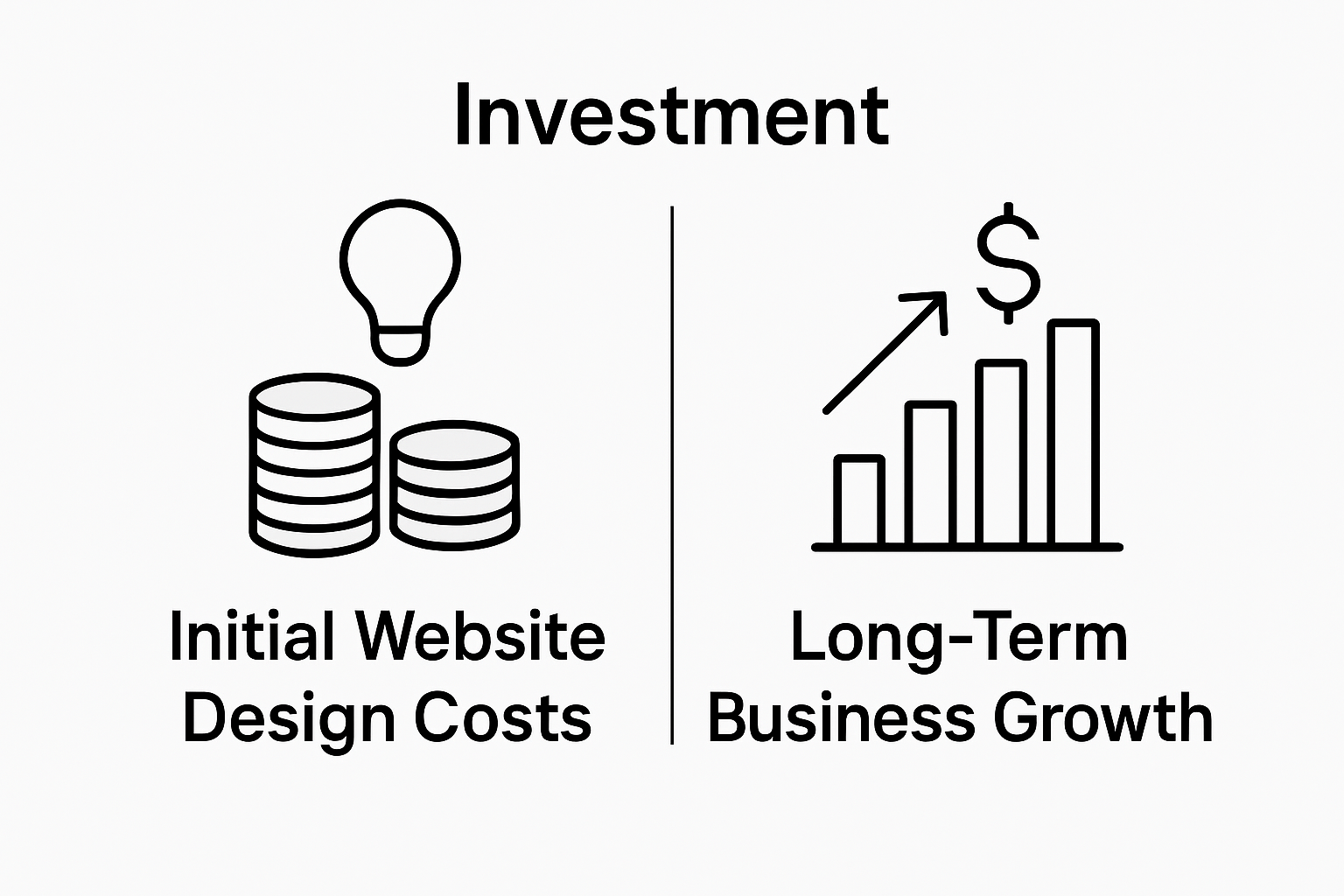
Website design represents a significant strategic investment for businesses, with costs varying widely based on complexity, functionality, and specific organizational requirements. E-commerce design strategies consider multiple factors like layout, aesthetics, and responsiveness that directly impact user satisfaction and potential return on investment.
Key investment factors businesses must consider include:
- Development Complexity: Simple informational sites versus advanced interactive platforms
- Custom Design Requirements: Unique branding needs and specialized functionality
- Technical Integration: Connecting with existing business systems and databases
- Scalability Potential: Ability to expand and adapt website capabilities over time
- Maintenance and Update Costs: Ongoing technical support and content management
The WISDdesign rationaleOM method offers strategies for optimizing website design processes, potentially reducing development time and associated costs. Smart businesses approach website design as a long-term investment, recognizing that a well-crafted digital platform can generate significant returns through improved customer engagement, brand perception, and operational efficiency.
Navigating website design costs requires a comprehensive approach that balances immediate budget constraints with long-term strategic objectives. Businesses should conduct thorough research, request detailed proposals, and evaluate potential design partners based on their ability to deliver value-driven solutions that align with specific organizational goals and target audience expectations.
Common Mistakes And Conversion Optimization Tips
Optimizing website performance requires a strategic approach that addresses both design elements and user experience barriers. Multivariate landing page optimization involves testing different webpage combinations to identify the most effective design strategies for improving conversion rates and user engagement.
Common website design mistakes that significantly impact conversions include:
- Cluttered Page Layouts: Overwhelming users with excessive information
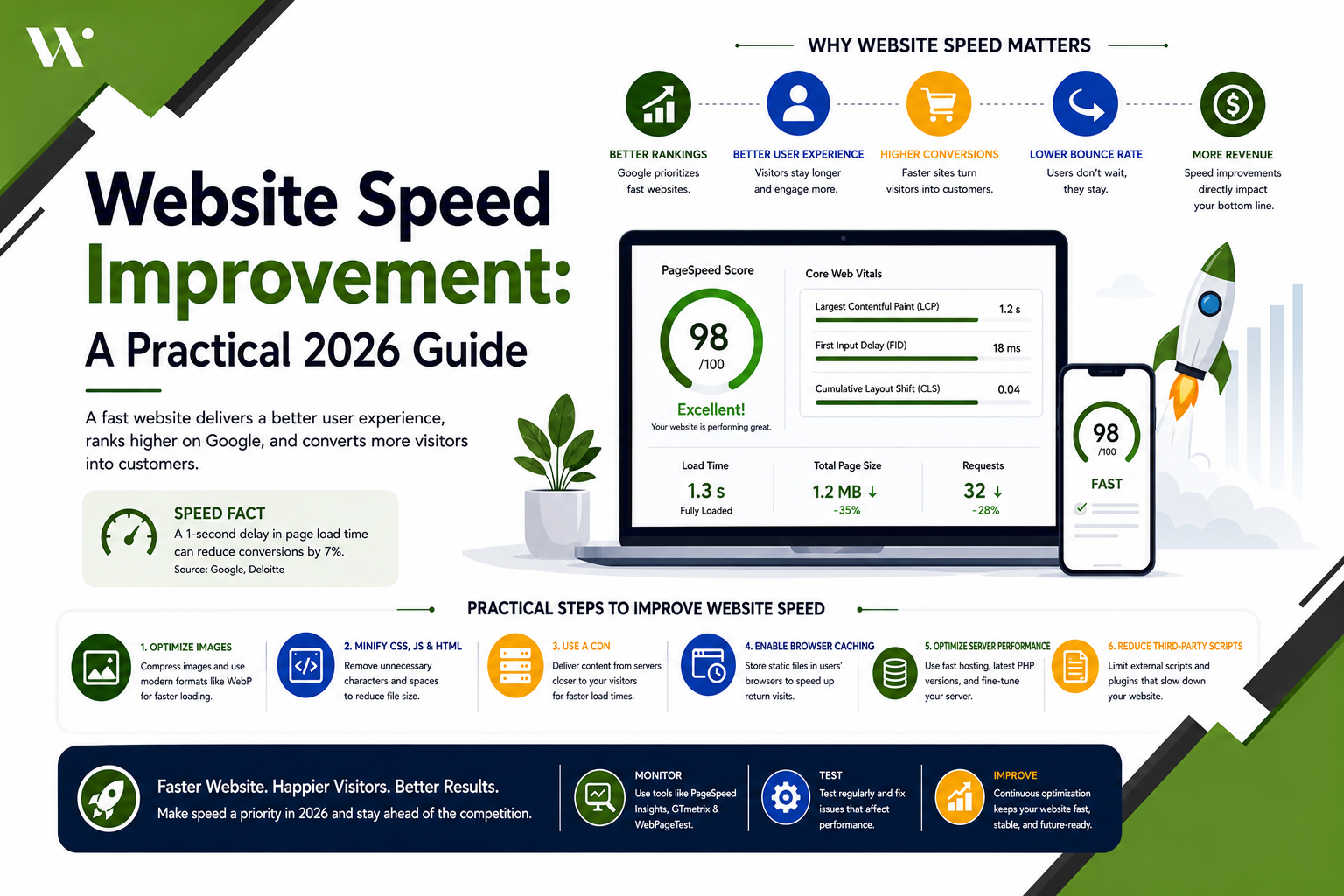
- Slow Loading Times: Creating frustration and increasing bounce rates
- Unclear Call-to-Action Buttons: Confusing navigation paths
- Non-Responsive Design: Failing to accommodate multiple device types
- Weak Value Proposition: Failing to communicate unique business benefits
The Stanford Web Credibility Project reveals critical insights into designing trustworthy digital experiences, highlighting the importance of visual design in establishing user confidence. Successful conversion optimization goes beyond aesthetic considerations, requiring a deep understanding of user psychology, technological performance, and strategic communication.
Businesses must adopt a data-driven approach to website design, continuously testing and refining their digital platforms. This involves implementing robust analytics, conducting user experience research, and remaining agile in response to changing user expectations. By prioritizing clarity, performance, and user-centric design principles, companies can transform their websites from mere digital brochures into powerful conversion engines that drive meaningful business growth.
Unlock Your Website’s True Potential for Business Growth
If your business is struggling with creating engaging digital experiences that convert visitors into loyal customers or unsure how to balance visual design with strategic functionality, you are not alone. This article highlights critical challenges such as navigation clarity, responsive design, and conversion optimization that many companies face when trying to drive impactful growth online. At Web Spider Solutions, we understand these pain points and specialize in crafting tailored website design and digital marketing strategies that align perfectly with your brand goals.
Leverage our expertise to transform your website into a powerful conversion engine by integrating the latest industry best practices mentioned in this article. Explore how we combine user experience insights, SEO, and innovative technologies by visiting our Stories Archives and discover real-world case studies. Ready to elevate your online presence today Visit Web Spider Solutions to schedule a consultation and get a comprehensive plan tailored for your business success.
Frequently Asked Questions
What are the core components of effective website design?
Effective website design includes intuitive navigation, responsive performance across devices, brand identity communication, user engagement optimization, and documented design rationale.
How do different types of website designs impact business goals?
Different website designs serve various purposes: static websites provide basic information, dynamic websites deliver interactive content, e-commerce sites facilitate online sales, portals offer multiple services, and responsive designs ensure accessibility across devices.
What are common mistakes to avoid in website design for better conversions?
Common mistakes include cluttered layouts, slow loading times, unclear call-to-action buttons, non-responsive designs, and weak value propositions. Addressing these can significantly improve user engagement and conversion rates.
How can businesses optimize their websites for higher user engagement?
Businesses can optimize websites by implementing clear navigation, enhancing visual hierarchy, ensuring fast loading times, maintaining aesthetic consistency, and using A/B testing to refine designs based on user feedback.