






Most American companies now rely on data-driven marketing to make smarter business choices. With digital competition at an all-time high, understanding what drives consumer behavior can mean the difference between growth and stagnation. By using proven data analysis and real-time insights, brands can fine-tune campaigns and outpace rivals. In fact, studies show that data-driven strategies can boost marketing ROI by over 20 percent, illustrating the clear advantage of a thoughtful, evidence-based approach.
Table of Contents
- Defining Data-Driven Marketing Decisions
- Types of Marketing Data and Their Uses
- Analyzing Data for Strategic Advantage
- Real-World Applications in Digital Campaigns
- Risks, Pitfalls, and How to Avoid Them
Key Takeaways
| Point | Details |
|---|---|
| Data-Driven Marketing | Businesses increasingly rely on empirical insights and consumer data to optimize marketing strategies and enhance performance. |
| Types of Marketing Data | Key data types like demographic, behavioral, transactional, and psychographic information enable precise audience targeting and campaign personalization. |
| Strategic Data Analysis | Advanced analytical techniques help businesses extract meaningful insights, fostering data-centric decision making and market forecasting. |
| Mitigating Risks | Organizations must establish robust frameworks to address data privacy concerns and algorithmic biases while ensuring effective data governance. |
Defining Data-Driven Marketing Decisions
Data-driven marketing decisions represent a strategic approach where businesses leverage empirical insights, statistical analysis, and consumer data to guide marketing strategies and optimize performance. Unlike traditional marketing methods that rely on intuition or generalized assumptions, data-driven marketing transforms raw information into actionable intelligence that directly influences business outcomes.
At its core, this approach involves collecting, analyzing, and interpreting complex datasets to understand consumer behavior, preferences, and engagement patterns. Digital marketing analytics enable marketers to move beyond guesswork, providing precision tools that reveal nuanced consumer interactions across multiple touchpoints. By systematically examining metrics like conversion rates, customer acquisition costs, and engagement levels, businesses can craft highly targeted campaigns that resonate with specific audience segments.
The evolution of data-driven marketing has been profound. Academic research highlights that modern organizations are increasingly recognizing data as a critical strategic asset. According to scholarly investigations, successful implementation requires not just technological infrastructure, but also a cultural shift towards data-centric decision making. Key components include:
- Comprehensive data collection across digital platforms
- Advanced analytical tools and machine learning algorithms
- Cross-functional collaboration between marketing, technology, and analytics teams
- Continuous performance measurement and iterative strategy refinement
Ultimately, data-driven marketing decisions represent more than a technical approach they signify a fundamental transformation in how businesses understand, engage, and deliver value to their customers.
Types of Marketing Data and Their Uses
Marketing data represents a complex ecosystem of information that enables businesses to understand, predict, and influence consumer behavior. Marketing data types can be broadly categorized into several critical segments that provide comprehensive insights into customer interactions, preferences, and potential market opportunities. Ecommerce analytics play a crucial role in transforming raw information into strategic marketing intelligence.

The primary categories of marketing data include demographic, behavioral, transactional, and psychographic information. Demographic data encompasses basic consumer characteristics like age, gender, income, and geographic location. Behavioral data tracks customer actions, including website interactions, purchase history, and engagement patterns across digital platforms. Transactional data provides detailed insights into purchasing behavior, including frequency, volume, and product preferences. Psychographic data delves deeper, exploring consumer attitudes, interests, lifestyle choices, and motivational factors that drive purchasing decisions.
Research highlights the critical importance of integrated data approaches. Modern marketing strategies leverage multiple data types to create nuanced customer profiles. Key applications of marketing data include:
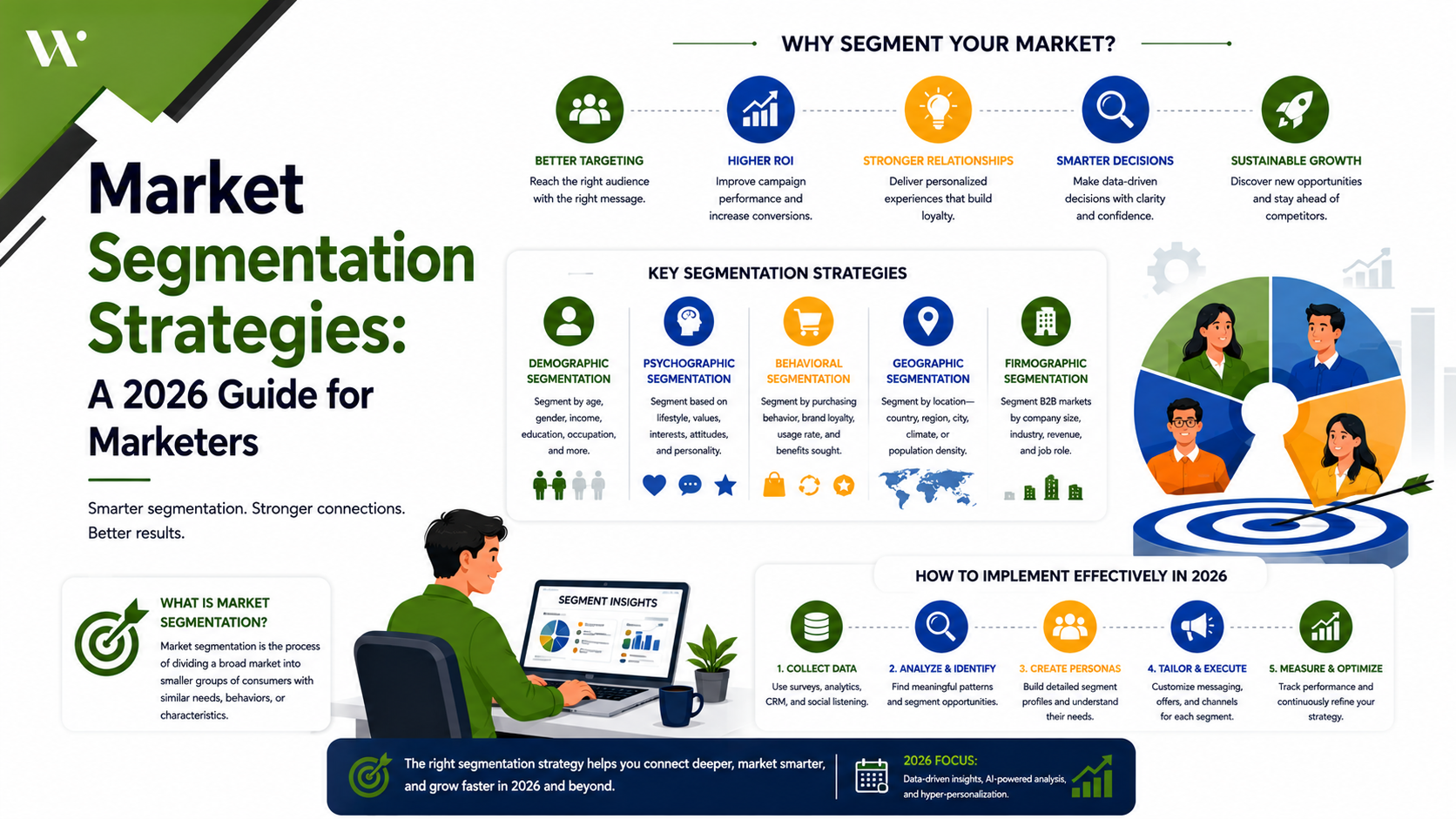
- Precise audience segmentation
- Personalized marketing campaign development
- Predictive customer behavior modeling
- Real-time marketing optimization
- Customer journey mapping
- Targeted advertising strategies
The true power of marketing data lies not just in collection, but in sophisticated analysis and strategic application. Businesses that successfully integrate diverse data sources can create more meaningful customer experiences, optimize marketing spend, and drive sustainable growth in an increasingly competitive digital landscape.
Analyzing Data for Strategic Advantage
Strategic data analysis transforms raw information into powerful marketing insights, enabling businesses to make precise, targeted decisions. Data analytics goes beyond simple number crunching, providing a sophisticated lens through which companies can understand complex market dynamics, consumer behaviors, and emerging opportunities. Understanding website analytics serves as a critical foundation for developing comprehensive marketing strategies.
Advanced analytical approaches now leverage cutting-edge technologies to extract deeper insights. Modern data analysis techniques incorporate artificial intelligence and machine learning algorithms that can process vast amounts of information rapidly, identifying subtle patterns and predictive trends that human analysts might overlook. These sophisticated methods enable businesses to develop nuanced strategies that anticipate market shifts, customer preferences, and potential competitive challenges.
Key strategic data analysis techniques include:
- Predictive modeling to forecast market trends
- Customer segmentation using advanced clustering algorithms
- Real-time performance tracking
- Sentiment analysis across digital platforms
- Competitive intelligence gathering
- Cross-channel data integration
The ultimate goal of strategic data analysis is to transform complex information into actionable intelligence. By implementing robust analytical frameworks, businesses can create more targeted marketing approaches, optimize resource allocation, and develop more responsive, customer-centric strategies that drive sustainable growth in an increasingly complex digital marketplace.
Real-World Applications in Digital Campaigns
Data-driven digital campaigns have revolutionized how businesses approach marketing, transforming traditional strategies into precision-targeted initiatives that deliver measurable results. Digital campaign optimization requires a sophisticated blend of analytical insights, creative storytelling, and strategic audience targeting. How to manage digital campaigns has become a critical skill for modern marketing professionals seeking to maximize return on investment.
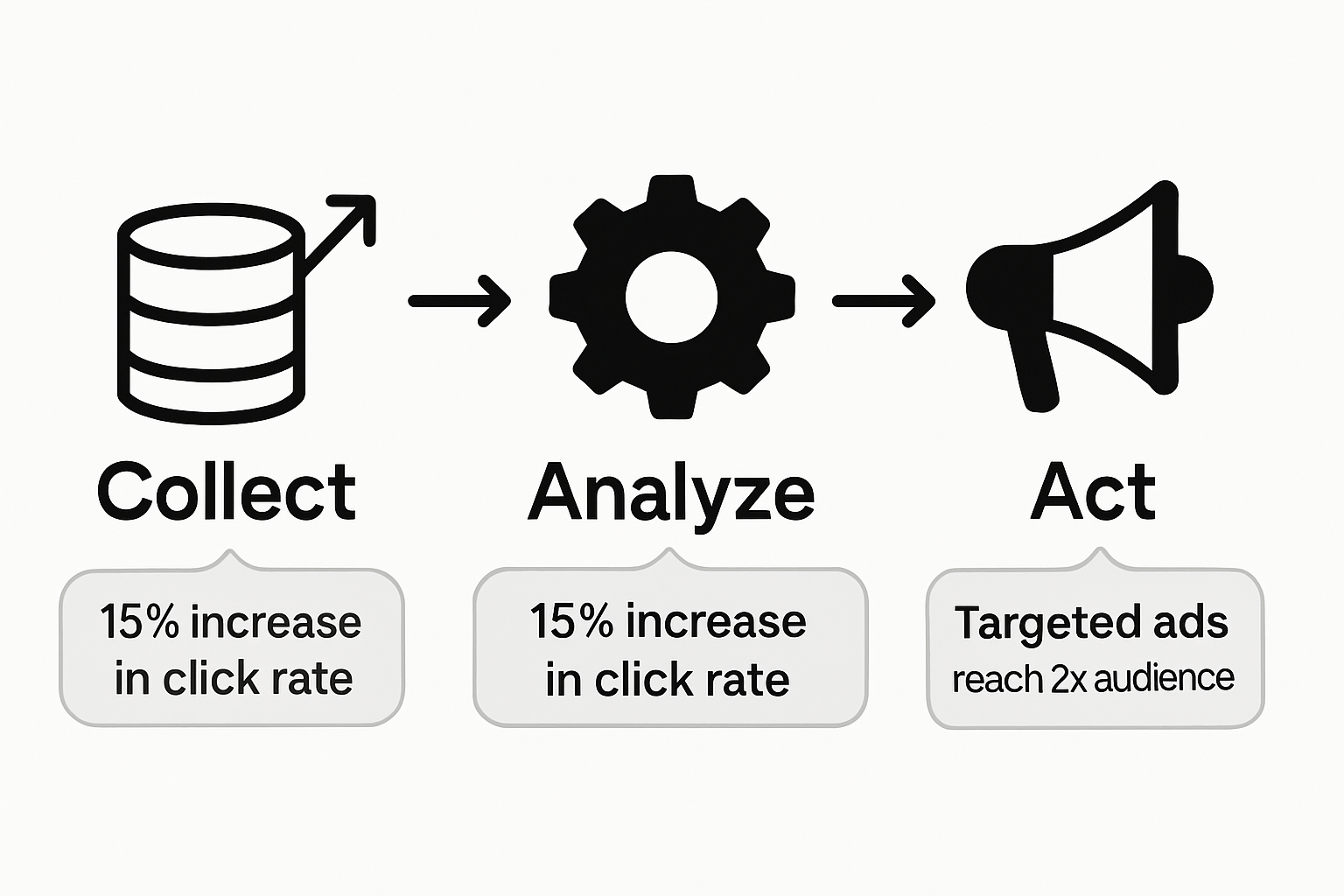
Successful digital campaigns leverage advanced data analysis techniques to create highly personalized marketing experiences. Machine learning algorithms enable businesses to segment audiences with unprecedented granularity, identifying nuanced consumer preferences and behavioral patterns that traditional marketing methods would overlook. This approach allows for real-time campaign adjustments, ensuring marketing efforts remain responsive to dynamic market conditions and emerging consumer trends.
Key real-world applications of data-driven digital campaigns include:
- Hyper-targeted social media advertising
- Personalized email marketing sequences
- Dynamic content adaptation
- Predictive customer journey mapping
- Automated audience segmentation
- Precision retargeting strategies
The most effective digital campaigns transform raw data into compelling narratives that resonate with specific audience segments. By combining advanced analytics with creative storytelling, businesses can develop marketing initiatives that not only capture attention but also drive meaningful engagement and conversion, ultimately translating data insights into tangible business growth.
Risks, Pitfalls, and How to Avoid Them
Data-driven marketing strategies, while powerful, come with significant challenges that can undermine their effectiveness if not carefully managed. Marketing data risks encompass a complex landscape of technological, ethical, and operational obstacles that require strategic navigation. Boost digital marketing ROI demands a proactive approach to identifying and mitigating potential pitfalls before they compromise campaign performance.
The primary risks in data-driven marketing include data privacy concerns, algorithmic bias, integration complexities, and potential misinterpretation of analytical insights. Organizations must develop robust frameworks that prioritize data protection, ensure algorithmic fairness, and maintain rigorous standards for data collection, analysis, and application. Sophisticated machine learning models can inadvertently perpetuate existing biases or create echo chambers that limit marketing effectiveness, making continuous monitoring and refinement critical.
Key strategies for avoiding common data-driven marketing pitfalls include:
- Implementing comprehensive data governance policies
- Conducting regular algorithmic bias audits
- Investing in continuous team training and skills development
- Maintaining transparent data collection practices
- Developing cross-functional collaboration between marketing and technology teams
- Establishing clear ethical guidelines for data usage
Successful organizations recognize that managing data-driven marketing risks is an ongoing process requiring constant vigilance, adaptability, and a commitment to ethical data practices. By approaching data with a holistic, strategic mindset, businesses can harness the transformative power of analytical insights while maintaining the trust and confidence of their target audiences.
Unlock Your Marketing Potential with Data-Driven Strategies
Businesses today face the challenge of making precise, informed marketing decisions that truly boost ROI. This article highlights the importance of leveraging data-driven marketing insights to overcome guesswork and target audiences with unmatched accuracy. If you struggle with understanding complex consumer behavior or optimizing your digital campaigns through real-time data analysis, Web Spider Solutions can help you transform raw data into clear, actionable strategies.
Our comprehensive services cover everything from advanced paid advertising techniques to exploiting cutting-edge Artificial Intelligence Archives – Web Spider Solutions capabilities. Whether it is creating hyper-targeted campaigns or refining user experience through technical SEO, we tailor solutions that deliver measurable business growth. Don’t wait for market shifts to leave you behind. Visit Web Spider Solutions and explore how expert data analytics combined with creative marketing can elevate your brand visibility and ROI.
Ready to harness the strategic advantage of data-driven marketing? Discover success stories and proven tactics in our Stories Archives – Web Spider Solutions and start your journey toward smarter, more effective campaigns today.
Frequently Asked Questions
What is data-driven marketing?
Data-driven marketing involves using empirical insights, statistical analysis, and consumer data to guide marketing strategies and improve performance, moving beyond intuition-based approaches.
How can businesses leverage marketing data effectively?
Businesses can leverage marketing data by collecting comprehensive datasets, utilizing advanced analytical tools, and creating nuanced audience segments to develop targeted campaigns.
What are the key components of strategic data analysis in marketing?
Key components include predictive modeling for forecasting trends, customer segmentation using advanced algorithms, real-time tracking of performance, and sentiment analysis across various digital platforms.
What risks are involved in implementing data-driven marketing strategies?
Risks include data privacy concerns, algorithmic bias, integration complexities, and the misinterpretation of analytics. Organizations must establish robust governance policies and conduct regular audits to manage these risks effectively.
Recommended